
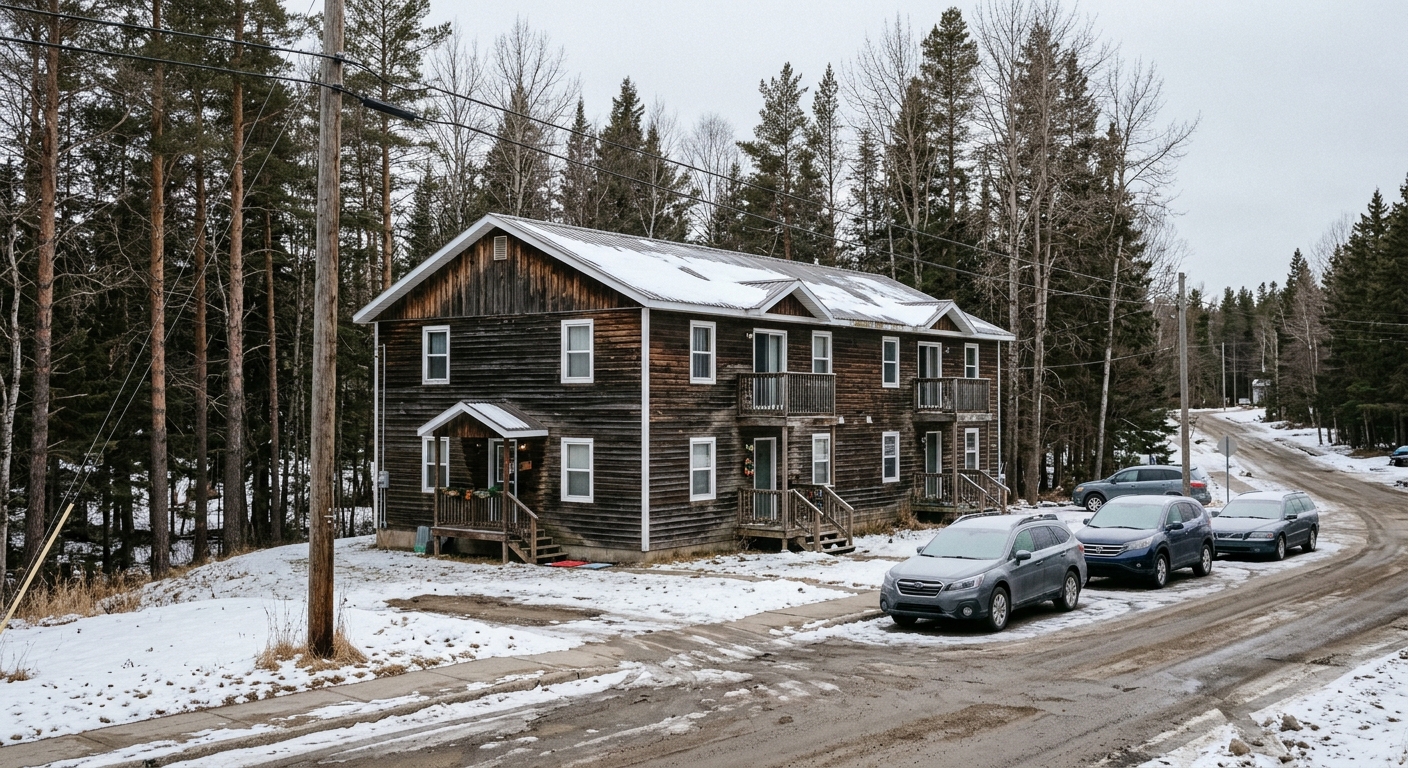
AI-generated illustration; not a photograph of the reported event.
- calendar_today October 30, 2026
Governing Party Passes Controversial Housing Reforms
The Yukon government’s decision to end rent caps and reintroduce no-cause evictions is generating strong reactions from residents and stakeholders across the territory. The changes are part of amendments to the Residential Tenancies Act passed by Yukon Party MLAs on Tuesday, with opposition members voting against them.
Residents and Landlords Voice Concerns About Affordable Housing
Annie Pellicano, who owns a duplex in Whitehorse, expressed dismay at the impending changes. “My thoughts going out obviously to all the tenants that are going to be affected negatively,” she stated. Pellicano emphasized the importance of affordable housing as a basic right and worried that the move could worsen access to housing for many Yukoners.
She also questioned the ethics of politicians who are landlords supporting the amendments, suggesting their involvement could represent a conflict of interest under the territorial commissioner’s guidelines.
Opposition Seeks Transparency and Evidence
Yukon NDP Leader Kate White voiced frustration about the legislative process, noting her caucus was unable to obtain supporting data from Community Services Minister Cory Bellmore, who sponsored the bill. “We actually never got answers,” White said, criticizing what she described as an ideological—rather than evidence-based—approach to housing policy.
According to White, the department under Bellmore’s purview cited cabinet confidence in not sharing certain information, including statistics on how many tenants live in the territory. The department did offer a general summary of rent control impacts, acknowledging that research from other jurisdictions has yielded mixed results and debate continues over whether rent caps increase affordability.
Premier and Landlord Association Back Market-Based Approach
Premier Currie Dixon expressed longstanding opposition to rent caps, which had been introduced by the previous Liberal government through a deal with the Yukon NDP. Citing his background in economics, Dixon stated, “The market will be less regulated and I believe that less regulation is a good thing. That’s the system that existed in this territory before 2021 and it has worked.”
Dixon acknowledged that immediate, large-scale growth in housing supply was unlikely but maintained that a market-based approach would eventually attract new investment and contribute to a healthier yukon rental market over time.
Lars Hartling, president of the Yukon Residential Landlord Association, estimated that more than 200 units have been pulled from the market since 2021, attributing this to previous regulations. He agreed that the latest government amendments were a crucial step toward restoring balance, describing the approach as a “holistic view” of rental regulations.
Next Steps and Implementation Timeline
The amendments are not yet in force; they still require assent from the Yukon Commissioner. If approved, the changes to the Residential Tenancies Act will take effect on December 1.
About the Author
Dana Hatherly is a CBC Yukon reporter and previously worked for the Yukon News from 2022 to 2026.
Source: cbc.ca.


