
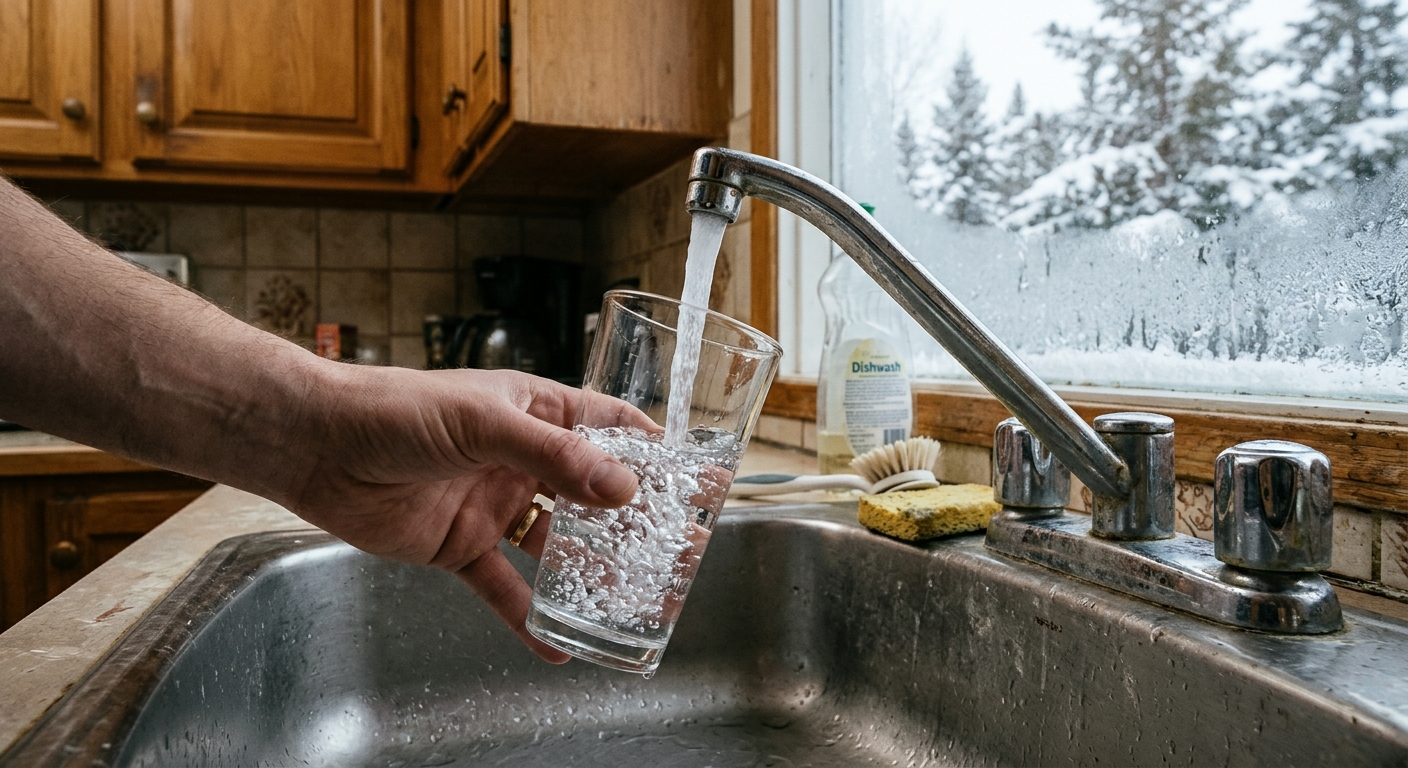
AI-generated illustration; not a photograph of the reported event.
- calendar_today October 21, 2026
Yukon Housing Corporation Responds to Elevated Lead Levels
The Yukon Housing Corporation (YHC) has announced plans to conduct additional testing for lead in drinking water across public housing units in Whitehorse. This initiative follows findings from 2025 testing, which revealed elevated lead levels in several units. The new round of testing is scheduled for the winter and spring seasons.
Previous Testing Revealed Elevated Lead
In 2025, nearly 200 public housing units in Whitehorse underwent lead testing. Of these, 22 units showed lead levels above Health Canada guidelines, prompting further action from the territory and YHC. The results raised concerns over water contamination and the safety of residents in these properties.
Further Analysis Narrowed Affected Units
Additional testing of the 22 units brought more clarity to the situation. According to Scott Kent, the minister responsible for YHC, only six of these units had lead levels higher than what Health Canada considers acceptable. Five of these units were occupied at the time, while the sixth was vacant. Kent also noted that no children were residing in the affected households, reducing the immediate risk of lead exposure for vulnerable populations.
Identifying Causes of Contamination
YHC attributes the elevated lead levels primarily to stagnant water in the plumbing systems. Stagnant water can allow lead, especially from older plumbing solder containing lead, to dissolve into the water supply after periods of disuse. This issue is particularly relevant for vacant units where water is not regularly used or flushed. The corporation is prioritizing the flushing of water in vacant units to reduce risks. Occupied units are considered at lower risk due to regular usage keeping water fresh.
Focus on Older Residential Buildings
The upcoming testing will target older residential buildings, with particular attention to those constructed before 1990. Buildings from this era are more likely to have plumbing soldered with lead-based materials, in line with past construction practices. The aim is to ensure compliance with health standards and reduce the risk of lead exposure for current and future residents.
Government Communication and Next Steps
Scott Kent outlined these efforts in a letter responding to questions from Lane Tredger, the Official Opposition housing critic. The correspondence followed public and legislative inquiries about the initial lead testing results and government action. Moving forward, YHC will continue monitoring and testing selected Whitehorse units, while also collaborating with public health authorities to address any findings above Health Canada guidelines.
Source: cbc.ca.


