- calendar_today September 1, 2026
In Toronto Metro, used booksellers are grappling with a surge in unusual bulk book orders, fueling growing concerns over the role of ai book scanning in the disappearance and destruction of physical books. Industry insiders warn the trend, linked to artificial intelligence companies harvesting printed materials for ai training data, could undermine both cultural preservation and the future of independent bookshops in the region.
Suspicious Patterns in Bulk Orders Raise Red Flags
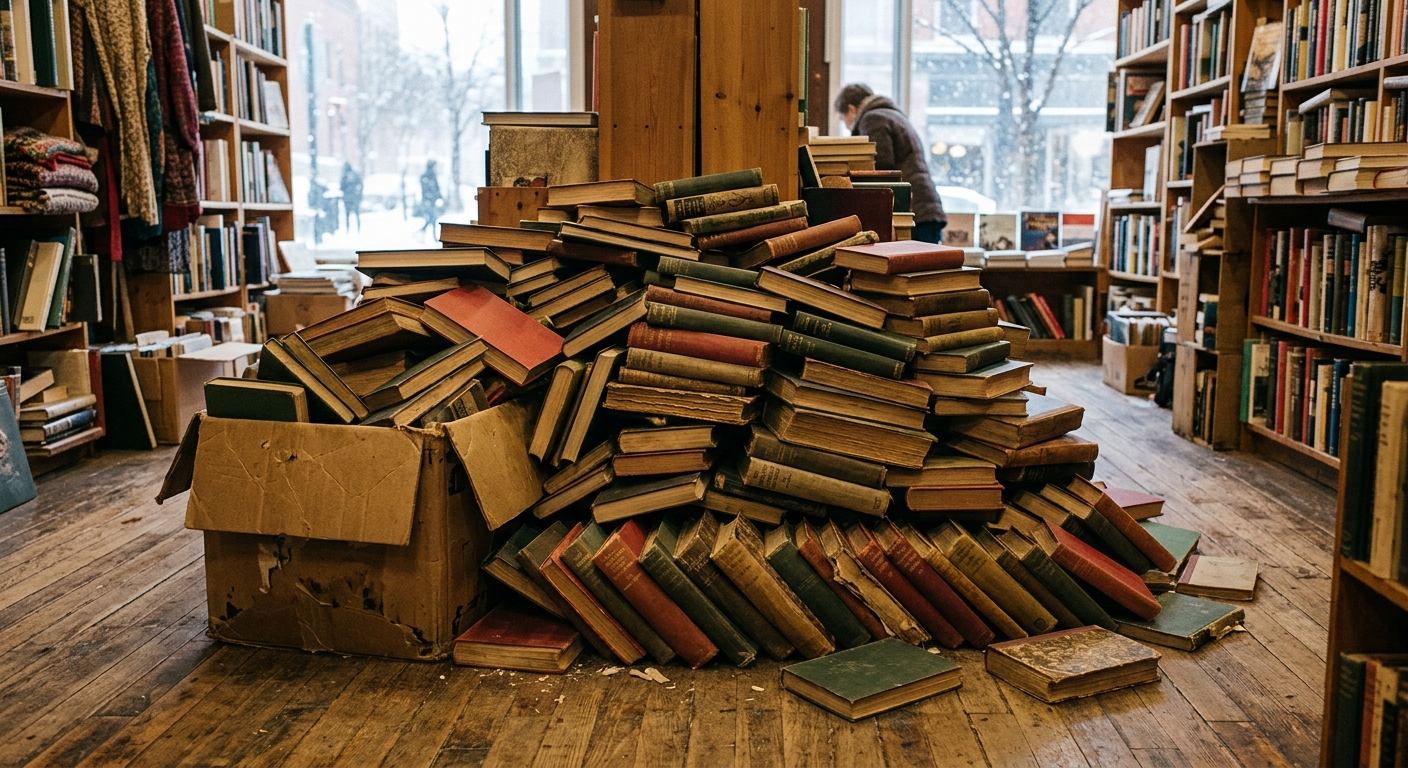
Local used booksellers in both Toronto and Vancouver have recently reported a spike in requests for obscure or outdated academic and educational titles—books that often remained unsold for years. Unlike traditional collectors or educators, these bulk buyers typically offer no explanation for their acquisitions and frequently target titles with little resale value. Such patterns highlight the growing phenomenon of bulk book orders driven by non-traditional uses, as sellers observe orders that seem designed to feed algorithmic needs rather than readers.
Anthropic Lawsuit Shines Light on the Issue
The current wave of suspicion intensified after the revelation of a U.S. anthropic lawsuit involving Anthropic, an AI company that purchased physical books, severed their spines, and conducted book scanning to supply its language model, Claude. The legal documents detailed how thousands of titles were subjected to destructive scanning, leaving booksellers and scholars uneasy about the lasting impact of such practices.
Toronto Metro’s Role in the International AI Data Hunt
According to emerging reports, the activity is not isolated to the United States. Canadian sellers have identified similar purchasing trends tied to names and addresses reportedly associated with AI projects. Sources indicate that companies connected to Amazon, and data firms like innodata, have been acquiring secondhand books in bulk. Sellers suggest many transactions may funnel through intermediaries, increasing the difficulty of tracing final book destinations and obscuring the extent of ai book scanning.
Zoom Books and Defending the Secondhand Market
Certain companies, such as zoom books, have been cited in online forums and bookstore communities in connection with bulk purchases. While questions persist, Zoom Books maintains that it does not digitize books and upholds principles of reuse and sustainable recycling. The company’s representatives assert that their business model supports environmental responsibility and that books are only destroyed when beyond recovery, despite mounting bookstore concerns in the Toronto Metro region about the fate of inventory funneled into opaque supply chains.
Tensions Between Survival and Ethical Stewardship
The fragile state of independent book reselling places sellers in a precarious position. Some are compelled to accept lucrative large orders from new clients, even if they suspect links to AI projects. Others refuse transactions with unvetted buyers, citing worries about contributing to the eradication of print culture. Across the Toronto Metro area, booksellers face a difficult balance between financial viability and their commitment to community heritage.
Industry Frustration and Concerns for Future Generations
Many local booksellers express a mix of frustration and resignation about the trend. The systematic destruction of printed texts for ai training data strikes some as a profound loss, undermining efforts to circulate treasures of the printed word among future generations. At the same time, clearing out obsolete stock offers short-term relief for shops struggling to stay afloat in a rapidly digitizing literary landscape. Ultimately, the growing prevalence of ai book scanning in Toronto Metro has ignited a critical conversation about the value of physical books, ethical stewardship, and the unseen costs of artificial intelligence progress.