- calendar_today September 3, 2026
Toronto Metro grappled with the aftermath of a rare and destructive weather event this week, as a powerful toronto storm delivered intense rainfall and widespread disruption across the region. Local officials and emergency crews have been working around the clock to restore vital infrastructure and ensure public safety following what meteorologists are calling a “100-year storm.”
Severe Rainfall Leads to Extensive Flooding
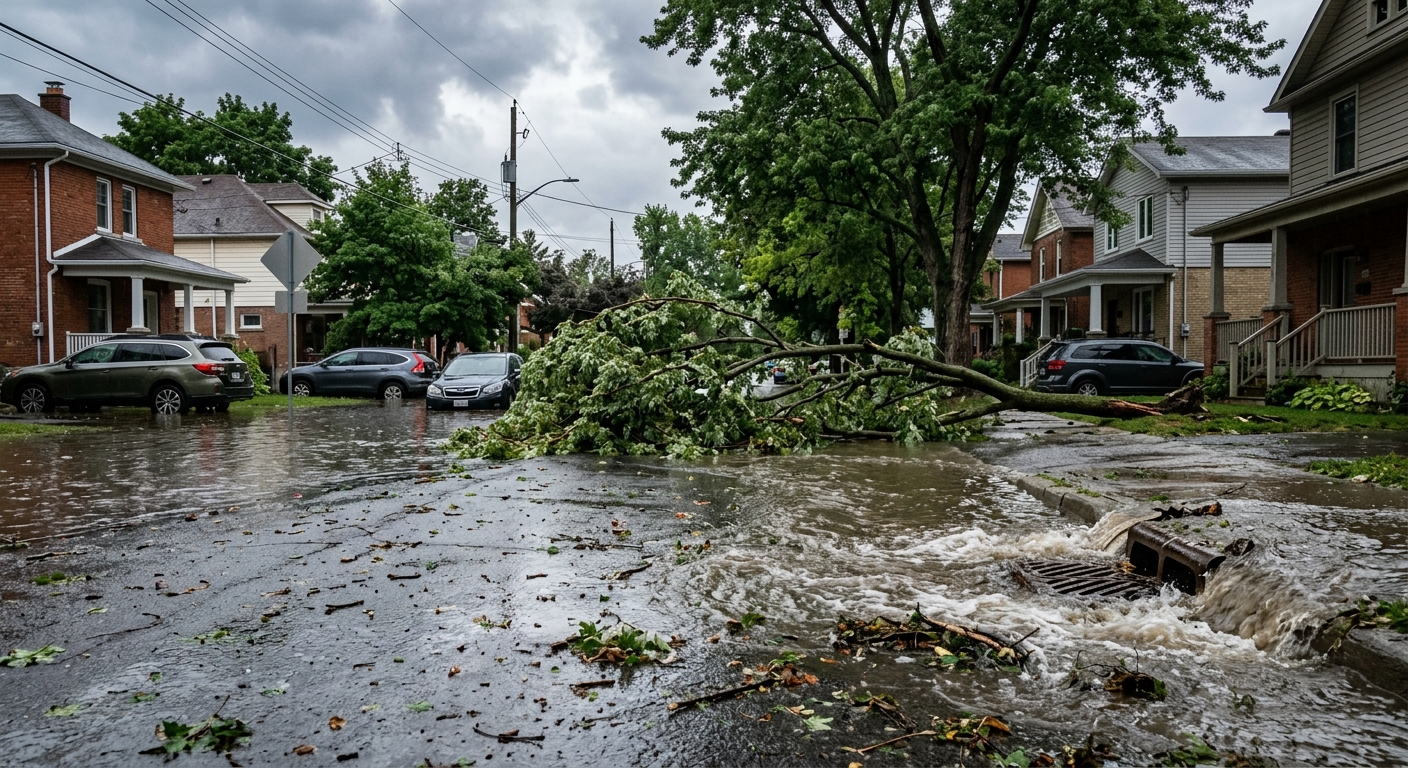
Rainfall totals reached up to 110 millimetres in certain areas, causing severe flooding and overwhelming drainage systems throughout Toronto Metro. The resulting storm damage ranged from waterlogged basements to flooded roadways, particularly affecting residential neighborhoods and major thoroughfares. City officials confirmed that swift flood mitigation measures enacted since 2005 minimized the extent of basement flooding, but many residents still faced water intrusion and property loss.
Power Outages Impact Thousands
During the height of the toronto storm, Toronto Hydro reported approximately 65,000 customers without electricity as lightning strikes and fallen trees damaged power lines. The utility quickly mobilized crews, narrowing outages to roughly 6,000 homes within a day. Toronto Hydro has advised residents to avoid downed power lines for their own safety, repeatedly emphasizing the importance of staying clear of damaged infrastructure to prevent further injuries. Public safety remains a top concern as restoration efforts continue.
Emergency Response Reaches Historic Levels
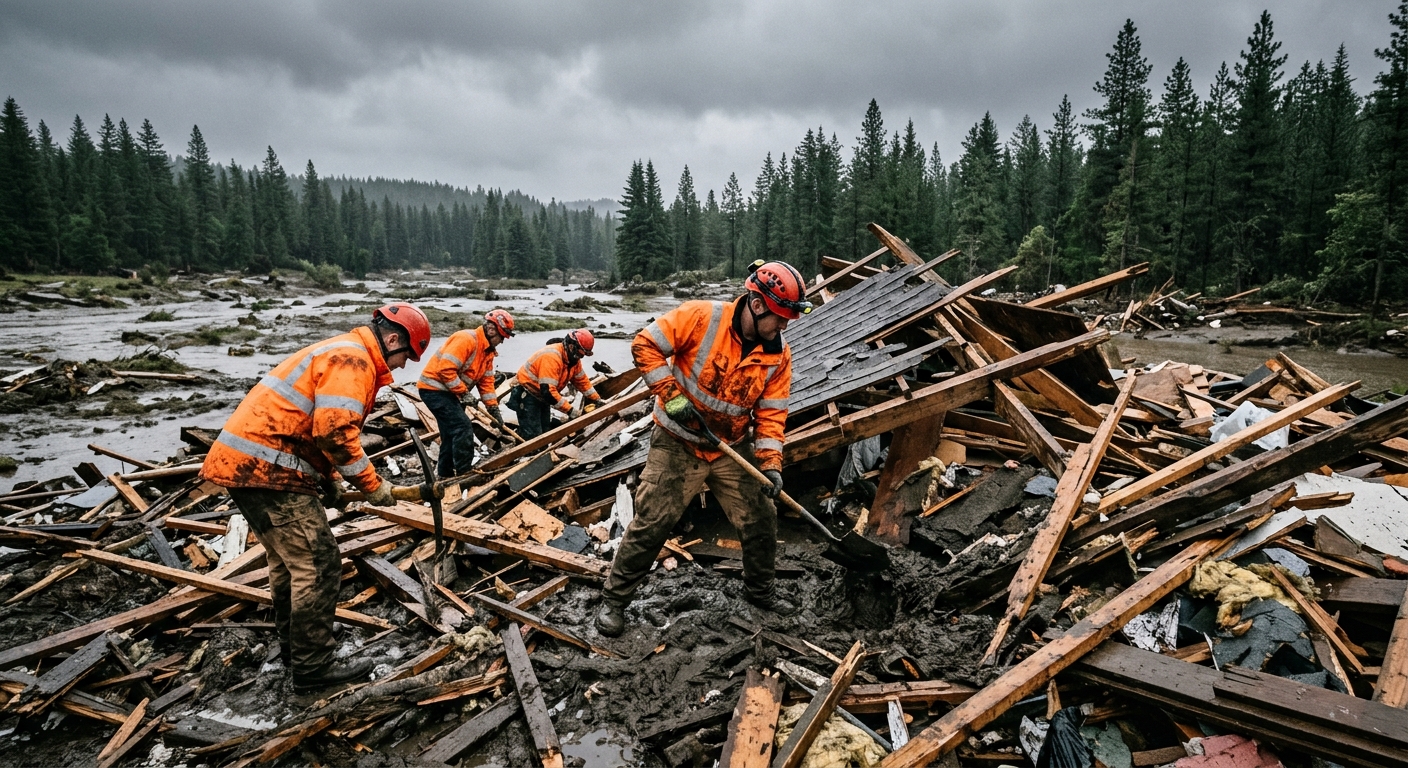
The city’s emergency response was tested as agencies responded to nearly 1,500 calls—one of the highest case volumes in fire services history. Firefighters rescued residents trapped by rising water, responded to collapsed structures, and provided support on flooded roads. Toronto’s coordinated emergency response showcased the importance of robust public safety protocols, as teams from multiple departments worked together to address hazards across the city.
Infrastructure Damage and Road Closures
One of the more dramatic impacts of the storm was a large sinkhole that opened in Vaughan, disrupting commuter routes and contributing to several road closures across the Toronto Metro area. Crews have been addressing damaged infrastructure and assessing compromised roads, bridges, and transit lines as part of the ongoing storm cleanup operation. City officials urge drivers to remain alert for detours and heed local traffic advisories while repairs are underway.
Community Resilience in the Face of Disaster
Mayor Olivia Chow publicly praised Toronto’s public servants for their vigorous storm cleanup and rapid emergency response, highlighting the extraordinary efforts made by those ensuring community needs were met in real time. She underscored the city’s unity and resilience and pointed to the success of recent flood mitigation investments in limiting severe harm this time compared to past events.
Ongoing Recovery and Preparedness
As Toronto Metro pushes ahead with recovery, city resources remain focused on clearing debris, restoring power, and supporting affected households. The road to full restoration is expected to take several more days, and officials stress the critical importance of reporting untouched hazards and following all public safety advisories. Residents are encouraged to use caution and to check for city updates regarding road closures and power restoration schedules.
The toronto storm serves as a powerful reminder of the region’s vulnerability to severe weather, but also reflects the strength of Toronto Metro’s emergency response and the effectiveness of recent investments in resilience. As clean-up and infrastructure repairs continue, city leaders reaffirm their commitment to public safety and preparedness for future challenges.