- calendar_today April 20, 2026
The Future of School Facilities: Innovations and Trends
Imagine stepping into a school designed with not just the present in mind, but the future of education itself. As educational methods evolve, so too must the environments in which they take place. This article delves into the exciting innovations and trends shaping the future of school facilities and explores their potential impact on student learning, engagement, and well-being.
Reimagining Space: Flexible Learning Environments
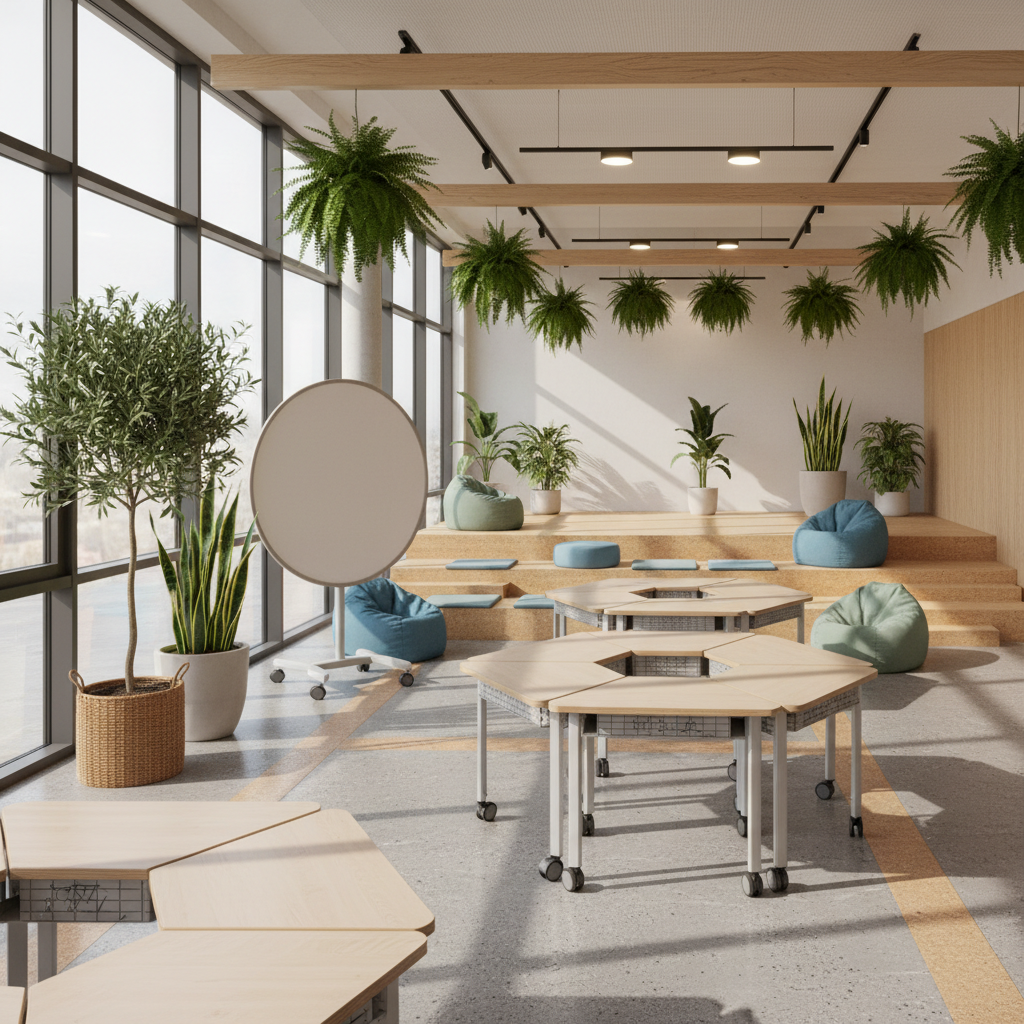
The traditional classroom layout—desks lined in rows and a teacher at the front—might soon become a relic of the past. Flexible learning environments encourage collaboration and creativity, allowing for reconfiguration to suit various teaching styles. Picture a space where walls can be moved, furniture is adaptable, and technology seamlessly integrates into daily interactions.
For instance, open areas filled with movable furniture foster group projects and discussions. Schools like [EXTERNAL LINK: High Tech High | source] in California have already adopted such designs. Here, students thrive in settings that encourage teamwork over isolation, providing a richer educational experience that adapts to individual needs.
Smart Technology: The Brain Behind School Facilities
Technology is rapidly shaping modern education, and smart schools are at the forefront. Imagine sensors that monitor air quality, classroom occupancy, and even temperature to promote the perfect learning environment. These are just some of the incredible advancements that smart technology brings to school facilities.
Automation and Energy Efficiency
Equipping schools with automated systems reduces energy consumption and operational costs. Smart lighting, for example, adjusts based on occupancy, ensuring that energy isn’t wasted when classrooms are empty. A study by the [EXTERNAL LINK: U.S. Department of Energy | source] found that schools implementing such technologies saw an energy savings of up to 30%.
Enhanced Learning Tools
Interactive whiteboards and virtual reality setups allow students to explore subjects in ways that traditional methods can’t match. For example, engaging in virtual tours in history lessons or conducting science experiments in a virtual lab stimulates curiosity and enhances understanding.
Focus on Mental Health: Wellness-Centric Designs
As awareness of mental health issues rises, the design of school facilities is increasingly focusing on promoting well-being. Spaces for relaxation, such as mindfulness rooms or sensory gardens, allow students to recharge and reset during their busy days.
Natural Elements and Biophilic Design
Biophilic design, which incorporates natural elements into architecture, is gaining traction. Schools that welcome sunlight, greenery, and fresh air create environments conducive to learning and mental health. This approach has been linked to improved concentration and reduced anxiety levels.
One notable example is [EXTERNAL LINK: The Green School | source] in Bali, which uses bamboo structures surrounded by lush vegetation to create an inviting atmosphere that connects students with nature.
Safety and Security: Building with Care
The safety of students is paramount, and the design of school facilities is evolving to reflect that priority. From secure entrances to integrated surveillance systems, modern schools are stepping up their security measures.
Physical Security Measures
Entrance designs that restrict access and the installation of cameras in strategic locations enhance overall safety. However, it’s essential that these systems strike the right balance—they should never make students feel imprisoned in their learning environments.
Digital Security
With increased reliance on technology comes the necessity for robust cybersecurity measures. Schools need to protect student data and ensure that their technological advancements are safeguarded against breaches.
Community Connections: The Role of School Facilities
Modern school facilities are evolving beyond mere educational spaces; they are becoming community hubs. By offering resources and services that extend beyond classroom learning, facilities can foster stronger connections among students, families, and local organizations.
Shared Spaces and Resources
When schools integrate libraries, community centers, and sports facilities into the same complex, they encourage local interaction. For example, an after-school program could utilize a gym space while also allowing community members access during evenings and weekends, enhancing community life.
Partnerships with Local Businesses
Collaboration with local businesses can provide students with internship opportunities while giving the community a chance to invest in future generations. Programs that connect schools with local professionals can result in work-study arrangements that benefit both students and local economies.
Conclusion: Embracing the Future of Education
The future of school facilities is bright, filled with innovations that promise to transform not just how students learn, but how they experience education as a whole. By embracing flexible spaces, smart technology, wellness-centric designs, enhanced security, and community collaboration, we can create environments that nurture creativity, productivity, and well-being.
As we move into this new era, consider how these trends could be applied in your community. What innovations would you like to see in your local schools? The future is ours to shape, and it starts now.