
AI-generated illustration; not a photograph of the reported event.
- calendar_today October 20, 2026
Introduction: A High-Stakes Legal Battle Unfolds
The landmark Cowichan Nation ruling by the B.C. Supreme Court has sparked a wave of appeals and warnings from various parties, including government bodies, businesses, and other First Nations. Concerns over public confidence, private property rights, port operations, flood protection, and traditional fishing have all been raised as the February 2027 implementation date approaches.
Background: The Landmark Cowichan Nation Ruling
The B.C. Supreme Court decision, issued by Justice Barbara Young, established Aboriginal title for the Quw'utsun (Cowichan) Nation over up to 325 hectares of land and submerged property in Richmond. These lands include stretches owned by the federal Crown, the Vancouver Fraser Port Authority, the City of Richmond, and private landowners. The judgment also affirmed the Cowichan's Aboriginal right to fish for food in the south arm of the Fraser River—a territory long associated with the Musqueam and Tsawwassen First Nations.
Justice Young found that the land in question was historically promised to the Cowichan by B.C.'s first governor, James Douglas, and that the Crown lacked authority to sell or distribute it. While recognizing private property interests, Young suggested a framework where Aboriginal title and private rights could coexist, pending negotiations between the Crown and the Cowichan Nation.
Appeals and Requests for a Stay
Multiple parties—the province, Canada's attorney general, the Port of Vancouver, the City of Richmond, and both the Musqueam and Tsawwassen Nations—are seeking a legal freeze on portions of the Cowichan ruling. Their stay applications will be heard in January, ahead of appeal proceedings scheduled for November 2027. Each applicant cites potential "irreparable harm" should the court order come into full effect before the appeals are decided.
Concerns expressed include threats to the reliability of the land registration system, the potential invalidation of private property interests, disruption of port operations, and increased risk of flooding if critical dike infrastructure access is impeded.
Specific Concerns from Key Stakeholders
Province of B.C. and Public Interest
The provincial government warns that the Cowichan Nation ruling has created "serious doubt" about private property rights in B.C. They argue the decision jeopardizes public trust in the land registration system and the process of reconciliation. The province has requested assurances from the Cowichan Nation that they will not take steps to enforce title against private landowners pending appeal, but say these have not been granted, heightening uncertainty for landowners and the public.
Port of Vancouver and Business Impacts
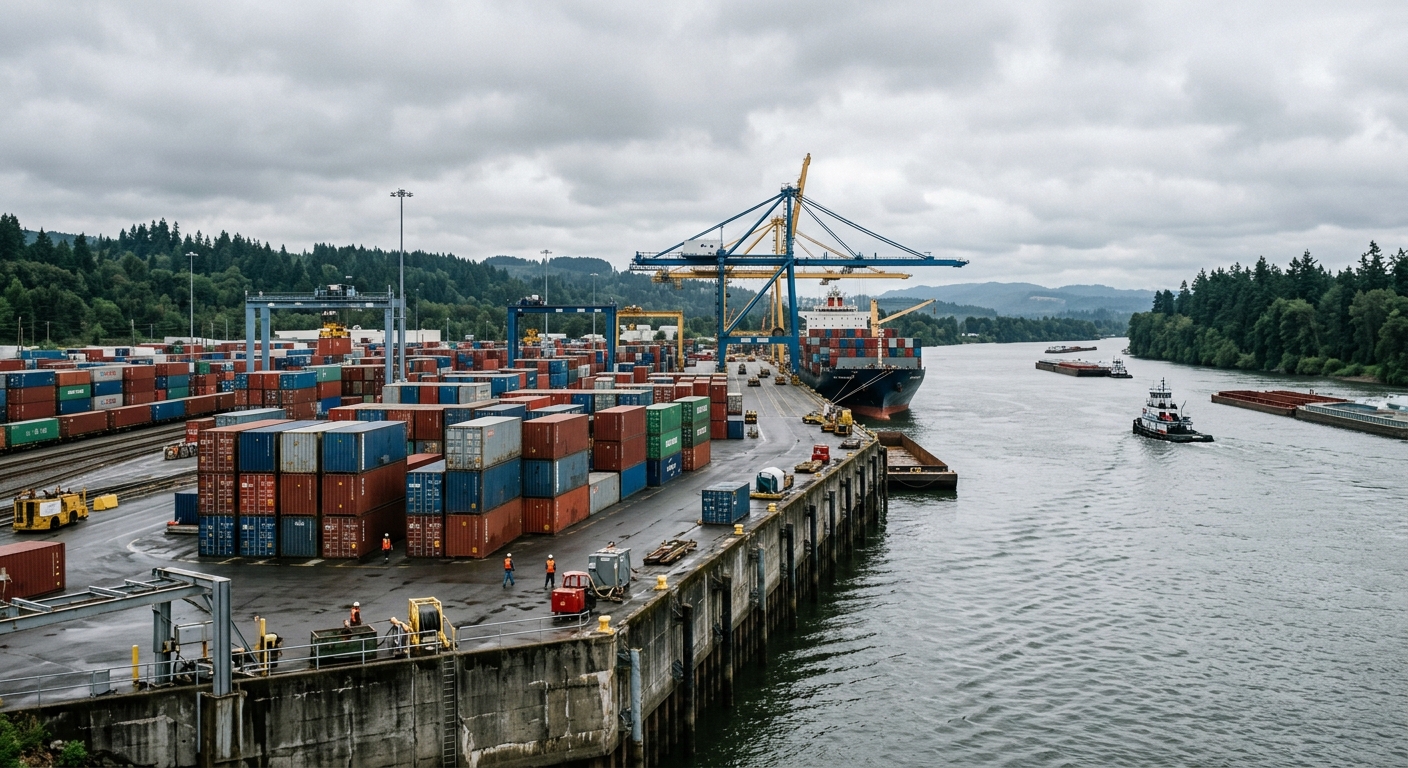
The Port of Vancouver and related businesses assert that the ruling could create a "chaotic situation" affecting port operations, leaseholders, and supply chains. According to court filings, leases and operations vital to the region's economy are at risk. The Vancouver Fraser Port Authority highlights the complexity and cost of relocating port functions and the potential negative implications for investment in Canada’s ports.
City of Richmond and Flood Protection
Richmond’s stay application centers on access to shoreline lots used for dike and pump station maintenance—critical for protecting the city from flooding. The city claims that agreements with landowners for routine maintenance are incompatible with the current court ruling, potentially putting thousands of homes at risk if immediate access is lost.
Traditional Fishing Rights: Musqueam and Tsawwassen First Nations
The Musqueam and Tsawwassen First Nations argue that the Cowichan ruling has negatively impacted their access to traditional fishing grounds and threatens already depleted Chinook salmon stocks. They claim an uptick in Cowichan fishing activities following the decision has crowded them out of crucial stretches of the Fraser River, making it more difficult, costly, and unsafe for their members to fish for food, social, and ceremonial purposes.
Cowichan Nation’s Pending Response
The Quw'utsun Nation has until December 18 to file responses to the six stay applications. Their legal counsel maintains that solutions are available for each claimed harm, emphasizing negotiation over litigation and urging recognition of the unique historical context of the lands in question. The Cowichan’s lawyer argues that the ruling should not be viewed as precedent for all Aboriginal title disputes elsewhere.
Looking Ahead: Legal Uncertainty Continues
Arguments on the appeals themselves are scheduled to begin in late 2027. Meanwhile, a special five-judge panel may be convened to address the complex and unprecedented legal questions at stake. As parties prepare for court, the outcome of these proceedings will be closely watched, given their potential to reshape the intersection of Aboriginal title, private property rights, and public infrastructure in British Columbia.
Source: cbc.ca.


