- calendar_today August 9, 2026
The Toronto Metro region is watching closely as the bald range wildfire intensifies in British Columbia, prompting a provincial state of emergency and forcing the evacuation of approximately 22,000 residents. Fueled by extreme fire conditions and rapid expansion near Summerland, the ongoing crisis is reshaping responses to wildfire evacuation efforts across the province and raising concern beyond its borders.
Bald Range Wildfire Forces Widespread Evacuation
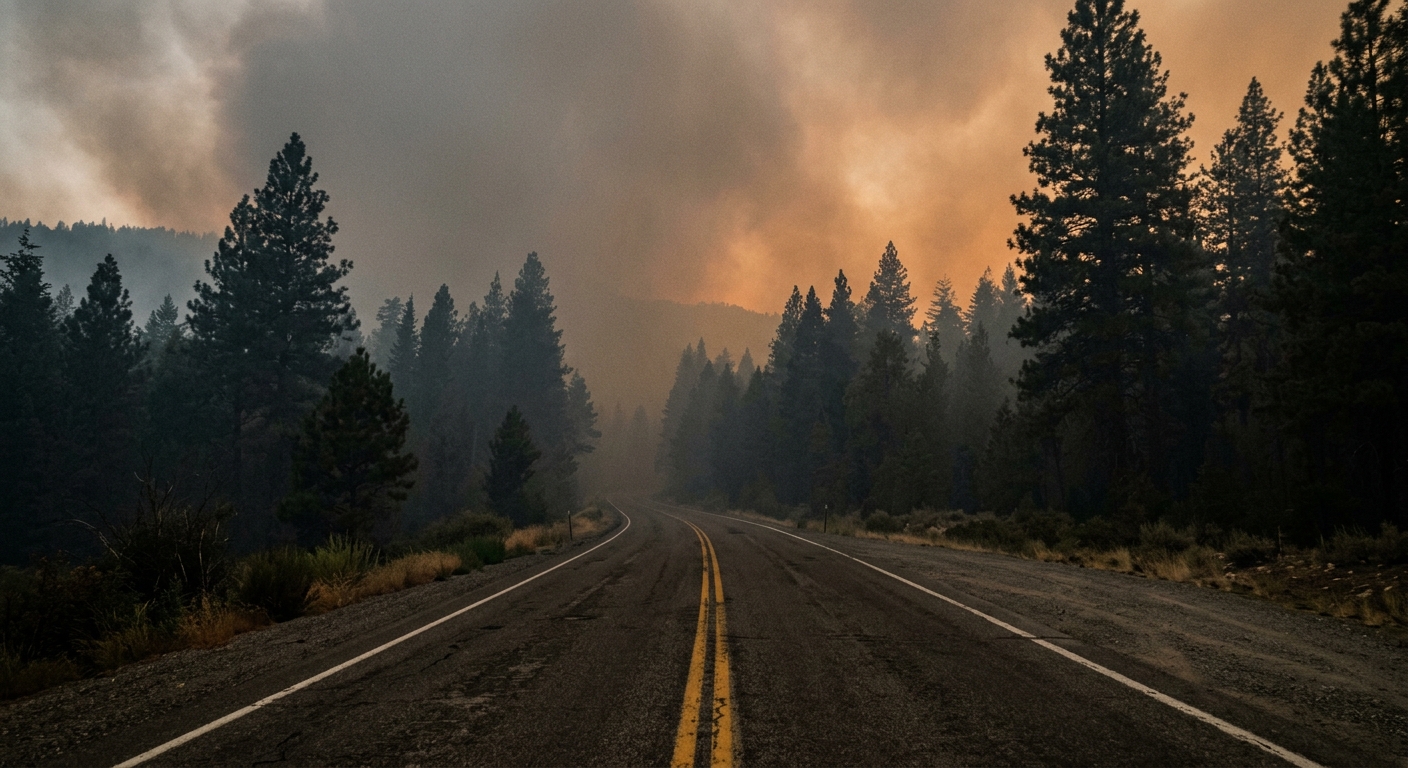
The bald range wildfire, situated near Summerland, has grown at an alarming rate to reach 103 square kilometres within a brief period. As this summerland wildfire outpaced containment strategies, emergency alerts extended rapidly to surrounding communities, including Penticton and Peachland. The situation has underscored the urgent need for coordinated wildfire evacuation procedures and highlighted the vulnerability of local infrastructure amid escalating fire threats.
Impact on Local Communities and Infrastructure
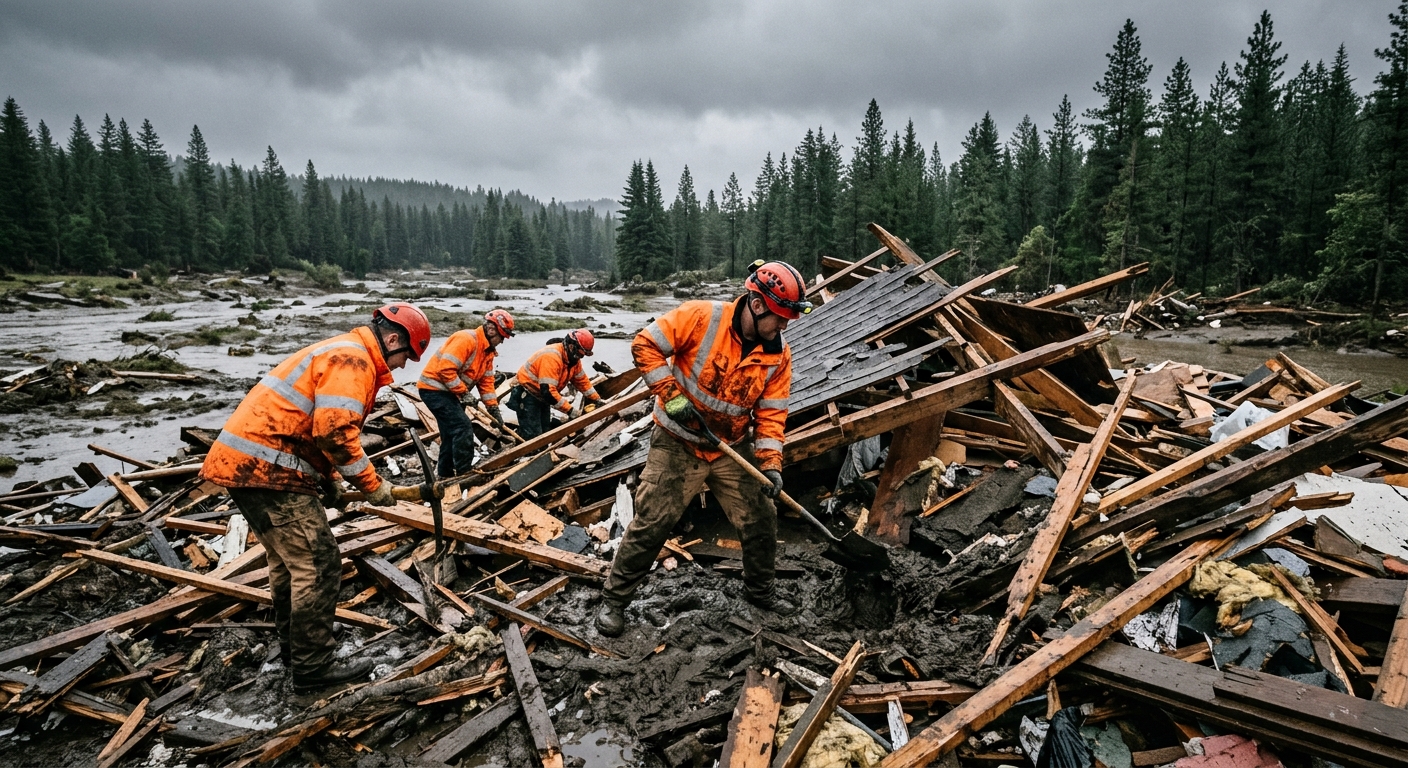
Hundreds of homes in the affected areas have been lost as the blaze swept through neighbourhoods. With wildfire evacuations penticton and in adjacent communities ongoing, search and rescue operations continue under the guidance of local authorities. The Royal Canadian Mounted Police (RCMP) are currently investigating what may be the first fatality linked to this event, reflecting the seriousness of the danger.
Multiple Wildfires Strain Resources
British Columbia wildfires now number more than 100 active incidents, with several, including the bald range wildfire, classified as out of control. The Ainslie Creek fire and the Bradley Creek fire, which has affected the Okanagan Indian Band, have further complicated firefighting efforts. Meanwhile, the Pear Lake wildfire has forced additional emergency evacuations across the province, testing the resilience of both community infrastructure and emergency services.
Wildfire Highway Closures Challenge Evacuation Efforts
Major highways such as Highway 97 and Highway 1 remain closed as a direct result of wildfire activity. Wildfire highway closures have restricted safe passage for evacuees and hampered the delivery of critical support. These disruptions are impacting evacuation planning and the timeline for first responders attempting to reach fire-threatened communities throughout the Okanagan wildfires region. Authorities caution that access could become even more limited if current trends continue.
Community and Emergency Support Mechanisms
In response to unprecedented needs, local health services have extended their hours, offering vital assistance to those forced to leave their homes. Volunteers within the community are providing food, water, and emotional support to evacuees, while emergency teams focus on establishing control lines, advancing wildfire containment, and protecting structures. Wildfire rescue operations remain top priority as officials deploy additional resources to high-risk zones.
Ongoing Risks and Preparedness Efforts
Authorities continue to warn of heightened threats due to predicted thunderstorms and dry lightning, conditions known to ignite new fires quickly. The ongoing wildfire state of emergency underscores the need for enhanced preparedness not just in British Columbia but also in urban centres like Toronto Metro, where local governments are reviewing emergency protocols in solidarity.
Path Forward and Provincial Resilience
With fire crews working around the clock, the focus remains on bringing the bald range wildfire and other active blazes under control. The lessons learned from these events will inform future wildfire containment strategies in British Columbia and offer guidance to municipalities across Canada. Regional collaboration and sustained effort are expected to play a key role as the province looks to protect lives, property, and environmental assets amid emerging climate realities.