
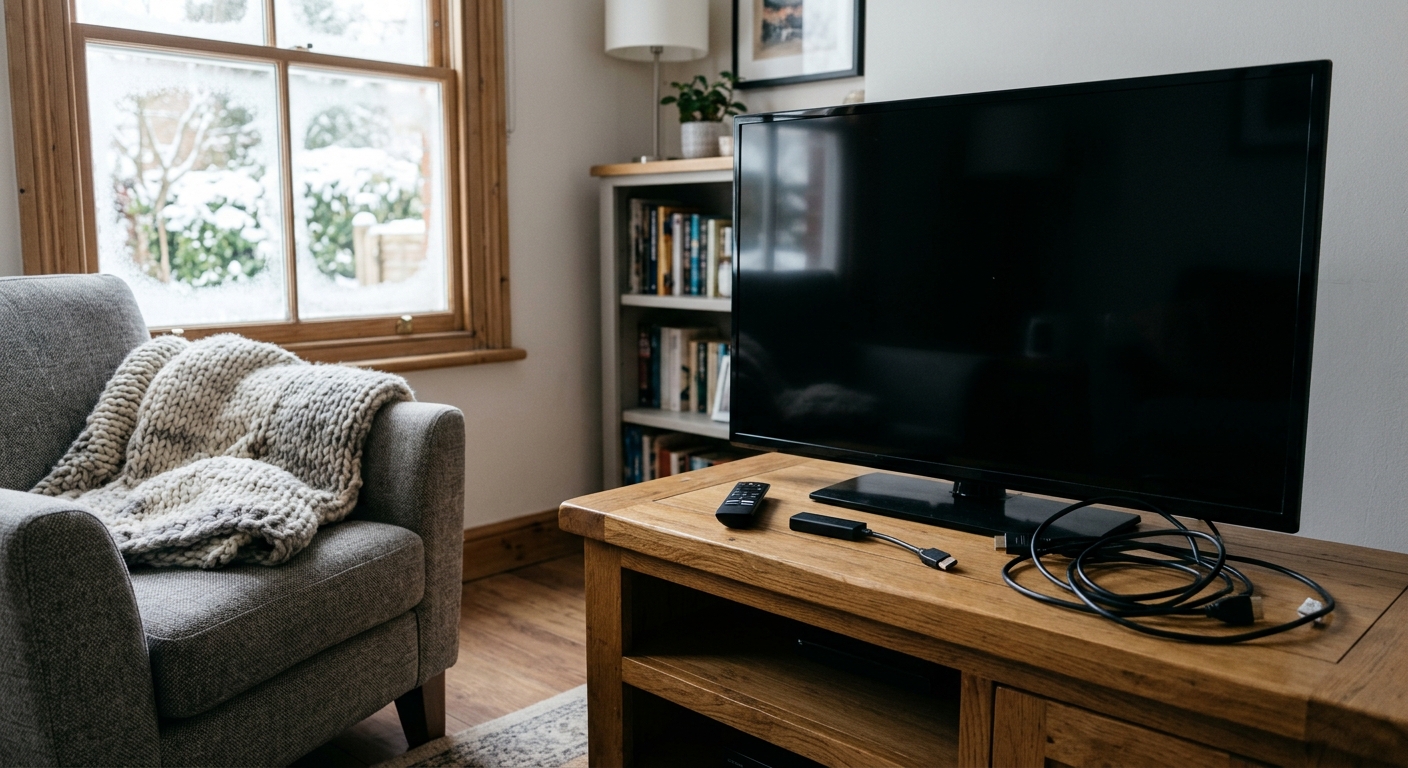
AI-generated illustration; not a photograph of the reported event.
- calendar_today October 25, 2026
Growing Trend: Using AI to Simplify Smart TVs
Viral posts on social media have recently highlighted a trend where users employ artificial intelligence (AI) to "dumb down" their smart TVs. By using AI-assisted coding, these individuals seek to remove unwanted apps, disable tracking features, and streamline their home entertainment experience. While the idea holds appeal for those frustrated by ads and data collection, technology experts are issuing warnings about potential risks tied to these unconventional modifications.
How AI Hacks Work to Debloat TVs
Coding scripts shared online, such as the project "dumbtv", aim to make smart TVs less cluttered and more responsive. These scripts guide users—sometimes with help from AI agents like Claude—through steps such as identifying the TV's IP address and blocking traffic linked to ads and analytics. The intent is to reclaim control from persistent software updates and invasive data collection.
Ritesh Kotak, a Toronto-based technology analyst and cybersecurity expert, explained that his own frustrations with frequent updates and background data activity pushed him to consider such options. "Here is a big push to make the TVs not as smart," Kotak said.
Mixed Results and Alternative Solutions
Despite some online reports of success, these AI-powered solutions are not foolproof. Not everyone has been able to get AI agents to respond as intended, and some have reported negative outcomes such as making their Android TV unusable. Experts caution that this method can lead to device instability or even voided warranties.
Instead, tech analysts point to third-party apps like Kyu Launcher and AT4K Launcher as safer ways to achieve similar results without significant risk. Often, simply adjusting settings within the TV’s own menu can remove unwanted features or notifications, sidestepping the need for risky AI hacks.
Rise of 'Vibe Coding' and TV Customization
The popularity of what some call "vibe coding"—using AI to help individuals modify their devices—has opened up advanced customization to a broader audience. Carmi Levy, a London, Ont.-based tech journalist, noted that while tech-savvy users have always experimented with device customization, AI tools now enable novices to make extensive changes. However, he stressed the unpredictable nature of these efforts: "Sometimes it’ll work, sometimes it won’t. Sometimes you’ll end up breaking the very device you’re trying to update."
Levy acknowledged that the impulse behind these hacks—frustration with constant surveillance and data collection—is widespread, stating, "People are starting to get fed up with all of this data collection. And they're starting to react to this surveillance economy."
Privacy Concerns and Device Security Risks
Tech analysts advise users to be mindful of the risks involved in modifying smart TVs with AI-derived scripts. Kotak suggested an alternative: using a streaming device such as a Fire Stick or Apple TV, which can offer similar app selections and functionality while keeping the TV itself offline. This approach keeps the smart TV in "monitor" mode, reducing exposure to unwanted data collection and many security risks.
He also highlighted that many of the updates users find annoying are actually security patches, noting that skipping them could open doors to vulnerabilities—especially since smart TVs often come equipped with microphones that could be targeted by hackers. "If your TV is going to be connected to the internet, and you’re blocking certain services and you’re not doing those updates, you may be making yourself vulnerable," Kotak warned.
Conclusion: Proceed with Care When Modifying Smart TVs
While AI-powered hacks and vibe coding have made it easier than ever to customize and debloat smart TVs, experts recommend exercising caution. Many intended improvements can still be achieved through traditional apps or built-in settings, reducing risks to device security and functionality. For those concerned with privacy, easy solutions like external streaming devices may offer a safer path to a less intrusive TV experience.
Source: cbc.ca.


