- calendar_today September 2, 2025
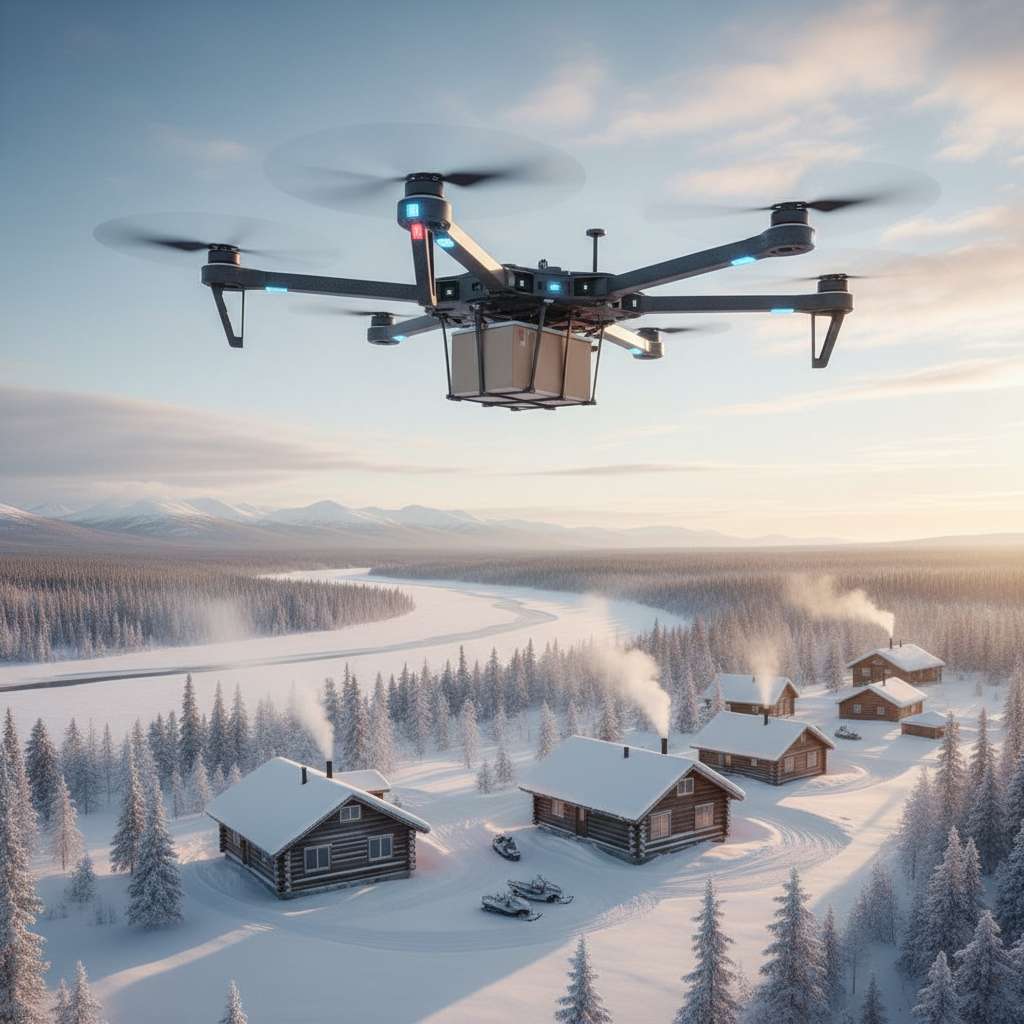
Northern Canada, typically characterized by its distant landscape and scarce infrastructure, is on the cusp of a dramatic shift. Amazon’s drone delivery service, already launched in much of North America, is now moving towards catering to the spread-out and dispersed population in the North. The expansion promises to deliver much-needed advances in logistics, delivery times, and access to basic goods.
For years, residents of the northern parts of Canada have suffered from the impossibility of receiving frequent shipments because of excessive distances, extreme weather, and insufficient transportation infrastructure. With Amazon’s drones on the horizon, the game of delivery is going to take a new turn.
Meeting the Challenges of the North
Northern Canada encompasses Yukon, the Northwest Territories, and Nunavut. These territories are famous for their stunning scenery, resilient communities, and vibrant cultures. However, the remoteness of these regions has made them difficult to access using conventional means of delivery. The goods tend to be transported by air, water, or lengthy road hauls, thus making the deliveries costly and time-consuming.
During winter months, ice cover or stormy weather may hold up supplies for weeks. Perishables may spoil. Plainly needed items such as medicine, tools, or groceries carry a hefty price since they must be shipped. Drone delivery might provide a safer, quicker, and less expensive answer to all of these issues.
Amazon’s drones are electric, light, and can fly over places where vehicles can’t. They can fly directly to where they’re going, bypassing potholes and roadblocks, providing a safe way of getting packages to their destination speedily.
Enabling the Everyday Life in Remote Communities
One of the largest advantages of drone delivery in Northern Canada will be experienced in everyday life. Supplies arrive in many small communities by shipments, and these range from household goods to school supplies and medical equipment. Having to wait weeks for a shipment is stressful and frustrating. In other instances, it can be life-threatening, like when medical supplies or emergency needs are delayed.
With drones, residents in the area can expect under an hour delivery of small packages. That is, a family that uses up baby formula or medication won’t have to wait for a cargo plane to arrive. It is also that students and educators can obtain the schooling supplies they require in a timely manner, and retailers are able to stock up more easily and frequently.
Even mundane things like purchasing a winter coat or a birthday present are made simpler, making individuals feel more a part of and engaged with the new world of the Internet.
Assisting Small Businesses to Compete
North-based small and local businesses are under special pressure. They must frequently raise their prices to pay for shipping or wait for a long time for stock to reach them. Amazon’s drone initiative provides a new avenue for such businesses to access more customers at the local and national levels.
Companies that sell through Amazon or to the end-consumer will see the advantage of speed and consistency that drones provide. Speedier delivery translates into happy customers and positive reviews. It will also assist businesses in remaining competitive with southern-based suppliers. A Whitehorse craftsman or a Yellowknife bakery can now compete on an even playing field in the online marketplace.
Reducing Costs and Minimizing Environmental Footprint
Since drones are electric, they consume much less energy compared to trucks or planes. They have zero emissions and consume less energy per trip. For areas such as Northern Canada, where the environment is not only stunning but also highly prized by the surrounding communities, this technology provides a more environmentally friendly means of shipping.
In the long term, less reliance on transporting fossil fuels could also reduce business and consumer costs. Less fuel surcharge, fewer supply chain interruptions, and fewer delays translate to more reliable, cheaper access to products.
Increasing Emergency Response
One of the greatest uses for drone delivery in Northern Canada could be in emergencies. In times of blizzards, floods, or electrical outages, roads and runways can be closed. At such times, drones can fill in to transport first-aid kits, flashlights, phones, or even food and purified water.
The ability to respond quickly to crisis situations, especially in areas where people may be isolated, could be life-saving. With the right coordination, drones can deliver supplies to schools, homes, or shelters within minutes.
Opening Doors for Technology and Jobs
With Amazon’s investment in drone delivery also comes potential for new job creation and technology-driven growth in the North. Drone operators, maintenance personnel, logistics planners, and customer service representatives may all have opportunities in this emerging field. School systems and training facilities could start to offer programs to train students for drone tech and logistics careers.
Over time, Northern Canada may become the center of intelligent delivery systems, fostering greater innovation and private investment in technology infrastructure.
A New Chapter for the North
Amazon’s drone delivery initiative is more than a futuristic gimmick—it’s a pragmatic answer to some of Northern Canada’s greatest problems. It’s fast, it’s secure, it’s economical, and it’s green. It puts rural towns and isolated hamlets in the game of contemporary logistics and online ease.
As these flying delivery systems begin to buzz across the skies of the North, they bring more than just packages—they bring possibilities. Whether it’s a parent receiving diapers, a teacher getting schoolbooks, or a business sending products across the country, drone delivery has the power to make life easier, more connected, and more sustainable.