- calendar_today August 19, 2025
AI Expansion Reaches Canada’s Northern Communities
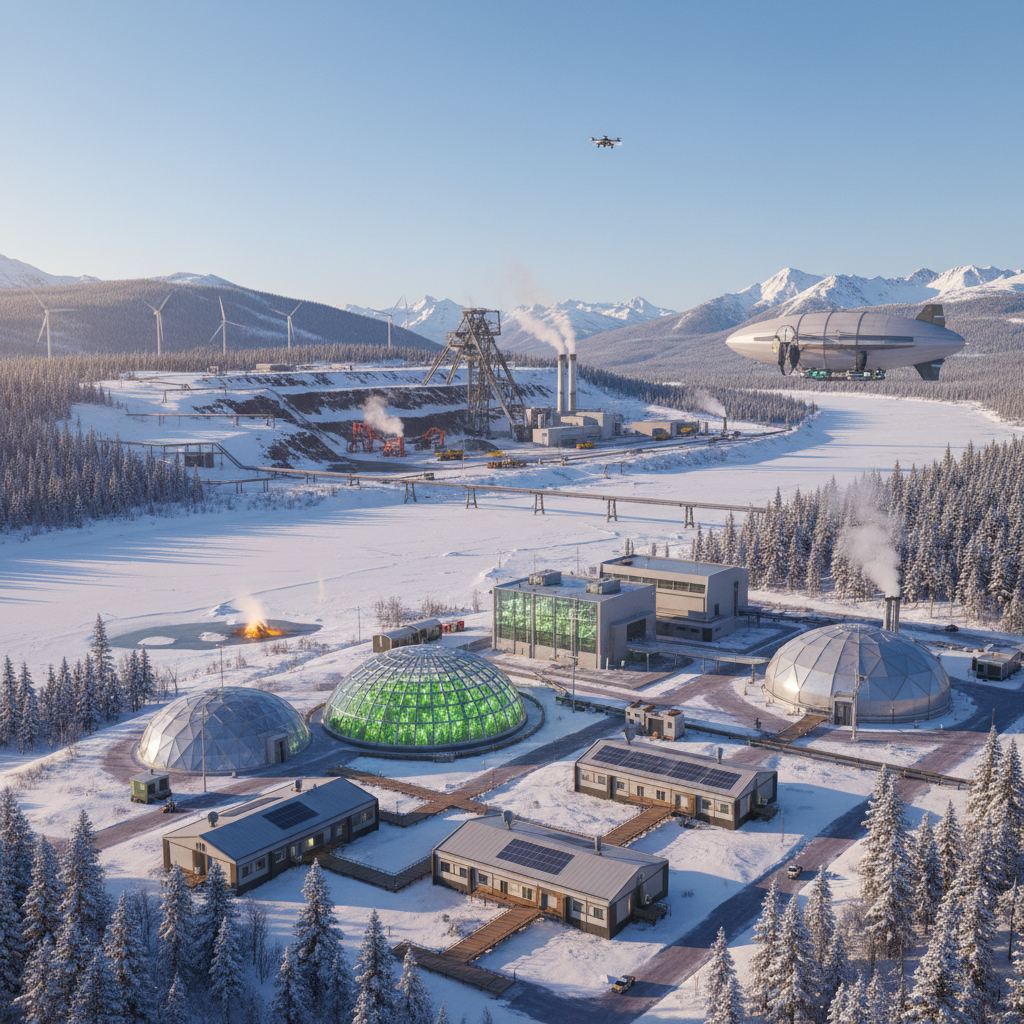
With OpenAI’s worldwide expansion, Northern Canada is very closely assessing how artificial intelligence (AI) may affect its economy, industry, and technological infrastructure. Although much of the AI revolution has centered on major urban areas, there is growing interest in the potential impacts of AI advancements on remote and northern communities.
The AI technologies may provide opportunities for efficiencies, innovation, and economic diversification in the North from resource management, through healthcare to education. However, the concern in the North remains about accessibility, preparedness of infrastructure, and workforce development.
Possible Roles of AI in Northern Canada
1. Improving Resource-Based Industries
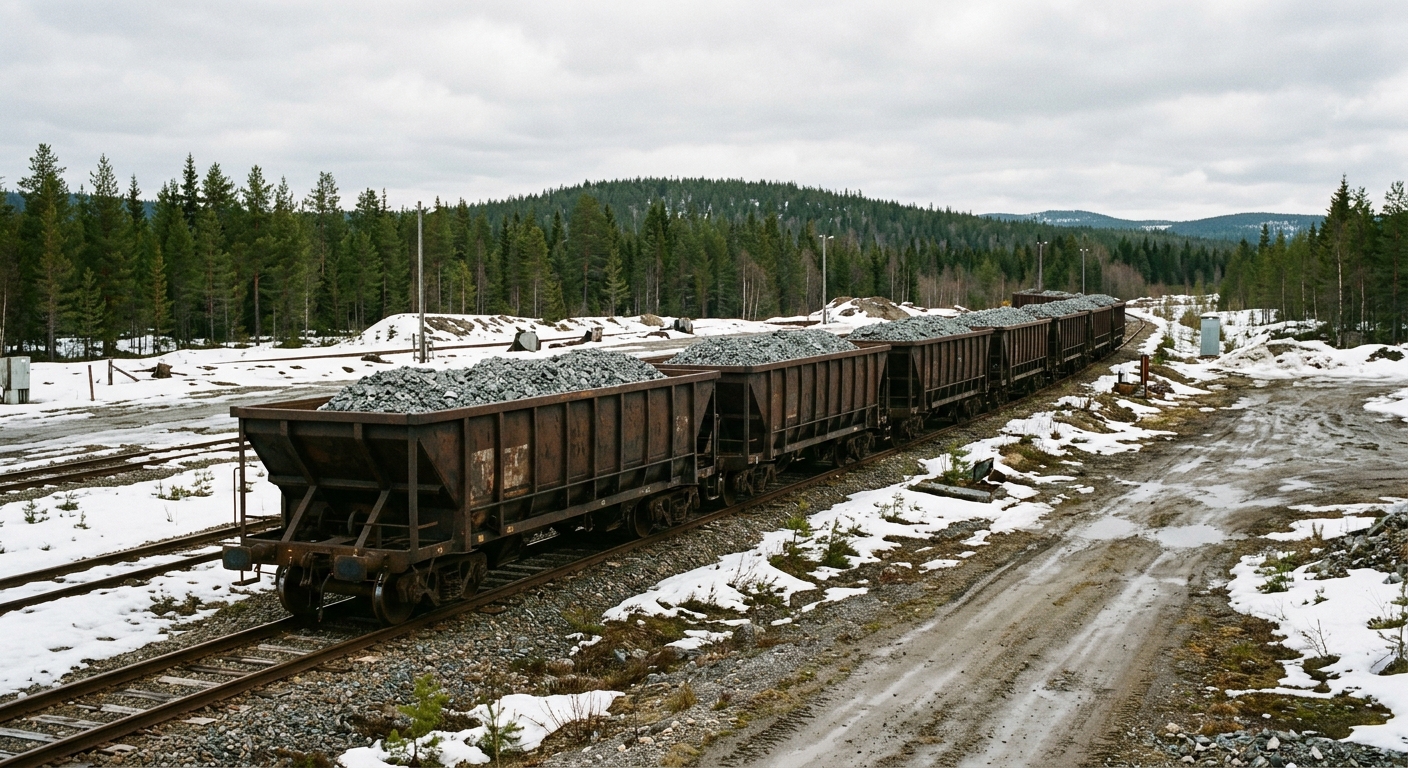
Northern Canada has an economy highly dependent on industries that exploit natural resources (such as mining, oil and gas, and forestry). AI can potentially:
- Optimize extraction processes to minimize wastage while maximizing efficiency.
- Enhance environmental monitoring and sustainability efforts.
- Improve predictive maintenance of equipment and infrastructure to avoid costly downtimes.
Companies in the North are now beginning to explore AI-powered solutions to boost production while fulfilling regulatory and environmental compliance.
2. Healthcare Access Improvements
Given the vast distances and limited access to healthcare facilities in Northern Canada, AI telemedicine and AI diagnostics could truly reshape these medical services. Possible applications for AI include:
- Remote patient monitoring and early detection of diseases.
- Provision for virtual consultation and automated diagnostic tools.
- Management of medical supply chains to isolated communities.
Incorporating AI in healthcare may help Northern Canada bridge the gaps in medical services and produce better health outcomes.
3. AI in Education and Workforce Development
The educational sectors in the North view AI as a personalized learning and skills training approach. AI solutions may provide:
- Custom learning experiences are made to suit individual student needs.
- Remote access to AI-based training programs.
- The workforce transition of reskilling of the workers into emerging AI-related jobs.
With OpenAI’s growth, there is an opportunity to digitally upskill the northern workforce so that they can actively participate in the AI-enabled economy.
Challenges and Considerations
1. Digital Infrastructure and Connectivity
Problematic digital infrastructure exists despite the promise of AI: advanced connectivity and limited high-speed internet access remain significant hindrances in Northern Canada. AI-based technologies require connectivity in an ultra-fast mode, which remains to be a barrier for many remote communities. The expansion of broadband access will thus be crucial in the adoption of AI.
2. Economic Diversification
AI presents an opportunity for Northern Canada to diversify beyond traditional industries. While resource extraction remains dominant, AI-driven advancements in logistics, tourism, and remote work opportunities could expand economic options.
3. Ethical and Cultural Considerations
Indigenous communities in the North are increasingly involved in discussions about AI’s impact on their land, traditions, and ways of life. Ensuring that AI development respects Indigenous knowledge and sovereignty will be a key factor in its adoption.
The Path Forward
OpenAI’s global growth signals a shift toward AI-driven economies, and Northern Canada has the opportunity to leverage these advancements for regional benefit. By addressing connectivity challenges, investing in AI training, and ensuring responsible AI development, the North can position itself to take advantage of emerging technologies while preserving its unique cultural and economic landscape.