- calendar_today August 10, 2025
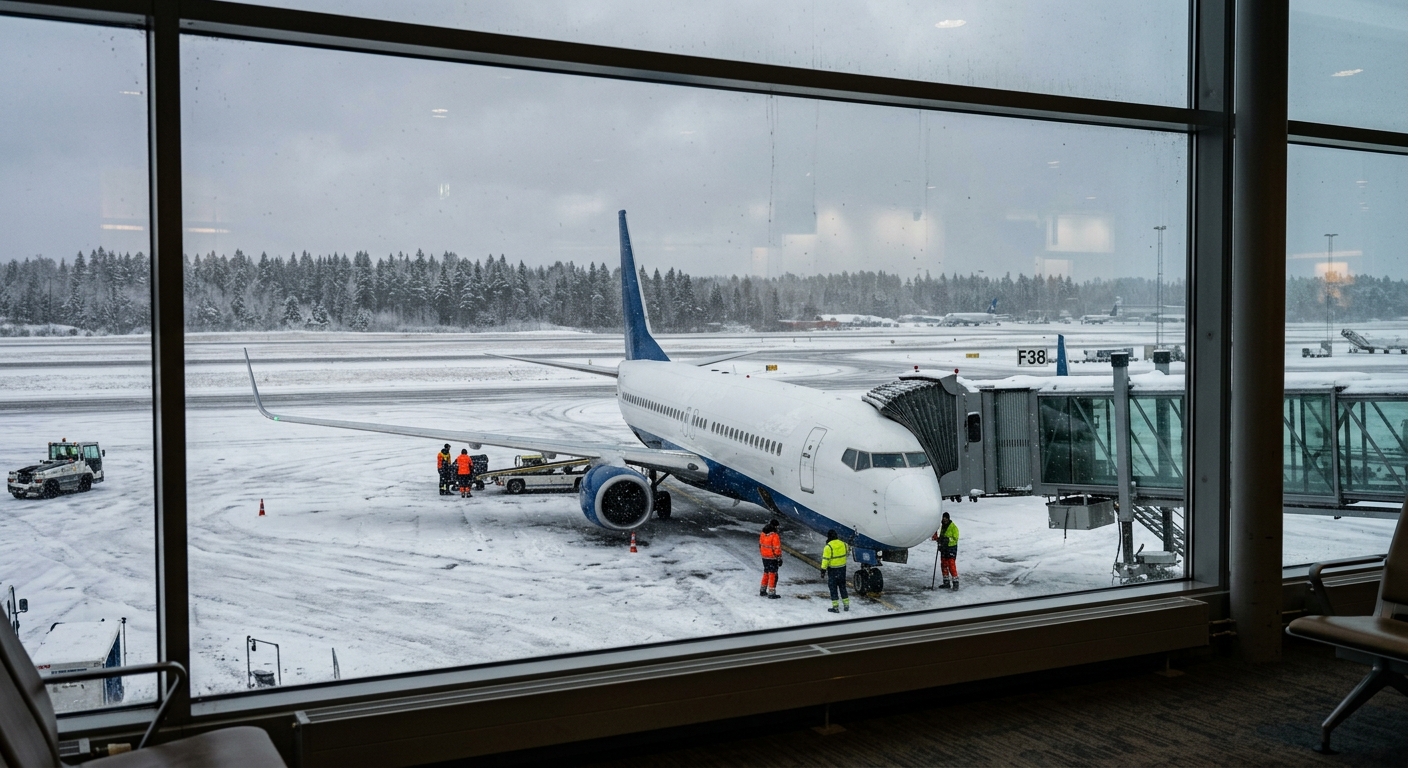
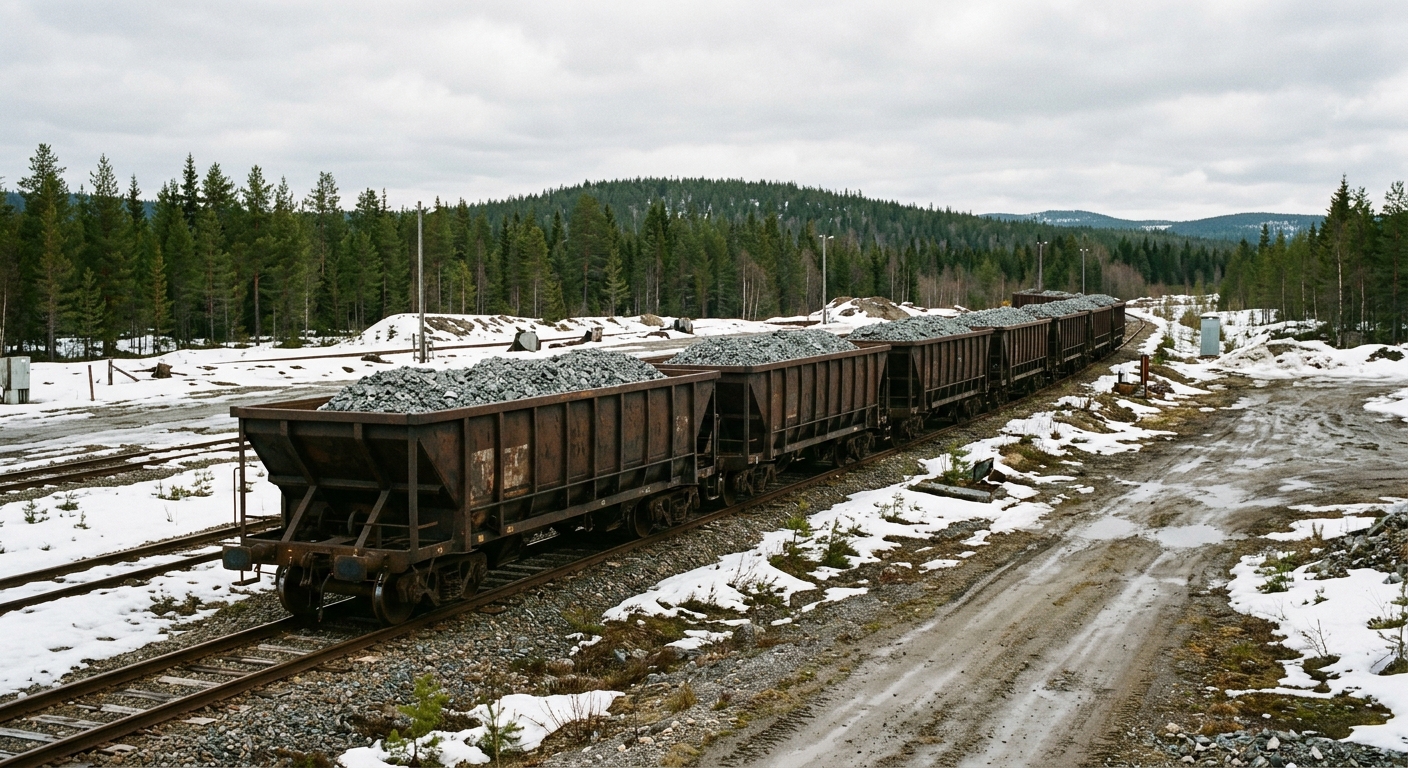
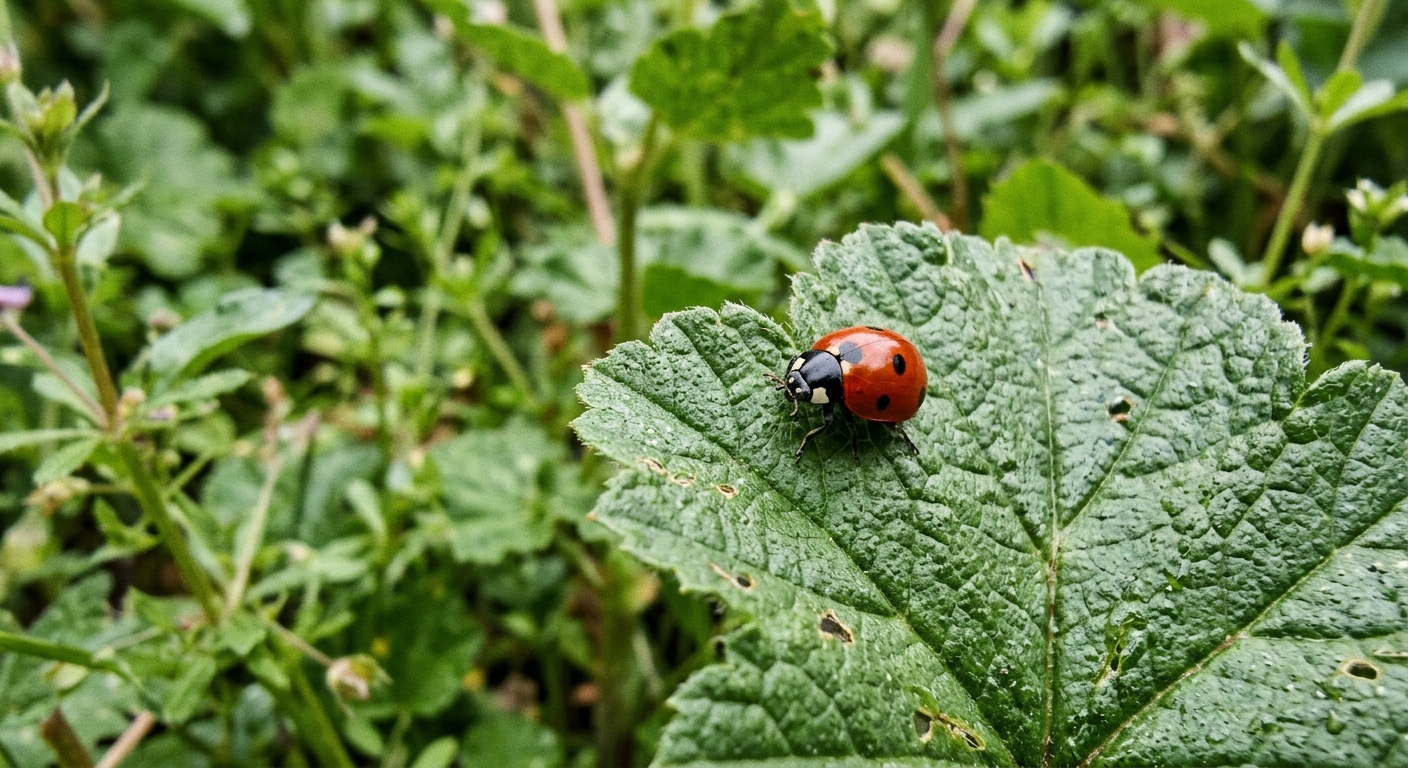
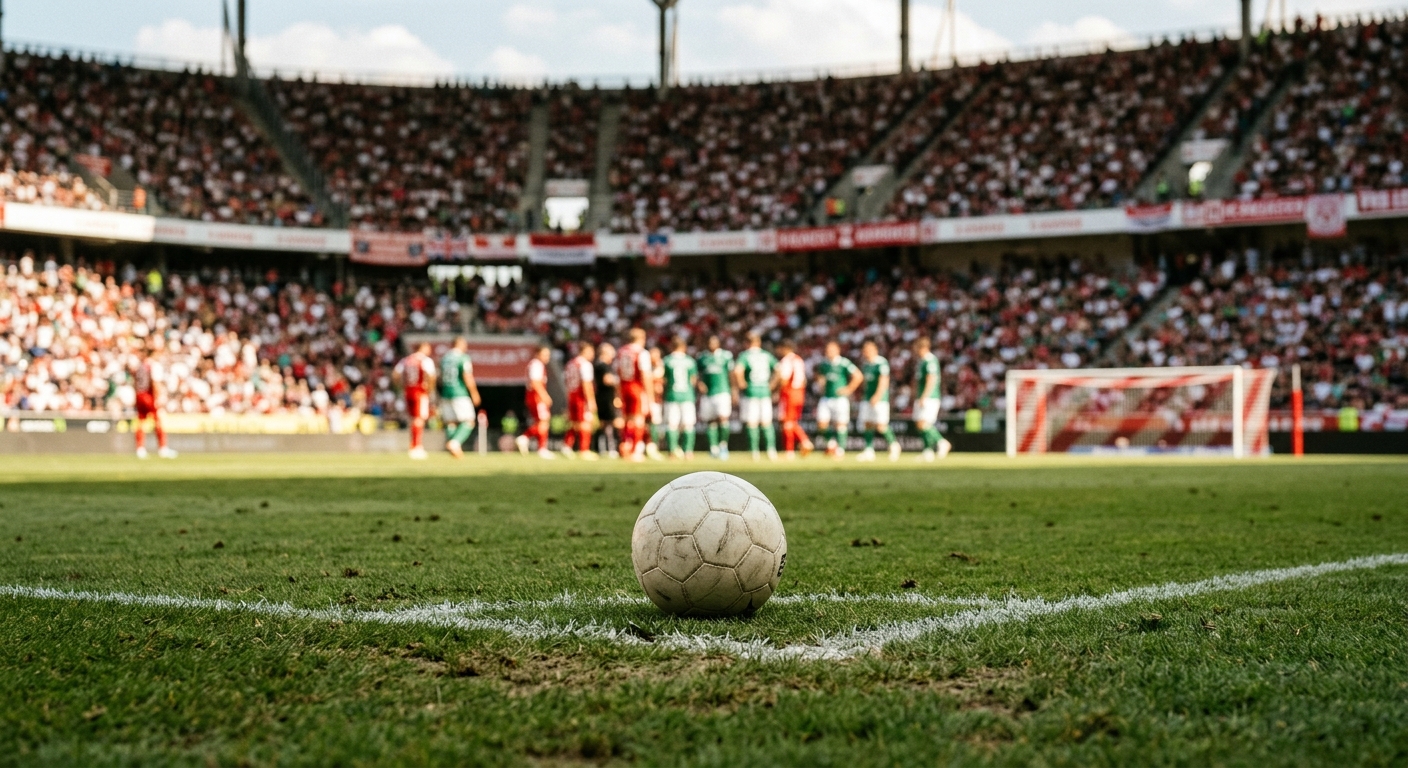
“Images in ChatGPT” represents a major update from OpenAI, which incorporates image creation capabilities into the ChatGPT platform. The recently released GPT-4o model now powers a feature that lets users create images during chat interactions and represents a significant development in AI-generated content.
Users at every ChatGPT subscription level, from Plus to Pro and Team, as well as those with free accounts, can now access the “Images in ChatGPT” feature, which provides advanced image generation capabilities. OpenAI spokesperson Taya Christianson stated that free tier users face usage restrictions similar to those experienced by DALL-E 3 users, which allows them to create about three images daily, but these limits can shift according to demand. Users who value an exclusive DALL-E experience continue to access it through a custom GPT option.
OpenAI’s research lead Gabriel Goh described GPT-4o as a transformative “omnimodal” model which processes multiple data formats such as text, images, audio, and video. The model now features enhanced “binding” capabilities, which resolve a long-standing problem found in AI image generation. GPT-4o demonstrates reliable management of 15 to 20 objects without mixing colors or shapes, unlike prior models, which faced difficulties maintaining accurate object-attribute relationships.
The system delivers exceptional text rendering, which stands out as one of its major advancements. AI-generated images were used to display text that was either garbled or made no sense. Goh explained the elaborate development process as an iterative procedure that demanded many months to perfect. Even though perfect text rendering for small text has not yet been achieved, the team has established sufficient consistency for reliable text usability in images.
Instead of using diffusion models typical in image generation systems, this system employs an autoregressive approach. This left-to-right and top-to-bottom image generation method resembles text generation processes and may enhance text rendering and binding performance.
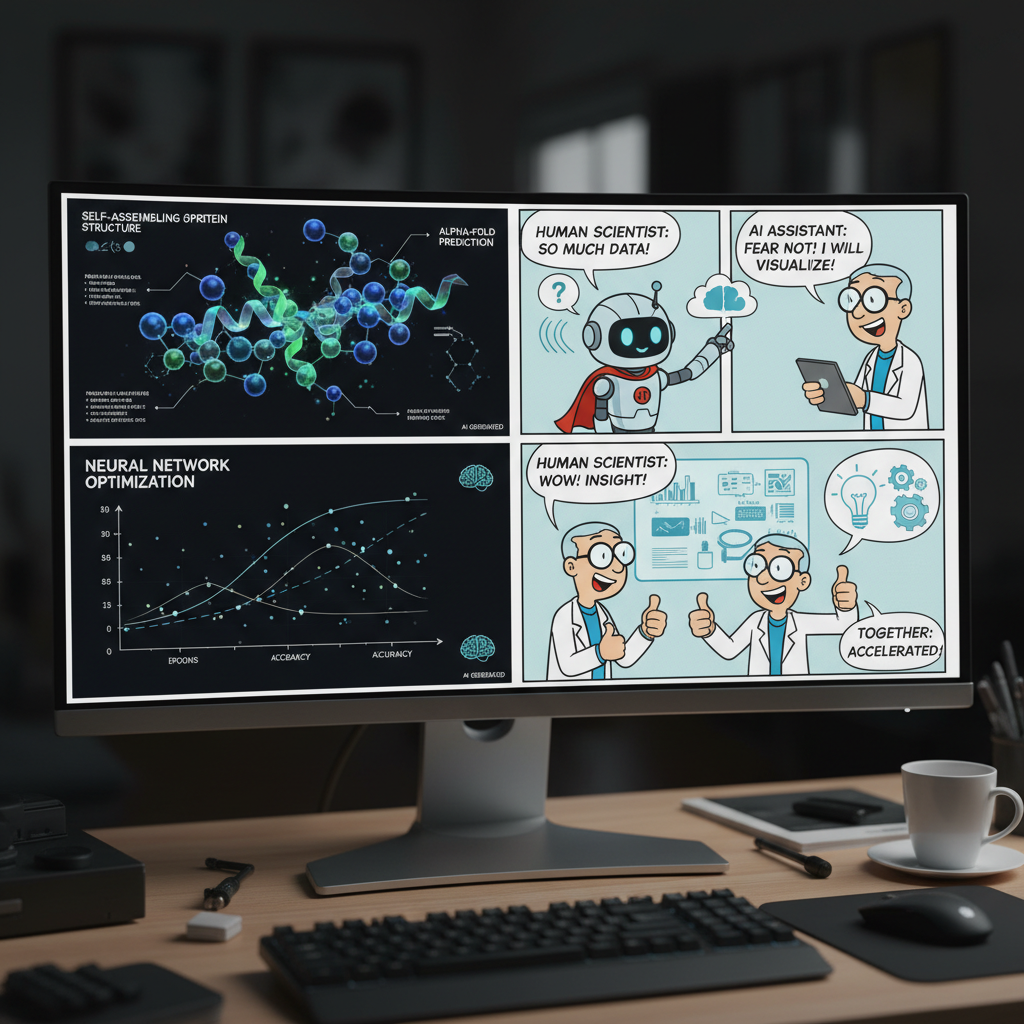
OpenAI’s briefing presentation highlighted the system’s diverse capabilities, which include producing scientific diagrams like Newton’s prism experiment with precise labeling and creating multi-panel comics with consistent characters and dialogue, together with informational posters featuring accurate text. The demonstrations included practical applications where transparent background images were created for stickers and restaurant menus, as well as logos.
Jackie Shannon, who leads multimodal product development at ChatGPT, pointed out the system’s capability to use global knowledge. She explained that her image creation process features the constraints of her personal abilities while incorporating the extensive world knowledge she possesses. The model uses world knowledge to deliver images without requiring users to define what Newton’s prism experiment is.
According to OpenAI, the improved quality and capabilities of image generation make waiting longer worthwhile. Shannon acknowledged potential latency improvements yet emphasized how the superior image quality and extensive world knowledge compensate for the waiting time.
OpenAI emphasized its implementation of strong safeguards to address concerns regarding potential misuse. The system protects against watermark removal and sexual deepfake production while denying CSAM requests. All generated images will carry standard C2PA metadata, which identifies them as OpenAI creations despite lacking visual watermarks. The company has internal verification tools that examine images.
Shannon confirmed that although no system can achieve perfection in this area, we persistently enhance our protective measures, which we view as the initial step. Users who generate images through ChatGPT maintain ownership rights, which allow them to use these images according to the parameters defined by our usage policies.
Integrating advanced image generation capabilities into ChatGPT marks a major advancement in the field of artificial intelligence creativity. OpenAI shows its dedication to creating a strong and dependable tool through enhanced binding capabilities and text rendering, along with robust security measures. The company shows its innovative approach to image generation by moving from traditional diffusion models to an autoregressive method. OpenAI prioritizes user ownership alongside metadata integration to ensure transparency and ethical practices within the field of AI-generated content. This launch establishes a new benchmark for accessible and powerful AI image creation through active management of potential risks.