
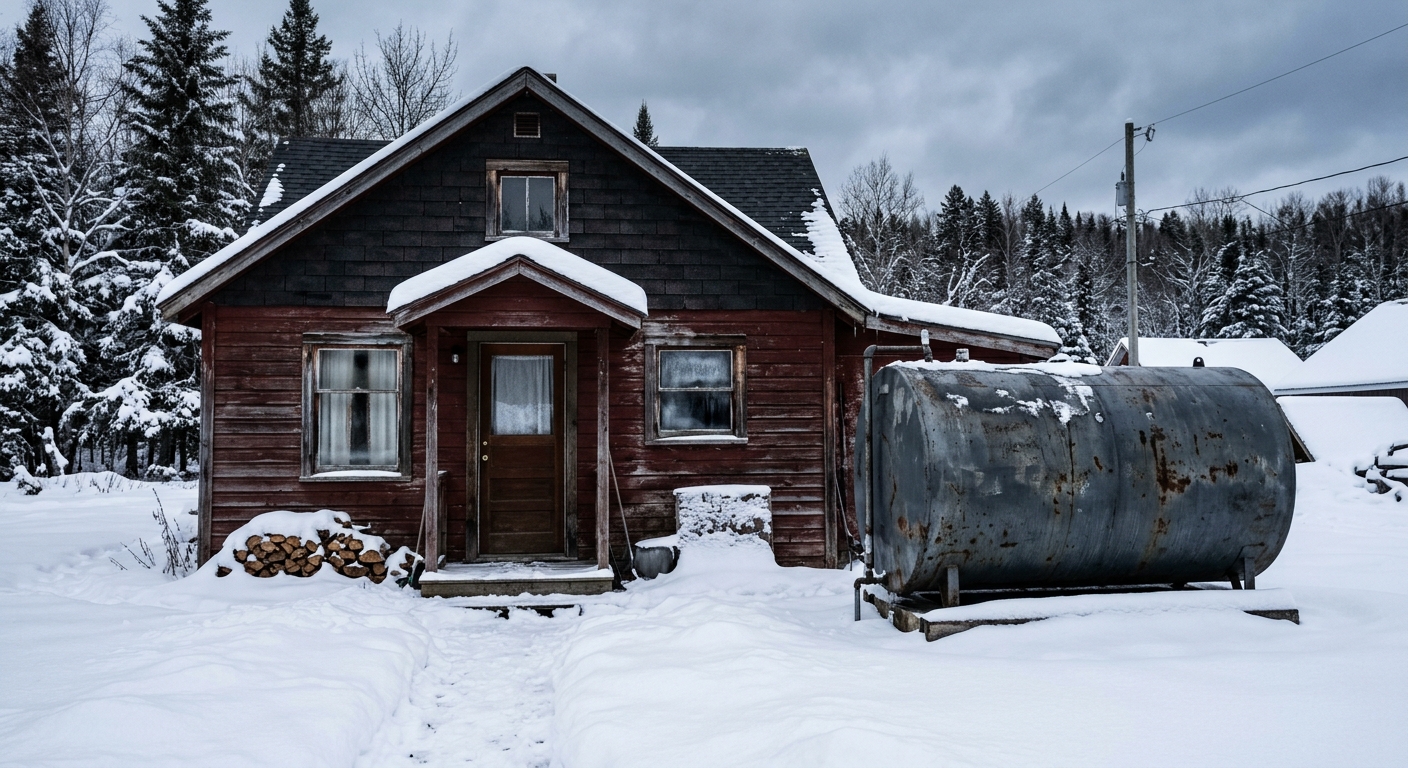
AI-generated illustration; not a photograph of the reported event.
- calendar_today October 21, 2026
N.W.T. Faces Rising Fuel Costs Without Immediate Relief Measures
Residents of the Northwest Territories are bracing for higher fuel prices and an increase in winter heating bills, as Finance Minister Caroline Wawzonek confirmed there will be no new emergency relief from the territorial government. While addressing concerns in the Legislative Assembly, Wawzonek reiterated her commitment to seeking additional support from the federal government, rather than introducing new subsidies or cutting fuel taxes at the territorial level.
Legislators Push for Action on Fuel Price Shock
During a session on Tuesday, several Members of the Legislative Assembly (MLAs) pressed Minister Wawzonek for immediate solutions to blunt the impact of the ongoing fuel price shock. They asked whether the government would consider suspending the territorial tax on vehicle fuel or extending emergency subsidies to residents not already receiving assistance for home heating costs. The rising fuel costs have become a pressing issue as the winter approaches, and residents worry about affording to heat their homes through the harsh northern season.
Territorial Government Maintains Current Fuel Tax Policy
Range Lake MLA Kieron Testart highlighted steps taken by other provinces and the federal government to temporarily reduce fuel prices, urging the N.W.T. to follow suit by lowering the territorial fuel tax. However, Minister Wawzonek rejected the proposal, explaining that "there are not any proposals underway to remove the $15 million estimated we get out of [fuel] taxes." She indicated that a suspension would only save about $8 per average tank, and thus would not offer substantial relief to most residents.
Julian Morse, MLA for Frame Lake, suggested targeted subsidies for low-income residents who are not covered by existing social assistance programs. Wawzonek responded that such measures are not currently being considered. She emphasized that the government is focusing on long-term issues, such as the territory’s dependency on diesel for power generation, the high cost of living, and support for vulnerable groups including seniors and those in public housing.
Structural Energy Challenges and Diesel Dependence
The territory’s increased reliance on diesel continues to present a fundamental challenge. Low water levels have hampered hydroelectric power generation, forcing greater dependence on diesel, which drives up fuel costs and, in turn, winter heating expenses. Wawzonek acknowledged that sustained high costs are likely, even with subsidization, stating, “there are no illusions here that there’s going to be some high costs that we're facing.”
Minister Appeals for Federal Support
Earlier that day, Minister Wawzonek took the territory’s case to Ottawa, testifying virtually before the federal standing committee on Indigenous and Northern Affairs. She outlined the unique affordability issues faced by N.W.T. residents, noting that living costs in Yellowknife are 23 percent higher than in a city like Edmonton, with even higher costs in outlying communities. Energy expenses account for much of the discrepancy, with transport and heating costs nearly double the national average.
The N.W.T. government currently provides more than $18 million annually in direct subsidies to help stabilize energy costs. While Wawzonek welcomed recent federal initiatives—such as a $2-billion program supporting heat pump installations—she pointed out that such measures are unsuitable for the North’s extreme climate. Instead, she advocated for tailored solutions, suggesting investments in biomass, wood stoves, and liquefied natural gas could better serve the territory’s unique needs.
Looking Ahead
Amid no new territorial measures, residents and legislators will continue to face difficult choices as winter sets in. While immediate relief is not forthcoming, the N.W.T. government remains committed to lobbying the federal government for support that recognizes the territory’s specific challenges in meeting energy needs and managing the continued fuel price shock.
Source: cbc.ca.


