- calendar_today August 30, 2026
Icelanders delivered a decisive verdict in a closely watched iceland eu referendum, opting to forgo renewed negotiations with Brussels on potential European Union membership. The outcome, with 52.8 percent voting ‘no’ against 47.2 percent in favor, attracted significant attention in the Toronto Metro region, given the ongoing global debates over sovereignty and economic integration.
High Turnout Reflects Intense Political Debate
The referendum saw participation from 82.5 percent of eligible voters, indicative of the importance Icelanders place on their country’s direction. Political debate was vigorous in the lead-up to the vote, with citizens and policymakers exchanging views on issues ranging from eu membership to the country’s delicate economic situation. Outside Reykjavik’s core districts, opposition to re-engaging with Brussels was especially strong.
Economic Independence and Vital Fishing Waters
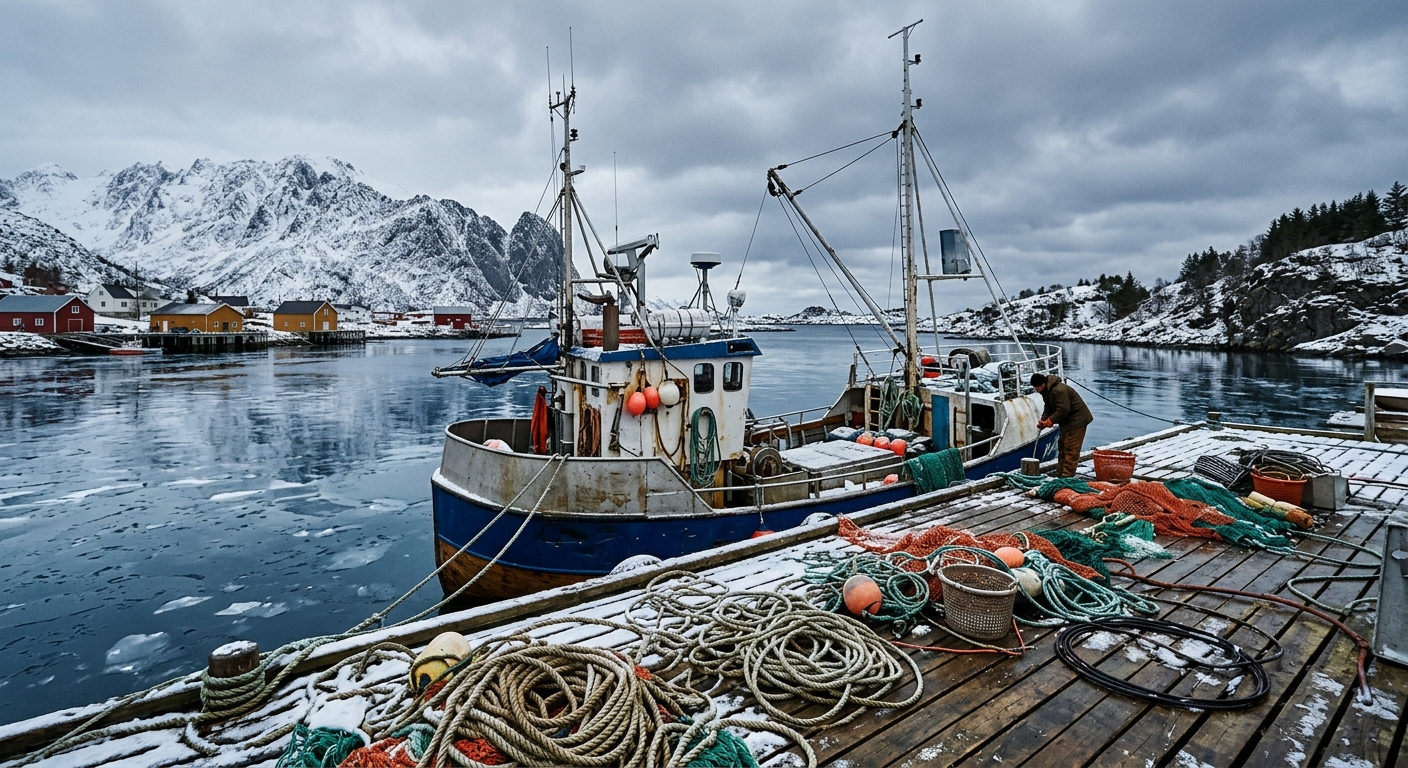
Central to the opposition’s argument was the protection of Iceland’s extensive fishing waters, which form a cornerstone of the national economy. Fisheries contribute significantly to both GDP and exports, leading many Icelanders to view EU accession as a threat to their longstanding rights over these resources. Concerns that eu membership could limit local control and impact the economic impact of the sector dominated much of the public discourse.
Government Frames EU Accession as Strategic Move
The Icelandic government, however, described eu accession as a necessary strategic move. Officials pointed to growing arctic security pressures, such as evolving geopolitical landscapes and uncertainty over U.S. commitments in the region. For many proponents, closer EU ties would have helped Iceland navigate emerging trade relations and geopolitical challenges, including those in the increasingly competitive Arctic.
Domestic Economic Concerns Remain Central
High inflation and rising interest rates further complicated the debate. Some supporters argued that joining the EU—and potentially adopting the euro—could stabilize Iceland’s volatile economy and buffer against external shocks. However, opponents countered that Iceland’s leaders should address economic woes independently, without outside intervention. The balance between economic sovereignty and integration became a defining feature of the political debate.
Urban-Rural Divide Evident in Reykjavik Vote
Voting patterns between Reykjavik and the rest of the country underscored regional divisions. While the reykjavik vote leaned somewhat more toward reopening EU talks, the majority outside the urban center rejected the proposal. The result reflects a classic urban–rural split on international alignment issues and speaks to different economic priorities, especially concerning the sustainability of fishing communities beyond the capital.
Implications for EU Enlargement and Iceland’s Future
The referendum’s outcome is expected to put the question of eu enlargement on hold for Iceland, at least as long as the current coalition remains in office. The result sends a clear message about the nation’s desire for economic independence and cautious approach to deeper integration. As Canada and other nations observe these developments, many in the Toronto Metro business and policy circles will watch closely for signals about future Arctic policy, evolving economic strategy, and the broader European integration process.