
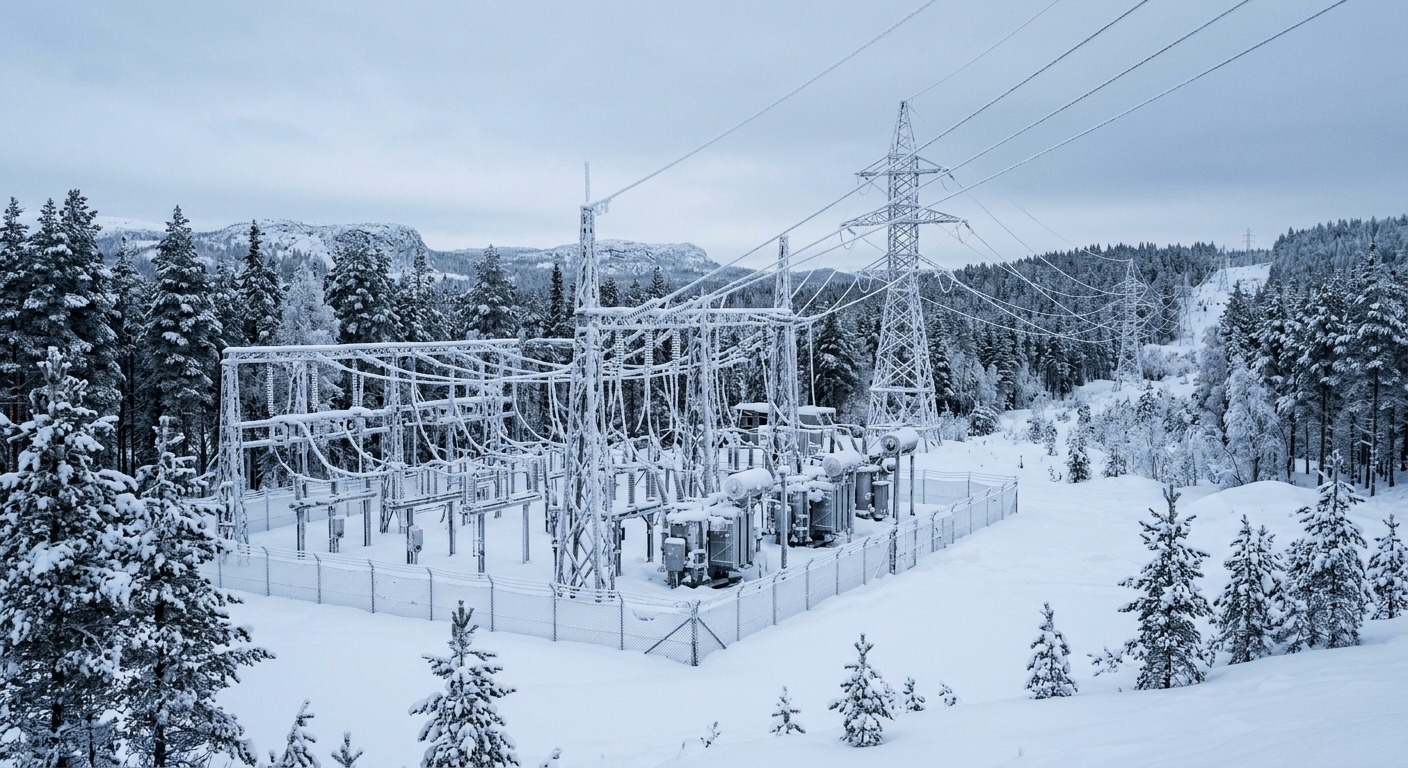
AI-generated illustration; not a photograph of the reported event.
- calendar_today October 22, 2026
Yukon Facing Major Power Bill Hike Amid Strain on Energy Grid
Yukon’s Minister of Energy, Mines and Resources, Ted Laking, has raised concerns about a looming increase in electricity rates for Yukoners, warning that power bills could jump by as much as 53% unless the federal government provides significant funding for energy infrastructure upgrades.
Demand for Electricity and Need for Infrastructure Upgrades
Laking explained that the existing territory power grid is facing mounting pressure as electricity demand continues to rise. He told a parliamentary committee in Ottawa that power demand in Yukon is expected to increase by 60% over the coming decade. “The reality is that we need to make significant investments,” Laking said, emphasizing the scope and urgency of the issue. He argued that it would not be reasonable or fair to pass the full burden of these energy infrastructure upgrades on to Yukon ratepayers.
Federal Partnership Sought to Ease Burden on Yukoners
Laking is urging the federal government to share costs for the vital upgrades, proposing a 75-25% partnership similar to other northern infrastructure projects. Without federal investment, he warns, “that’s a 53 per cent increase” in yukon power bills, a burden he described as neither realistic nor fair.
He also highlighted how federal investment would align with national goals, such as Arctic sovereignty, critical mineral development, and expanded housing.
Short-term Solutions: Diesel Generators and Renewables
To address potential shortages—especially during harsh winter months—Laking acknowledged plans for deploying backup diesel backup generators. He cited external factors such as geopolitical tensions and fuel price volatility that impact energy security and costs.
Laking also underscored projects aimed at bolstering renewable energy, such as extending the life of the Mayo generating facility and advancing the Atlin hydro project, which would add eight megawatts of clean energy to the yukon energy grid. The planned White House Power Centres would provide 15 megawatts of additional energy as thermal backup, used only during peak demand in cold months when solar power is less effective.
Long-term Projects: BC Grid Connection and Cost Challenges
The Yukon government is considering the possibility of connecting to British Columbia’s power grid. Laking noted the federal government’s contribution towards pre-feasibility studies, but emphasized that a Yukon-BC intertie remains a “very complicated project.” The estimated price tag exceeds $4 billion—over double the territory’s annual budget—making it an unrealistic solution in the short to medium term without major outside funding.
Short-term Measures and Efficiency Initiatives
Following a near-blackout in Whitehorse last December, the Yukon government implemented several strategies to help stabilize the grid. Measures included repealing the Clean Energy Act—which had encouraged electrification and thus higher demand—and reallocating rebates from electric vehicles toward home energy efficiency upgrades.
Laking described efforts with municipalities to identify large buildings capable of self-generation, so they could disconnect from the grid in emergencies, potentially preventing rolling blackouts.
Outlook: Awaiting Federal Support
Laking continues to make the case in Ottawa for immediate federal investment in upgrades to ensure that demands of both current Yukoners and future national objectives can be met, especially as winter approaches. While trips to Ottawa have increased federal awareness of the situation, Laking notes that the key challenge is “getting the federal government to understand they need to be a funding partner as well.” Without that support, Yukoners could soon be faced with much higher electricity rates and a grid ill-prepared to meet growing needs.
Source: cbc.ca.


