
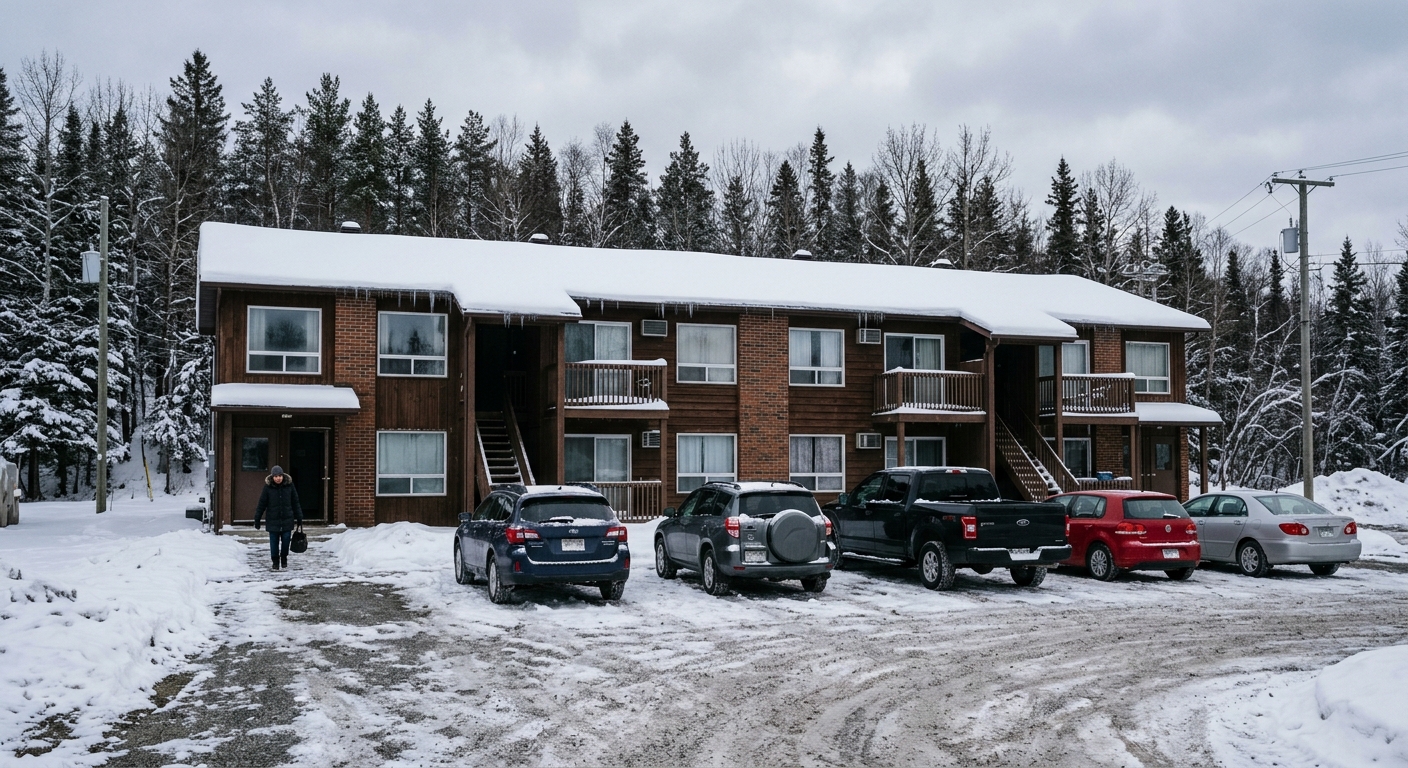
AI-generated illustration; not a photograph of the reported event.
- calendar_today October 14, 2026
Yukon Government Moves to End Rent Cap
The Yukon government, led by Premier Currie Dixon, has introduced legislative amendments to the territory's Residential Tenancies Act that would remove pandemic-era measures limiting rent increases to the rate of inflation. The bill is currently before the Legislative Assembly and, with the Yukon Party's majority, could take effect as soon as December 1.
No New Aid for Tenants Facing the End of Rent Control
Tenants affected by the end of the rent cap, as well as those facing the return of no-cause evictions, will not see new financial support from the government at this time. Premier Dixon stated that existing rental subsidies for low- and middle-income households are the only support available and noted, "We don't have any plans on making any further changes. We just increased [the subsidy] this summer." Dixon indicated that if there is a future need for further changes, his government is open to consideration, but currently, no adjustments are planned.
Concerns Raised by Housing Advocates and Opposition
The plan to allow rent increases and no-cause evictions to return has drawn criticism from housing advocates and opposition politicians, who warn that renters may face increased financial pressures in an already difficult economic climate. Kristina Craig, executive director of the Yukon Anti-Poverty Coalition, said, "We want to ensure that people who currently are renters can stay in their homes, can afford to be where they are. And if this removal of the rent cap means that they are at risk of losing that home, then that's problematic."
NDP Leader Calls for Continued Rent Cap
NDP Leader Kate White argues that the rent cap should remain in place. She contends that offering additional subsidies without limiting possible rent hikes amounts to "the Yukon Party subsidizing landlords, but in a different way." White also expressed concern that the current rental subsidy program is fully subscribed, though Helen Christiansen of the Yukon Housing Corporation stated otherwise. White maintained, "It's important that the Yukon Party say how they're going to support people who can't afford their rent. Because with these changes of removing rent control, we're going to see an increase in people not having the funds required."
Latest Data: Rent and Vacancy Rates
According to the Yukon Bureau of Statistics, median rents in the territory rose by 3.6 percent to $1,527 per month for the year ending in April 2026, closely tracking the 3.2 percent increase in the consumer price index. The territory posted a rental vacancy rate of 2.4 percent, with Whitehorse experiencing a lower rate at 1.5 percent. In real terms, only 57 rental units were vacant throughout the Yukon.
Mixed Views Among Landlords
With the end of the rent cap and no cause evictions, some expect rents to spike given the tight rental market. Despite supporting the policy shift, Lars Hartling of the Yukon Residential Landlords Association urged landlords to be measured in setting new rents. "It's important for landlords to not go out and be like, 'I got screwed over last time. I'm going to go jack rent up to what market [rent] is,'" Hartling said. "Take your time."
Ongoing Debate on Housing Affordability
The Yukon government asserts that the changes to the Residential Tenancies Act will boost the supply of rental housing in the long term by encouraging private rental investment. However, concerns persist about tenant protection, rental subsidies, and overall housing affordability as the territory prepares for the end of rent control measures.
Source: cbc.ca.


