- calendar_today August 9, 2025
As trade tensions between the United States and China escalate in 2025, Northern Canada finds itself navigating a complex economic environment shaped by global market volatility and shifting trade dynamics. The region’s economy, heavily reliant on mining, energy, and Indigenous enterprise development, is exposed to risks from tariff increases, retaliatory measures, and supply chain disruptions.
The U.S. government’s imposition of tariffs up to 54% on Chinese imports—including electronics, machinery, and industrial goods—has been met with retaliatory tariffs on U.S. exports and restrictions on rare earth mineral exports by China. These minerals are crucial to high-tech industries and clean energy initiatives, areas of growing importance for Northern Canada’s resource development and economic diversification.
Northern Canada’s Economic Exposure
Northern Canada’s unique economic profile means that the region experiences trade tensions differently than more urban provinces. Key sectors affected include:
Mining and Minerals
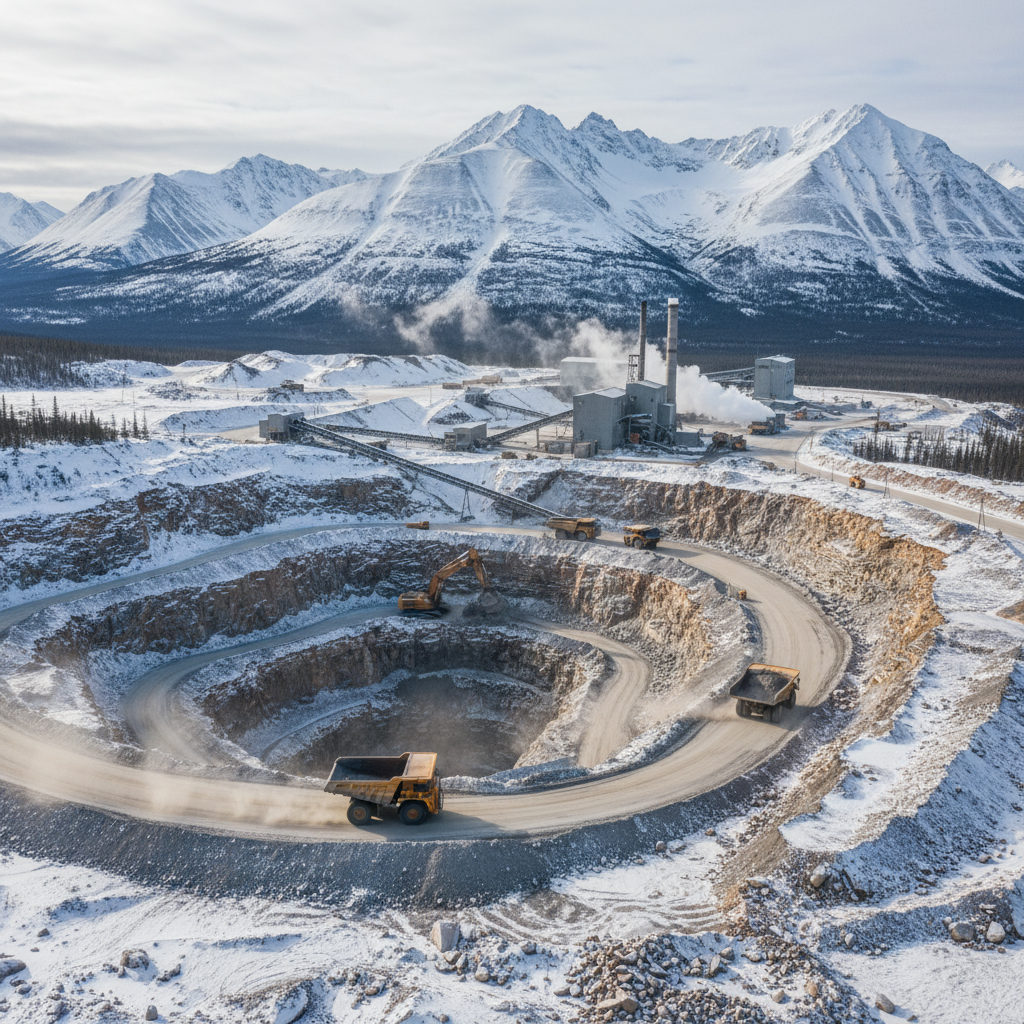
Northern Canada is rich in natural resources, including gold, diamonds, rare earth elements, and other critical minerals. The global supply chain disruptions and export restrictions on rare earth minerals have the potential to both challenge and create opportunities for the mining sector. While restricted access to Chinese markets may limit some export avenues, the global demand for minerals used in technology and renewable energy could boost the region’s mining prospects.
Energy Production
The energy sector in Northern Canada, including oil, gas, and emerging renewable projects, plays a critical role in the regional economy. Although energy exports may not be directly impacted by tariffs, global market uncertainties can influence commodity prices and investment flows. Furthermore, restrictions on rare earth elements could affect clean energy technologies planned or in development in the region.
Indigenous Economic Development
Indigenous communities in Northern Canada are increasingly involved in economic development projects spanning natural resources, tourism, and cultural industries. Trade uncertainties may affect funding and market access for these enterprises, but also present opportunities for partnerships focused on sustainable and locally driven economic growth.
What Northern Canada Investors Can Do
Given the complexities of the trade environment, investors in Northern Canada may consider several strategies:
- Diversify Investments:
Reducing concentration in sectors sensitive to global trade fluctuations and expanding holdings in local enterprises, infrastructure, and community-driven projects can reduce exposure to external shocks. - Consider Alternative Assets:
Investing in commodities like precious metals and energy resources, real estate developments, and inflation-protected instruments can provide hedges against volatility. - Stay Informed on Policy and Market Developments:
Monitoring federal trade negotiations, Indigenous economic initiatives, and corporate performance is vital for making timely, informed investment decisions. - Focus on Sustainable and Innovative Ventures:
Supporting projects that emphasize sustainability, clean energy, and innovation aligns with global trends and local priorities, potentially yielding long-term growth.
Embracing Resilience and Opportunity
The 2025 U.S.–China trade tensions underscore the interconnectedness of Northern Canada with global markets, despite its geographic remoteness. While challenges such as market uncertainty and supply chain disruptions persist, Northern Canada’s abundant resources and growing focus on sustainable development provide pathways to resilience.
Investors who adopt a flexible, diversified approach and remain engaged with evolving market and policy conditions will be well-positioned to manage risks and capture emerging opportunities in this dynamic region.