- calendar_today July 4, 2026
In Toronto Metro, a growing number of scientists and educators are advocating for a deeper appreciation of insects, challenging commonly held fears and misconceptions. These experts argue that insects are not only omnipresent in urban and rural settings alike, but also crucial players in maintaining ecosystem balance and supporting community health.
Understanding Beneficial Insects in Toronto Metro
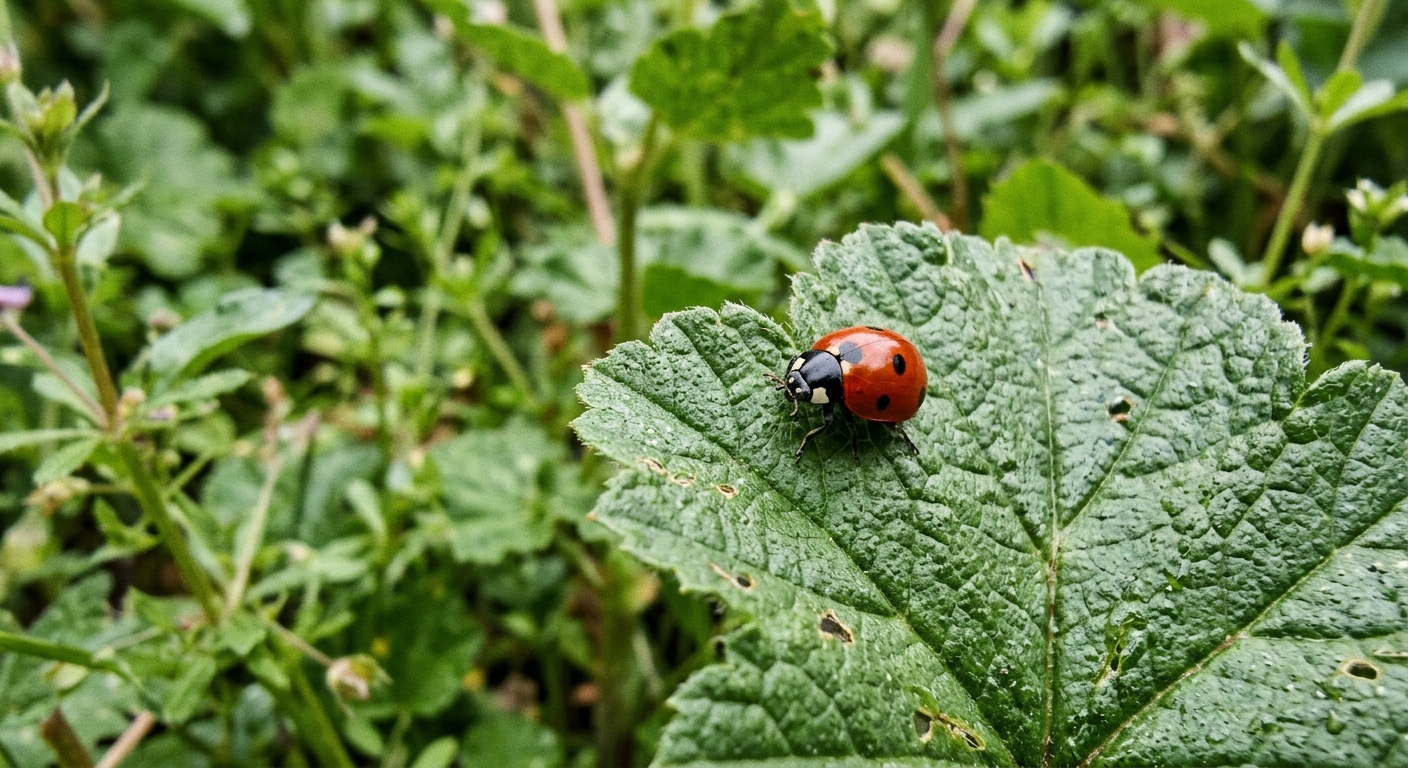
While many residents associate bugs like wasps or ants with discomfort or even fear, researchers stress that a majority of species are beneficial insects. These creatures perform vital insect roles—from pollination of crops and flowers in neighborhood gardens to enabling natural pest control across agricultural and green spaces.
The Origins and Impacts of Insect Fear
Much of the pervasive insect fear can be traced to early childhood experiences and reinforced by cultural messaging and media depictions. Experts note that negative narratives overshadow the fact that insects, in their diversity, generally pose minimal risk to humans and instead offer a host of environmental benefits. This misunderstanding can hinder efforts to conserve biodiversity and foster insect stewardship within local communities.
Recognizing the Value and Risks of Insect Diversity
It is important to recognize that while some invasive species do threaten local habitats and economies by outcompeting native insects, most species in Toronto Metro underpin resilient ecosystems. Maintaining a variety of insects supports overall habitat health and buffers against biodiversity loss. Local conservation groups are encouraging greater public awareness of the advantages provided by native insects compared to the disruptions caused by invasives.
Gardening Techniques and Environmental Benefits
Practical strategies such as companion planting are gaining traction among urban gardeners in the region. By intentionally grouping certain plants, residents can attract pollinators and beneficial insects to their gardens while deterring pests without the use of chemicals. This supports both local food production and broader environmental goals aligned with natural pest management approaches.
Indigenous Perspectives and Stewardship Practices
Local Indigenous teachings encourage reciprocal care and stewardship, advocating for mindful relationships with all living things, including insects. These perspectives promote a holistic outlook, recognizing the interconnectedness of all species and the collective responsibility for sustaining healthy ecosystems.
Education as a Tool for Balanced Coexistence
Educational initiatives across Toronto Metro seek to shift perceptions around insects, moving beyond fear-based responses toward a mindset that values insects as environmental allies. Residents are encouraged to observe insect behavior in gardens and parks, learning firsthand how insects contribute to pollination, species diversity, and the balance of natural systems.
A Call to Appreciate and Protect Local Insects
Researchers urge community members to take time to understand the critical roles insects play in everyday life. Through insect stewardship and awareness, Toronto Metro can help lead efforts to prevent biodiversity loss and embrace sustainable living practices that respect all members of the ecosystem. Ultimately, shifting societal perspectives can help ensure that insects continue to enrich the region’s natural environments for generations to come.