- calendar_today April 28, 2026
Sustainable Building Materials: Regional Future Outlook
As climate change accelerates, the construction industry faces increasing scrutiny regarding its role in sustainability. You might find it fascinating to learn how the landscape of sustainable building materials is evolving across different regions. With innovative technologies and growing consumer awareness, we predict significant shifts in how materials are sourced, manufactured, and implemented. Let’s delve into what this means for the future of sustainable building in regional markets.
The Rise of Conscious Consumerism
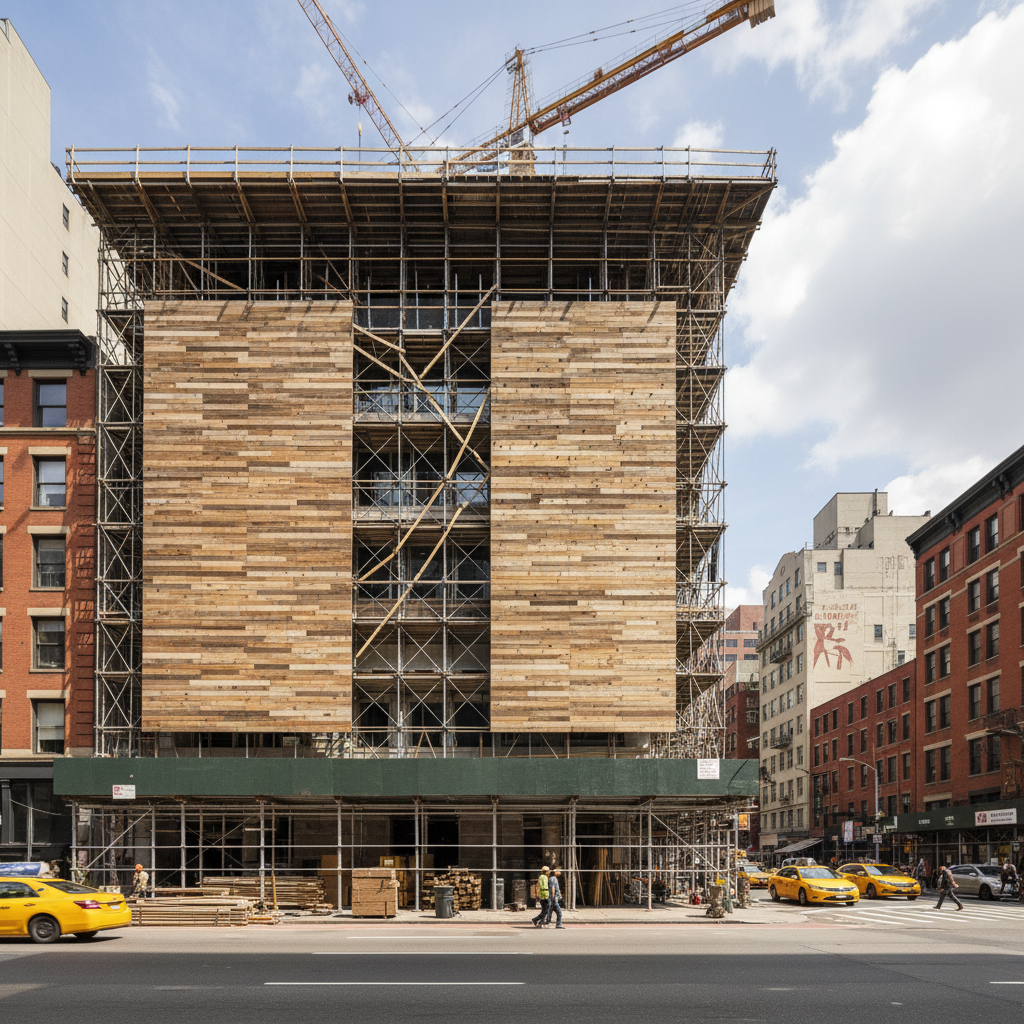
Across the globe, a notable trend is emerging: consumers are becoming more conscious of their purchasing decisions. You might have noticed this shift in various markets, where buyers demand transparency in sourcing and manufacturing processes. Sustainable building materials, such as bamboo, reclaimed wood, and recycled steel, aren’t just novelties anymore; they’re becoming essential in residential and commercial projects.
Impact on Regional Markets
What’s intriguing is how this conscious consumerism manifests differently based on local cultures, economies, and regulatory environments. For instance, in Europe, where environmental regulations are stringent, builders are increasingly opting for materials that meet these demands. Countries like Germany lead the way with stringent standards governing energy efficiency and sustainable sourcing.
In contrast, regions like North America are witnessing a slow but steady transition. As more consumers prioritize sustainability, producers are recognizing the need to adapt. According to a recent study by the Associated Builders and Contractors, over 60% of contractors are now integrating at least some sustainable materials into their projects. You may find this rise conducive to enhancing your building projects.
Technological Advancements and Local Innovation
The integration of technology in the construction sector is also pivotal in shaping the future of sustainable building materials. Emerging innovations like 3D printing, which allows for the use of lower-impact materials, are gaining traction across various regions.
Examples of Regional Innovation
Take for example, the push for green building certifications in the United States. The U.S. Green Building Council promotes LEED (Leadership in Energy and Environmental Design) as a standard for sustainability. Local builders are incentivized to adopt sustainable practices not only to earn certifications but to meet market demand.
In other parts of the world, such as Southeast Asia, local innovations play a significant role. You might be surprised to learn how countries like Indonesia are harvesting natural materials and creating eco-friendly composites to meet local market needs. The embrace of technology and regional resources blends seamlessly to promote sustainability.
Government Regulations and Initiatives
Government influence cannot be overlooked in the conversation about sustainable building materials. Policies and incentives at both national and local levels guide the industry’s direction. These regulations often dictate the types of materials permitted in construction, influencing market dynamics greatly.
Regional Examples of Regulation-Driven Change
Take California, for instance. The state has enacted bold legislation aimed at reducing greenhouse gas emissions through construction practices. By setting ambitious goals, California has spurred the adoption of sustainable materials across the region. In fact, the California Air Resources Board noted a significant increase in the usage of materials like recycled concrete and sustainable timber in building projects.
Meanwhile, the European Union is pushing its Green Deal, targeting entire economies to shift towards sustainable practices. You may see how such regulations can ripple into regional markets as nations adapt their own standards. It’s a fascinating time to watch how construction adapts.
The Role of Industry Players
Key players in the construction market, including suppliers and retailers, have a crucial role in advancing sustainable materials. Distribution channels are evolving, with larger companies, like Home Depot, partnering with sustainable brands while creating robust educational programs for consumers.
Case Studies of Supplier Initiatives
Home Depot, for instance, has committed to sourcing more sustainable products by 2025. You might find it interesting how such corporate commitments encourage widespread adoption of sustainable materials in the building industry. The housing market in regions where Home Depot operates is also likely to experience an uptick in demand for eco-friendly products, driven by consumer preferences.
This interconnection between supply chains and consumer demands is vital for pushing the movement forward. When consumers actively seek out sustainable options, suppliers must adapt, leading to an ecosystem where sustainable choices are the norm.
The Future: Trends to Watch
As we look into the future, several trends could shape the landscape for sustainable building materials in regional markets. Energy efficiency, circular economy principles, and biophilic design will likely dominate discussions.
Anticipated Regional Variations
In regions with a strong tradition of outdoor living, like the Mediterranean, we expect a higher emphasis on materials that enhance indoor-outdoor flow, such as sustainable timber and breathable building materials. Conversely, in cold climates, energy-efficient insulation materials will be at the forefront.
Mimicking nature’s patterns, biophilic design will also gain traction. This involves designing buildings that connect occupants with nature, promoting well-being and sustainability. Expect to see regional adaptations of these trends as local preferences blend with global shifts.
Conclusion
The future of sustainable building materials is bright and evolving across various regional markets. You can expect ongoing changes propelled by consumer demand, technological advances, and government regulations. By staying informed and adaptable, you can be part of the movement toward a more sustainable future in construction. Will you support the shift towards sustainable choices in your next building project?