- calendar_today April 22, 2026
The U.S. Supreme Court has delivered a decisive ruling impacting the fate of the Line 5 pipeline, a key energy corridor with significance for communities across Toronto Metro and the greater Great Lakes region. In a unanimous decision, the Court found that Enbridge, operator of the controversial pipeline running beneath the Straits of Mackinac, exceeded the legal time frame to transfer a longstanding Michigan lawsuit to federal court, affirming the state’s jurisdiction in a closely watched legal battle.
Background of the Line 5 Pipeline Legal Dispute
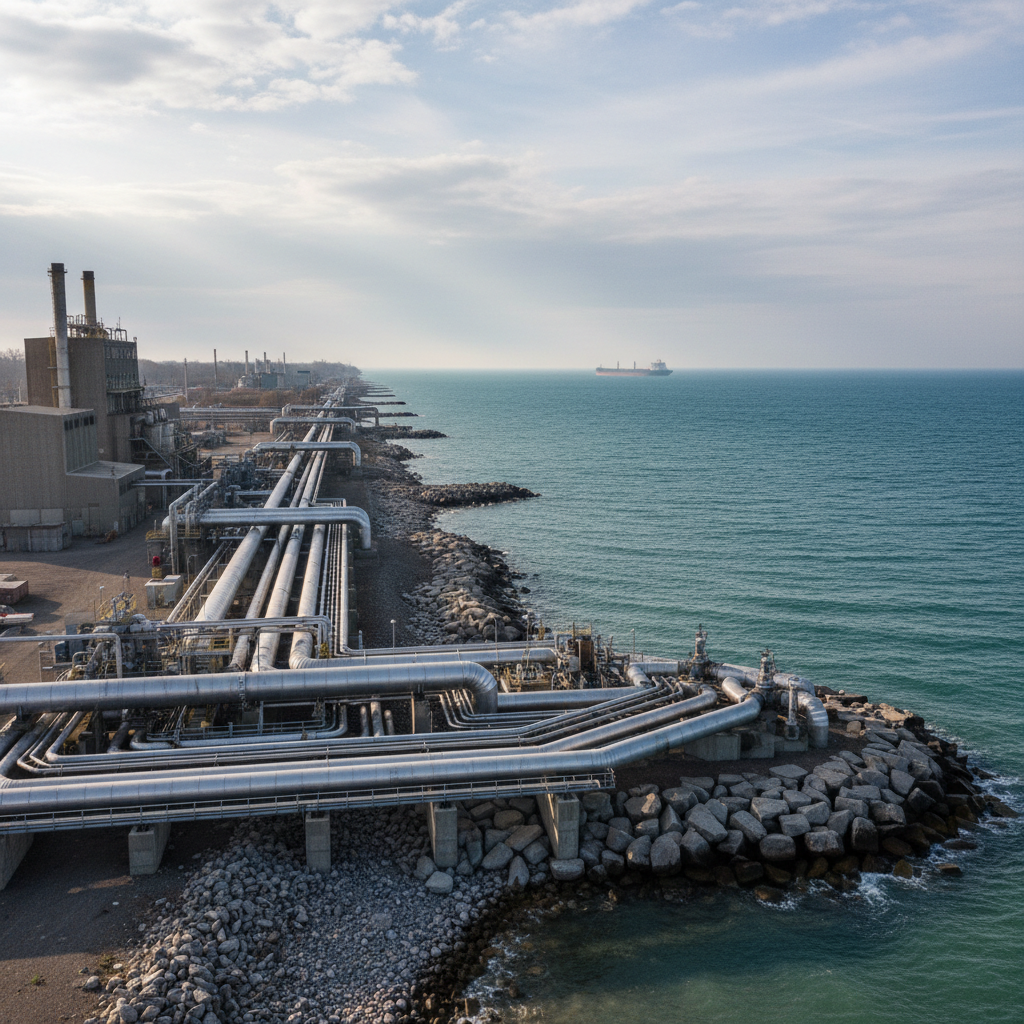
The case centers on a 6.4-kilometer section of the Enbridge pipeline that traverses underwater through the Straits of Mackinac, linking Lake Michigan and Lake Huron. Michigan Attorney General Dana Nessel initiated legal action in 2019, challenging the pipeline’s safety and seeking to nullify the pipeline easement that allowed operations to continue. These actions were spurred by mounting environmental concerns, following incidents of physical damage to the pipeline in 2018 and earlier revelations about protective coating gaps dating back to 2014.
Jurisdictional Showdown: State vs. Federal Authority
At the core of the conflict was Enbridge’s attempt to move the michigan lawsuit into the federal judicial system, contending that federal court jurisdiction was appropriate given the pipeline’s cross-border importance. However, Michigan’s argument prevailed: it was found that Enbridge missed the statutory deadline for such a transfer. Both lower courts and, ultimately in 2026, the Supreme Court confirmed that the transfer was untimely, leaving proceedings under state purview.
Impact on Toronto Metro and Regional Stakeholders
For communities in Toronto Metro, the line 5 pipeline remains a vital energy link, but also a source of debate regarding environmental stewardship and regional autonomy. The pipeline’s future holds direct implications for fuel supply security, cross-border trade, and the ongoing dialogue between Canadian and U.S. stakeholders on pipeline safety and oversight. The Supreme Court’s decision affirms the role of state governments in policing infrastructure that affects the Great Lakes pipeline network, with ripple effects likely to be felt on both sides of the border.
Safety, Shutdown Orders, and Environmental Challenges
Persistent questions about pipeline safety have shaped the legal and political landscape. Following the 2018 incident and previous violations involving pipeline permits and protective coatings, a state judge ordered a pipeline shutdown, yet allowed continued operations under heightened monitoring. Meanwhile, Michigan’s government has moved to revoke the pipeline easement, prompting Enbridge to seek new federal approvals for constructing a protective tunnel that could address some safety and environmental concerns.
Federal and Tribal Developments in Wisconsin
Legal scrutiny is not confined to Michigan. In Wisconsin, a federal court mandated Enbridge to shut down another section of the line 5 pipeline that crosses Native American land, citing unresolved issues with pipeline easement agreements. Enbridge is now pursuing permits to reroute this segment, adding complexity to the overall regulatory landscape. These concurrent developments highlight the intricate balance between energy needs, indigenous rights, and environmental protection throughout the Great Lakes region.
Looking Forward: Regional Implications and Ongoing Disputes
The Supreme Court’s affirmation of state authority over the enbridge pipeline marks a pivotal chapter in the protracted debate over the line 5 pipeline. For Toronto Metro, which maintains close economic ties to the pipeline’s output, the outcome reemphasizes the interconnected nature of energy infrastructure, legal jurisdiction, and environmental stewardship. With multiple disputes still active—spanning pipeline shutdown orders, new pipeline permits, and persistent environmental concerns—the region is poised to remain at the heart of North America’s broader conversation about aging pipeline infrastructure and Great Lakes protection.