- calendar_today August 29, 2025
Northern Canada, long accustomed to demonstrating toughness in the teeth of brutal climes and economic remoteness, is at last getting a welcome respite. As inflation rates continue to decline nationwide, the territorial economies of Yukon, Northwest Territories, and Nunavut are appearing brighter than they have in years.
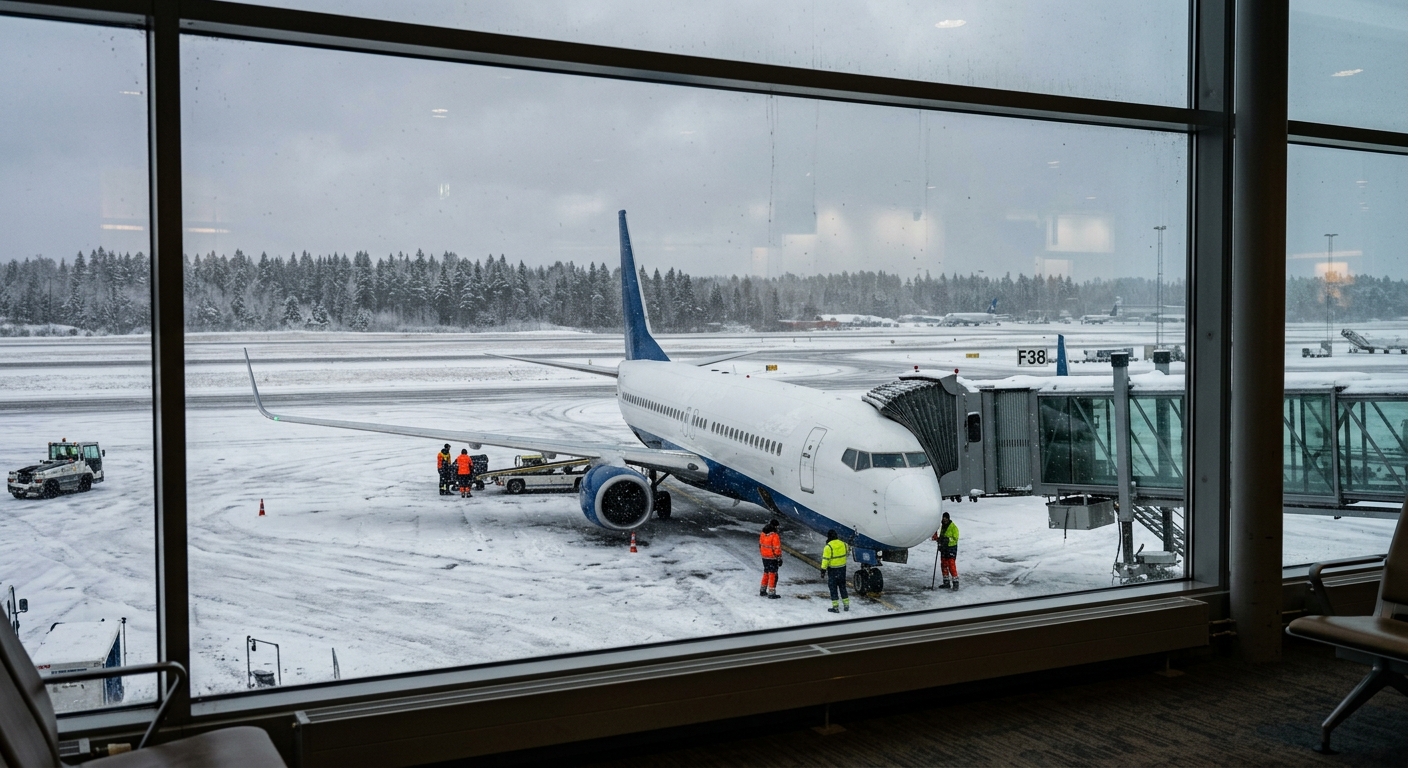
While problems persist, the easing of cost pressures is allowing local economies to breathe easier, stabilizing prices and allowing residents the opportunity to catch up financially. In cities where all the way down to fuel costs usually costs far more than in the remaining parts of Canada, this release of inflation is not merely good news—it’s a necessity.
Signs of Economic Stability
In the last year, inflation in most of Canada has slowed, and the North is no different. Prices on such staples as food, gasoline, and construction materials—items that are inevitably more costly because of the high price of transportation—are starting to level off. Far from cheap, anything in the North is still, but the spectacular monthly increases of earlier years have tailed off.
This implies families can more effectively plan their expenses, and businesses in the community can make more stable decisions about inventory, prices, and staffing. The added stability is creating guarded optimism, especially in major industries such as construction, energy, and mining.
Impact on Households
North Canadian inflation has consistently hit the hardest than anywhere else in Canada. The mix of remoteness, harsh weather, and contracted supply chains tends to create outrageous prices on the simple necessities. Reducing inflation is more than reduced bills—it is having more on the table, homes that are warmer in the winter, and more peace of mind for families.
Increased Access to Credit
Many of the households that have been strained to the limit are now starting to enjoy a modest increase in their purchasing power. The relief comes particularly in rural Indigenous communities, where economic inequality is already severe and the cost of living is as much as twice that of large southern cities.
Boost for Small Businesses
As inflation has eased, Northern Canada’s small and medium-sized enterprises have started to rebound from the shock of recent years. Supply chains are slowly healing, and import costs have declined, though minimally. That’s welcome news for local retailers, tradespeople, and tourism operators, who now have a little more ease in balancing their books.
The area’s singular experiences—such as aurora observation, dog sledding, and culture tours—are generating more interest once again as travel recovers and customers throughout Canada grow increasingly comfortable spending.
Government Support and Infrastructure
Government spending remains a key driver of Northern economic growth. With easing inflation, projects that had been halted by runaway material prices are resuming. Spending on housing, highway building, and telecommunications infrastructure is not only upgrading communities but also generating badly needed employment.
Specifically, Yukon and Nunavut public housing projects are being initiated or expanded, enhancing the standard of living and creating jobs for local trades. Likewise, education and healthcare initiatives are receiving new life as construction budgets go further in an improving cost environment.
Mining and Energy: Leading Economic Development
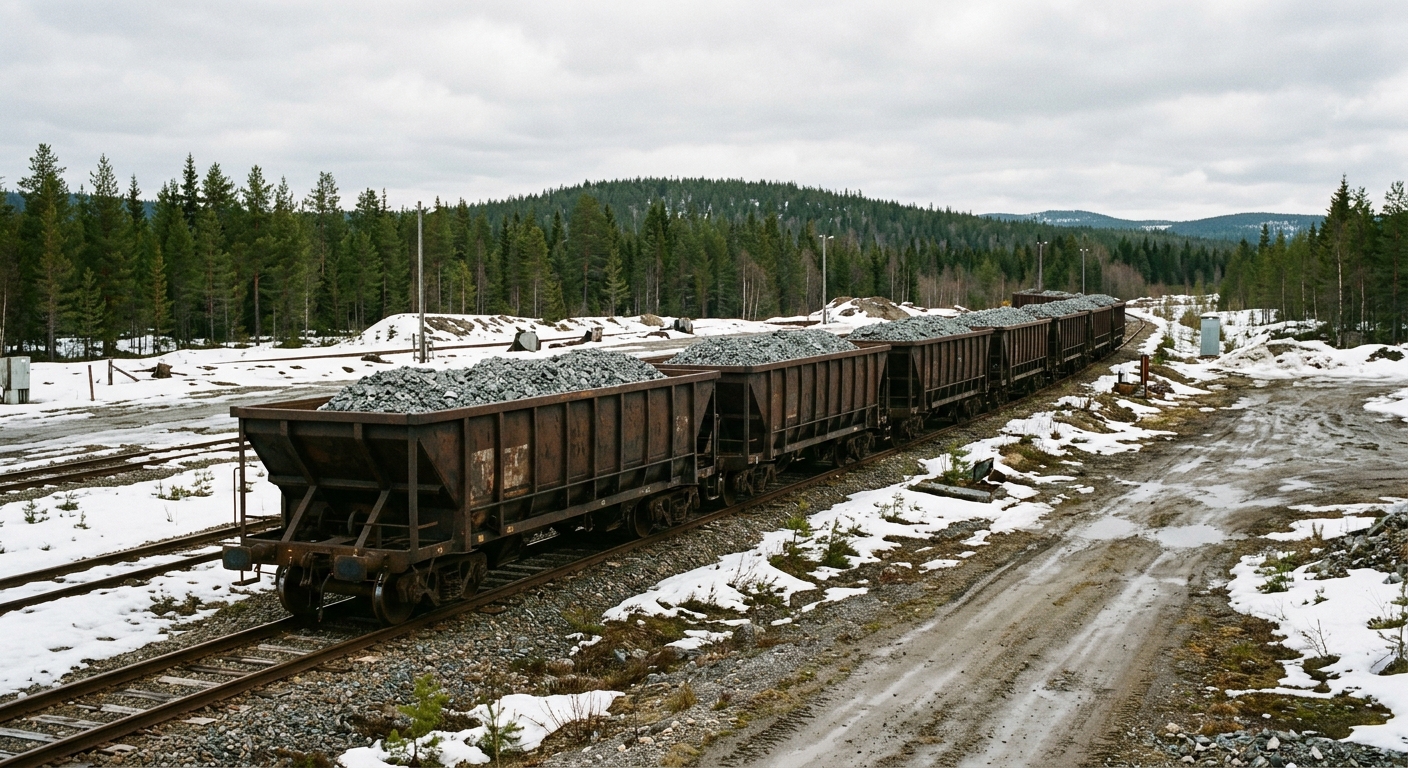
Mining continues to be one of the mainstays of Northern Canada’s economy, and reducing inflation has set the stage for the industry. Reduced fuel, equipment, and labor costs are increasing profit margins and causing firms to invest in exploration and expansion.
Nunavut’s iron ore and gold projects and Northwest Territories’ diamond mines are gradually increasing production once again. In addition to providing jobs, these sectors also boost the local economy with service contracts, training initiatives, and Aboriginal partnerships.
The alternative energy industry, as well, is making inroads. As fuel and transportation prices decline, wind and solar initiatives in isolated communities become increasingly feasible—providing clean alternatives to diesel generation and lowering long-term energy expenses.
Long-Term Outlook: Cautious but Encouraging
While the economic situation in Northern Canada is strengthening, it should not be exaggerated. The region continues to have a lot of challenges—harsh climates, poor access to infrastructure, poverty in certain populations, and dependency on expensive air transport for services.
However, with inflation cooling and economic activity picking up, there’s reason for hope. Governments, businesses, and communities are working together to invest wisely, promote local hiring, and build long-term resilience.
If inflation continues to ease, and support remains strong for infrastructure and social services, Northern Canada could see one of its most stable economic periods in recent memory.
Final Thoughts
Northern Canada’s economic resilience has long been provided by its people—resilient, industrious, and deeply rooted in the land. With inflation now receding and opportunity growing, the territories are now poised to forge a more prosperous and sustainable future.
The path forward isn’t without challenge, but with consistent leadership and informed investment, the North is showing once again that even in the harshest weather conditions, growth and tenacity are possible.