- calendar_today August 10, 2025
Agriculture in Northern Canada, particularly in regions like the Yukon and parts of the Northwest Territories, remains a vital component of local economies. While the sector is not as expansive as in southern provinces, it plays a crucial role in food security and cultural preservation.
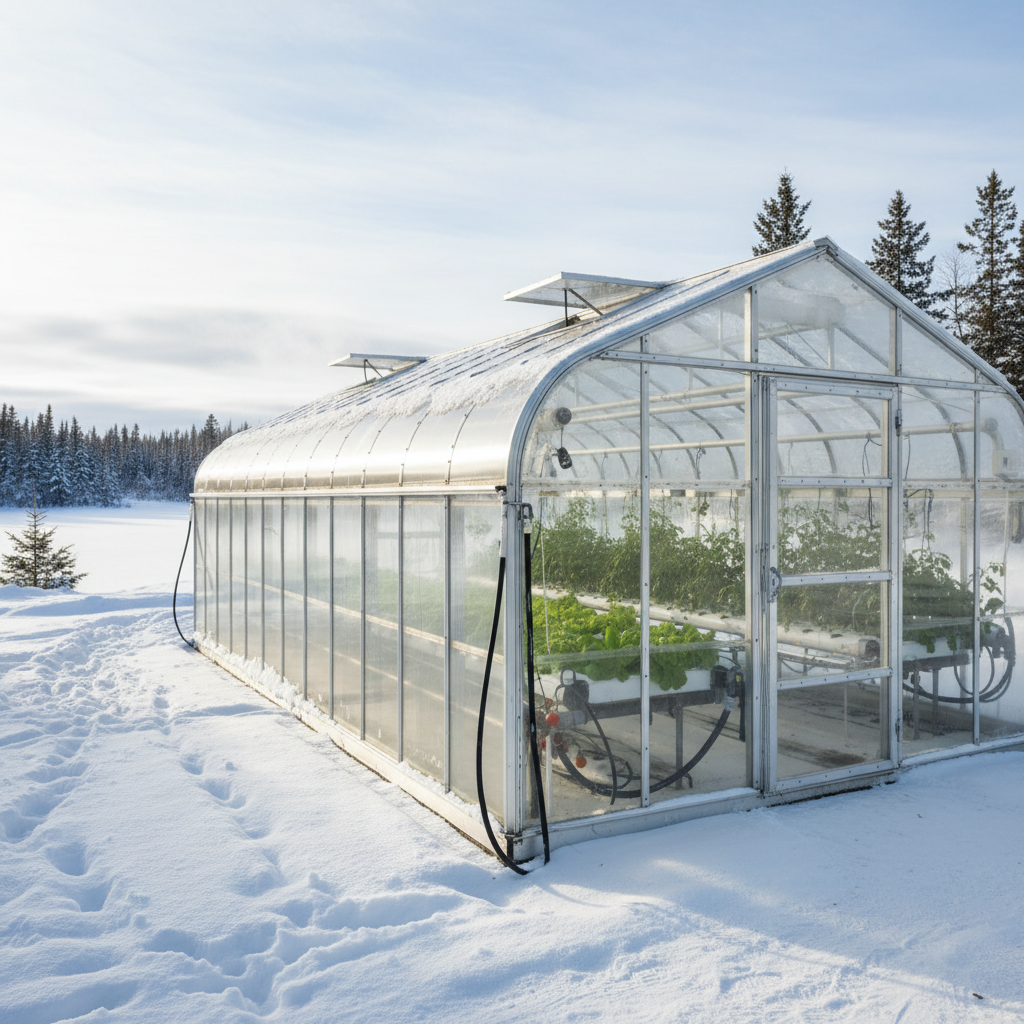
In 2025, Northern farmers face challenges due to global trade tensions, which have led to increased costs for imported farming equipment and supplies. Despite these hurdles, initiatives are underway to promote sustainable agricultural practices and local food production. Community greenhouses and hydroponic systems are gaining traction, aiming to reduce reliance on imports and enhance food sovereignty.
The Canadian Northern Economic Development Agency (CanNor) continues to support agricultural projects that focus on innovation and sustainability, recognizing the sector’s importance in the North’s economic fabric.
Tourism: Embracing Cultural Heritage and Natural Wonders
Tourism remains a cornerstone of Northern Canada’s economy, with the territories offering unparalleled natural beauty and rich Indigenous cultures. In 2025, the tourism sector is experiencing a resurgence, driven by domestic travelers seeking unique experiences and international visitors drawn to the allure of the North.
Nunavut, for instance, showcases its vast landscapes and Inuit heritage, attracting adventure tourists and cultural enthusiasts. Activities such as wildlife viewing, including polar bear and beluga sightings, as well as kayaking and hiking, are popular among visitors. The region’s commitment to preserving its natural environment and cultural traditions enhances its appeal as a sustainable tourism destination.Wikipedia
The Yukon and Northwest Territories also report increased tourist activity, with events like the Northern Lights festivals and Indigenous cultural exhibitions drawing crowds. Investments in tourism infrastructure and marketing campaigns are contributing to the sector’s growth, providing economic opportunities for local communities.
Technology: Advancing Connectivity and Innovation
Technology is playing an increasingly significant role in Northern Canada’s economic development. Efforts to improve digital connectivity are facilitating access to education, healthcare, and business opportunities in remote communities.
Renewable energy projects are at the forefront of technological advancements in the North. Communities are exploring the integration of solar and wind energy systems to reduce dependence on diesel generators, aiming for more sustainable and cost-effective power solutions. These initiatives not only address environmental concerns but also create jobs and stimulate local economies.
Furthermore, support for innovation and entrepreneurship is growing, with programs designed to nurture tech startups and Indigenous-led enterprises. These efforts are fostering a culture of innovation, positioning the North as a region of opportunity and growth in the technology sector.
Economic Outlook: Building Resilience Through Diversification
Northern Canada’s economy in 2025 is characterized by resilience and adaptability. While global trade tensions and environmental challenges pose risks, the region’s commitment to diversifying its economic base is evident.
Investments in agriculture, tourism, and technology are creating new avenues for growth, reducing reliance on traditional industries and external markets. Collaborative efforts between governments, Indigenous communities, and private sectors are essential in driving sustainable development and ensuring long-term prosperity.
As Northern Canada continues to navigate the complexities of the global economic landscape, its focus on innovation, cultural preservation, and environmental stewardship positions it as a model for resilient and inclusive economic development.