- calendar_today August 12, 2025
Northern Canada industry and business organizations closely observe how Trump’s changes in the trade policy can potentially influence major sectors such as mining, energy, agriculture, and investment.
Introduction
Northern Canada is bracing itself for a wave of economic uncertainty following recent changes in U.S. President Donald Trump’s trade policies. With new tariffs and revised trade agreements on the books, provincial investors, entrepreneurs, and government officials are waiting to see how the changes can impact the regional economy—specifically in the exportation of resources, manufacturing, and general development.
How the Market Is Reacting
Trade policy shifts are provoking mixed reactions from investors and business leaders across Northern Canada. For an economy built largely on trade and resource development, the impact could be significant.
Stock Market Volatility: Investors are dealing with greater market uncertainty, making long-term planning more difficult.
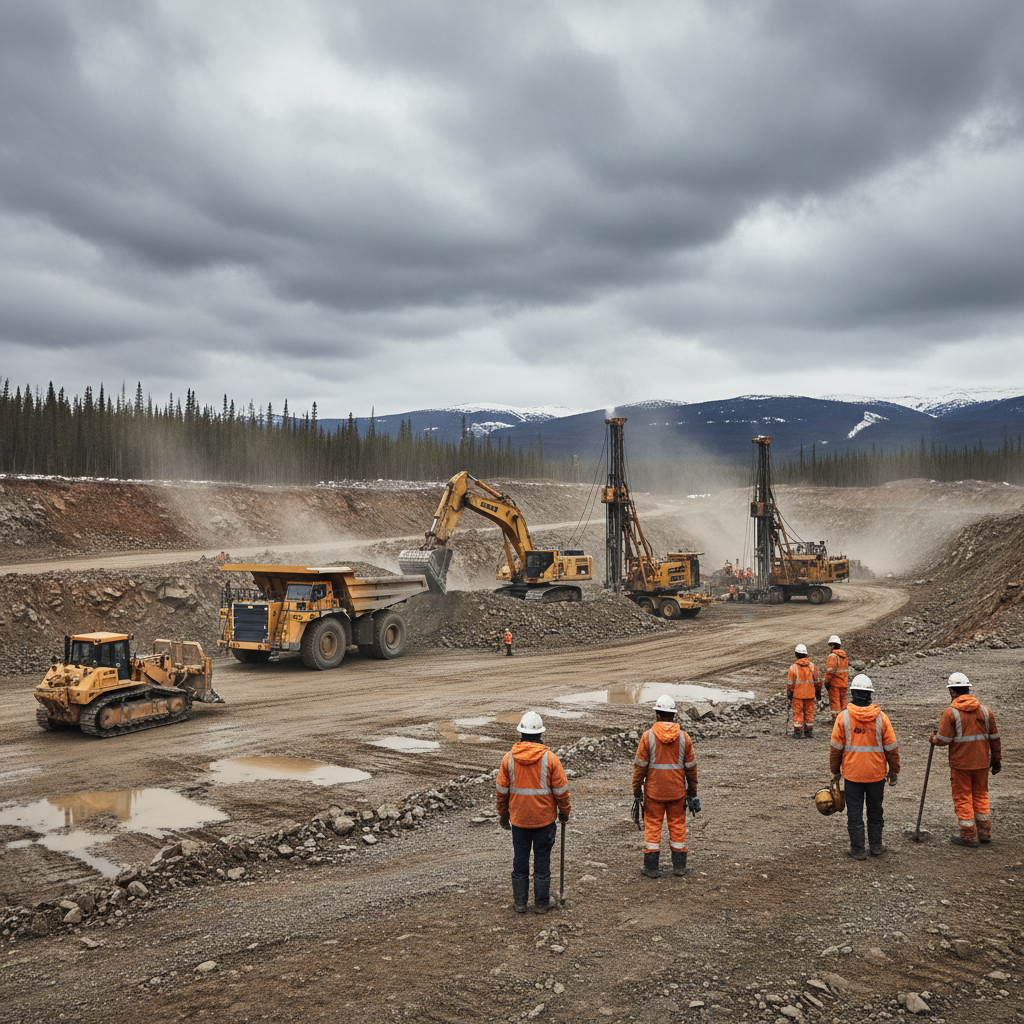
Natural Resource Industries in the Crosshairs: The mining, forestry, and energy industries are getting ready for possible supply chain interruptions, increased equipment prices, and changes in export demand.
Increase in Consumer Prices: With additional tariffs on foreign imports, local businesses can be hurt by increased costs that can be passed on to increased commodities for the mass consumer.
Sweeping Trade Policy Reforms Affecting Northern Canada
Trump’s trade policy management has some broad changes that are already reshaping Canada’s north country:
Tariff Hikes: Most companies are experiencing cost increases as a result of increased tariffs on machinery, industrial parts, and raw materials.
Trade Agreement Adjustments: Adjustments to trade deals like NAFTA (now USMCA) have imposed new rules and complications on cross-border commerce with the U.S.
Policy Response Required: Local policymakers and industry stakeholders are actively crafting strategies to shield the economy and support businesses in dealing with this difficult situation.
Expert Insights: What Analysts Are Saying
Northern Canadian economists and business professionals are projecting what these changes could portend in the long term:
Shifting Business Models: Most businesses are reassessing supply chains, contracts, and global connections in a bid to be nimble.
Retail Industry Challenges: High-volume retailers in the retail industry are concerned with supply of products and increasing prices that can curtail consumer demand.
Uncertainty of Investment: Continual market fluctuations have caused some investors to reconsider their strategy in order to lower exposure to risks associated with trade.
Most Affected Industries
The economy of Northern Canada significantly depends on natural resources and global trade. These industries might be most affected:
Mining and Energy: The world trade manages these industries. Tariffs and decreased demand by foreign partners might increase losses and decrease output.
Agriculture and Exports: Although less in the provinces in the south, Northern Canada’s agriculture and export industries also face new barriers to trade ahead.
Retail and E-Commerce: With cross-border activity along supply chains, retail outlets and online retailers can expect delays, increased costs, and price problems.
Looking Ahead: Trends to Watch
With trade tensions escalating, Northern Canada’s economy needs to anticipate what is coming next. Major trends are:
Inflation and Price Increases: Rising inflation of products and raw materials could cause inflation, impacting consumer spending as well as businesses’ bottom lines.
Global Trade Partnerships: Businesses could begin diversifying away from American dependence, seeking out new trade partnerships in Europe, Asia, and elsewhere.
Market Volatility: Constant political instability and trade treaties can potentially continue to rattle financial markets and dictate investor sentiment.
Northern Canada is watching closely the impact of Trump’s changing trade policies. From energy and mining to retailing and investment, businesses throughout the region are trying to adjust. While protectionist measures will work to advantage some companies, others must deal with increasing expenses and new trade obstacles. As events keep evolving, Northern Canada is keeping in mind remaining competitive and finding new means of ensuring economic growth.