- calendar_today August 11, 2025
U.S. Interest Rate Stop Sparks Reactions in Canadian North
The U.S. Federal Reserve’s move recently to leave its benchmark interest rate in the 4.25%–4.50% range has attracted significant notice—not just inside the United States but also among nations economically integrated with it. Specifically, areas such as Northern Canada, with close connections to international commodity markets and high dependence on imports, are now starting to evaluate how the Fed’s policy stance might affect their economic paths. In the face of ongoing global inflation, tenuous supply chains, and geopolitical tensions, the policy hold is both a pause and a call to readiness.
Diverging Monetary Policies and Economic Implications
While the Federal Reserve keeps rates firm in a bid to observe inflation and economic strength, Canada’s Bank of Canada went the opposite way earlier this year. On March 12, 2025, the BoC cut its policy interest rate by 25 basis points to 2.75%, a move aimed at stimulating economic growth and boosting liquidity in a weakening domestic market. This policy divergence paves the way for a number of important economic impacts, especially for Northern Canada.
Fluctuations in Exchange Rates and Import Prices
One of the immediate consequences of varying interest rates is the variation in the CAD-USD exchange rate. With the widening interest rate difference between the U.S. and Canada, capital inflows can be more likely to prefer higher-yielding U.S. assets, which can depreciate the Canadian dollar. This has direct implications for Northern Canada:
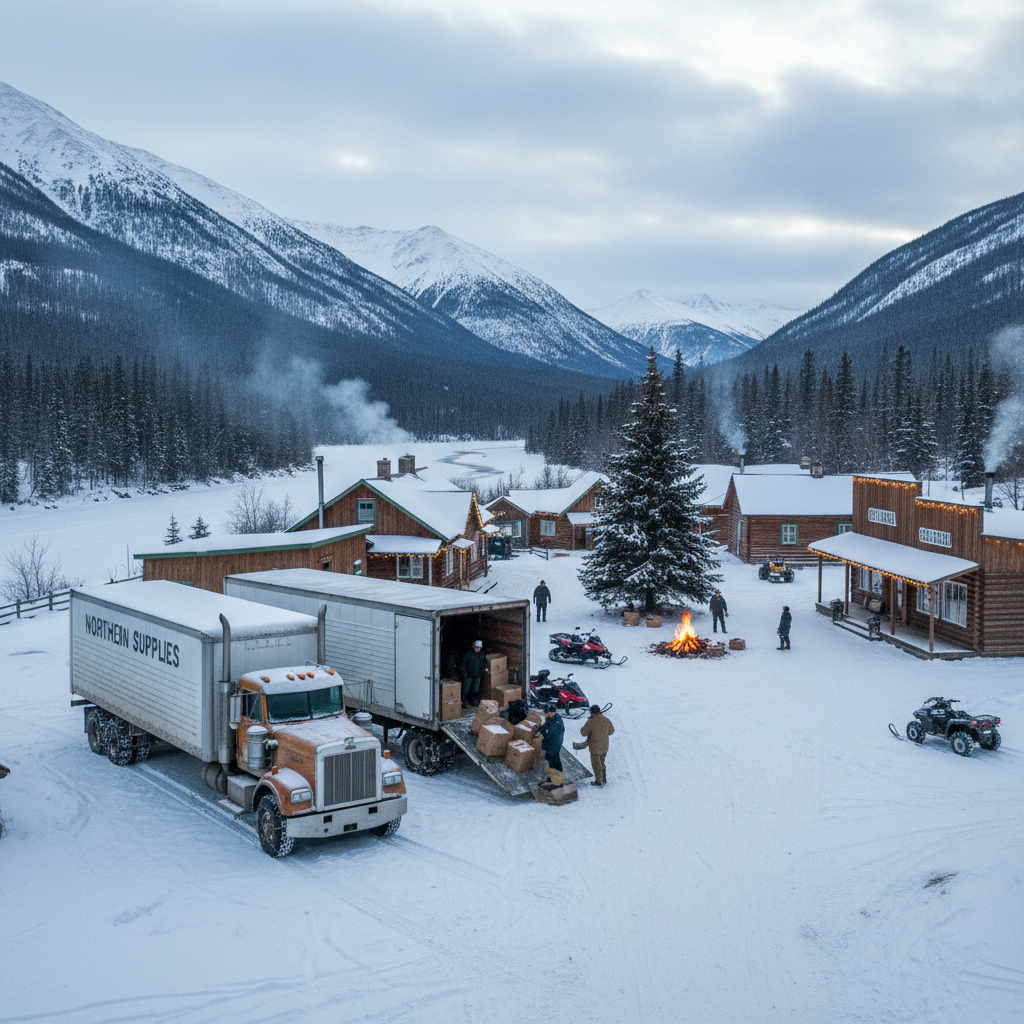
Imported Products: Northern communities depend predominantly on imported products to provide everything from fuel to groceries. A declining Canadian dollar makes such products costlier, placing additional pressure on family budgets.
Cross-Border Commerce: Companies that are located on the U.S. border or conduct export-oriented operations may face lower competitiveness, increasing the cost of doing business offshore.
Inflationary Pressures and Supply Chain Volatility
In accordance with the Organization for Economic Cooperation and Development (OECD), higher U.S. tariffs and tighter monetary policy are expected to make global growth more sluggish and inflationary pressures increase. Northern Canada is most at risk of being affected by these forces because it has:
Logistical Challenges: Remote and rural areas have already high transport and distribution expenses.
Limited Local Production: An over-reliance on international and southern suppliers increases the exposure of the area to worldwide price fluctuations.
Regional Economic Considerations
Resource-Based Industries Under Pressure
The economy of Northern Canada is spurred predominantly by natural resources such as mining, oil, gas, and forestry. These industries are directly affected by commodity prices, which, in turn, are impacted by global demand, currency fluctuations, and interest rate levels. A persistent high interest rate environment within the U.S. would:
- Slower global growth and lower commodity demand.
- Raise the cost of doing business and financing for capital-intensive resource projects.
- Influence reluctance among international investors who want to invest in Canadian mining and energy projects.
Tourism and Seasonal Industries
Tourism, including eco-tourism and Indigenous cultural experience travel, is central to Northern Canada’s economic base. Elevated interest rates and world economic uncertainty will lower international tourist discretionary expenditure. A softer Canadian dollar could discourage Canadian-bound trips while stimulating inward-bound tourist attraction, creating an uncertain collection of results for Northern Canada’s domestic tourism market.
Cost of Living Challenges
Because of geographical isolation, Northern communities already have some of the highest costs of living in the nation. From food and heating to transportation and medicines, dollar-driven price hikes and inflationary imports affect these areas disproportionately. This may widen existing disparities and place more demands on local governments and community support networks.
Government and Policy Responses
With these pressures in mind, Canadian policymakers will likely weigh a variety of responses suited to the special needs of the North:
- Fiscal Stimulus Targeted: This may include direct subsidies to needy households and subsidies to mitigate increasing import costs.
- Investment in Regional Infrastructure: Building out transportation and energy infrastructure can lower logistical costs and enhance regional self-sufficiency.
- Support for Resource Industries: Public loan guarantees, tax incentives, and public-private partnerships can stabilize resource development projects that are suffering from financing issues.
- Collaboration with Indigenous Communities: Representation for Indigenous people during policymaking is necessary in order to achieve fair development and a responsive plan.
Strategic Outlook: Navigating an Uncertain Economic Horizon
While the Fed watches data before making its next move, governments and businesses across Northern Canada have to be adaptable and visionary. The resilience of the region will depend on its capacity to:
- Keep track of inflation trends and fine-tune pricing accordingly.
- Diversify regional economies to free themselves from dependency on imports and international commodities.
- Invest in skill-building, especially in the technology and renewable energy sectors.
- Foster regional innovation by collaborative partnerships between private and public sectors.
Conclusion
The U.S. Federal Reserve’s interest rate hold has not only echoed across various sectors on Wall Street, but also echoes into the economy of Northern Canada as a call to prepare, not panic. The ripple effects of the economic impacts of monetary policy changes extends to the global level to touch resource sectors, communities, and consumers. As uncertainty continues to define global markets, resilience, flexibility, and cooperation will be essential in navigating Northern Canada through the tempest and capturing new opportunities in the changing economic context.