- calendar_today August 10, 2025
Northern Canada’s Economy Reactions to Market Growth with Tariff Adjustments That Bring New Opportunity
The latest surge in Dow Jones futures triggered by Donald Trump’s announcement of tariff flexibility is catching attention throughout Northern Canada. This immense territory, including Yukon, the Northwest Territories, and Nunavut, is dependent on natural resource extraction, logistics of trade, and low-order businesses—all equally responsive to changes in global markets.
As the economy of the United States starts looking positive, Canadian businesses and Northern investors are following this policy with interest, focusing on how they can be influenced by it regarding their economic well-being. The tearing down of tariff walls presents the region to look forward to challenges and prospects in the immediate future.
Influence on Natural Resource Extraction and Mining
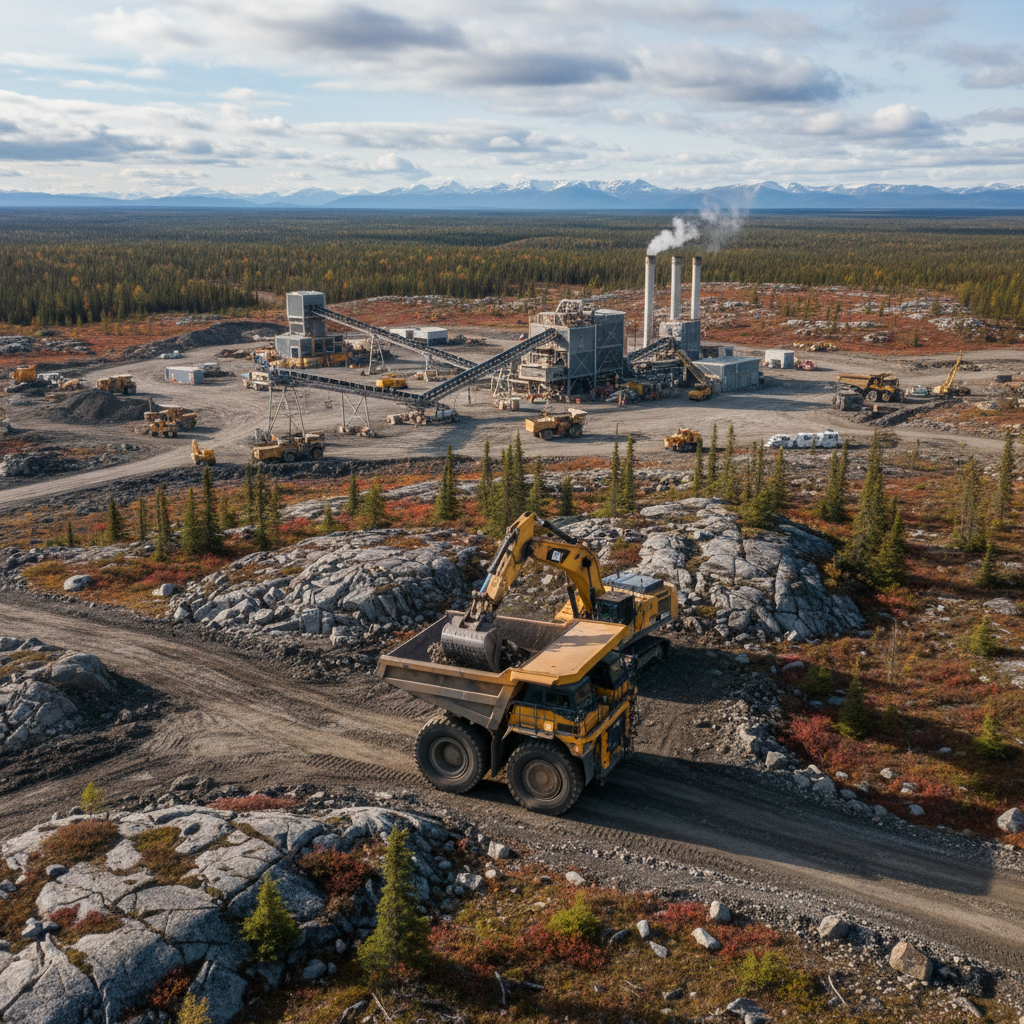
Resource extraction is one of the largest economic drivers in Northern Canada, with the primary activity being mining. The region is richly endowed with gold, diamonds, rare earth minerals, and other minerals—most of which are exported to the United States and international markets.
More liberal tariff policies would have several benefits for this industry:
- Lower costs of importing mining equipment and technology.
- Improved competitiveness in export markets as tariffs on raw materials are reduced.
- Increased investor confidence, encouraging exploration and new ventures.
Companies operating in Yukon and the Northwest Territories can expand their operations with relative ease if tariff-related costs decline, making them more competitive in world markets.
Trade Logistics and Supply Chain Efficiency
With its remote position, Northern Canada relies significantly on imported commodities for daily essentials. Avoiding tariff increases could become cheaper and faster to import essential supplies, from heavy equipment to consumer products.
The transport and logistics sector, which handles the movement of products by air, sea, and land, can potentially benefit from reduced trade friction. In particular:
- Reduced shipping costs due to lower tariffs on fuel and vehicle parts.
- Faster delivery of essential supplies to outlying settlements.
- Greater commerce through greater access to the American market.
This shift could be welcome relief to local businesses and consumers, who pay more due to the transportation challenges of providing to the North being transferred to them in the form of higher prices.
Small Businesses and Local Economies
Small firms are the pillars of the communities in the North, providing jobs, goods, and services. With the relaxation of tariffs, such firms might experience lower import prices and greater access to the market.
The benefits for local entrepreneurs are:
- Lower-cost stock for retail firms.
- Lower raw material and machinery costs.
- Greater chances to export merchandise beyond regional limits.
Ripple effect of greater affordability would spur consumer consumption, stimulating the local economy in towns like Whitehorse, Yellowknife, and Iqaluit.
Energy Sector Considerations
Northern Canada depends on the generation and supply of energy through diesel and renewable energy projects that serve isolated communities. Tariff flexibility would reduce the energy import cost, including fuel, solar panels, and wind technology.
A more competitive energy market could:
- Lower the cost of doing business for renewable energy projects.
- Home energy bills will be reduced for residents.
- Help invest in new energy infrastructure.
With growing energy demands, lowered tariffs may be a means of supporting Northern growth in a sustainable way. Investor Sentiment and Economic Outlook
Dow Jones futures rise reflect broader optimism that would be extrapolated to the investment climate in Northern Canada. Investors from home and abroad would prefer the region more if economic certainty is enhanced and trade restrictions are reduced.
There are, however, some lingering concerns. Investors and corporate executives are closely observing for:
- Potential future U.S. policy shifts that could reverse tariff flexibility.
- International trade talks and their impact on Canadian exports.
- Logistical challenges in maintaining supply chains across vast, distant distances.
Despite these concerns, economic analysts are convinced lower tariffs will establish a more favorable climate for investment and business growth across the North.
Looking Ahead: Opportunities and Challenges
As Northern Canada responds to the implications of Trump’s tariff discretion, the area can potentially profit from lower costs, improved efficiency in trade, and increased investment. Key industries such as mining, logistics, and small enterprises stand to gain if these policies continue.
However, doubts surrounding future trade agreements and the North’s logistical constraints guarantee that regional economies must remain flexible and responsive.