- calendar_today August 16, 2025
Tesla’s Stock Increase and Whether It Will Have an Impact on Northern Canada
Introduction
The Tesla stock has been steadily increasing, buoyed by optimism about future tariff reductions and growing worldwide demand for electric vehicles (EVs). Northern Canadian investors and policymakers are taking notice, weighing the possible effect that this trend can have on diversifying the economic base of the region, on its transportation infrastructure, and investments in clean energy.
While Tesla’s physical presence remains limited in Northern Canada compared to more urban provinces, its stock performance reflects broader industry trends that can drive regional transformation. A surging Tesla stock can act as a stimulus for electrifying transportation, building infrastructure, and growing sustainable energy sectors in the North.
What Tesla’s Stock Gains Mean for Northern Canada
Tesla’s recent surge is the result of a number of global and domestic forces, including:
Potential Reductions in Tariffs
Tariff relief on raw materials and EV components would lower production costs, making electric vehicles more cost-effective for Canadian consumers—regardless of geography in remote locations.
Advancements in Battery Technology
Tesla’s progress in battery efficiency is rendering EVs more viable for colder climates and extended driving distances—an essential consideration for Northern Canada’s geography.
Increased Government Incentives
Federal and territorial efforts are promoting EV adoption via rebates, tax credits, and green energy policy. Tesla’s success can support these efforts by increasing market demand and political will.
For Northern Canada, these changes can have a number of significant benefits:
More EV Accessibility
As costs decline, Teslas and other EVs can become more attainable for Northerners, particularly as used EV markets develop.
Expansion of Infrastructure
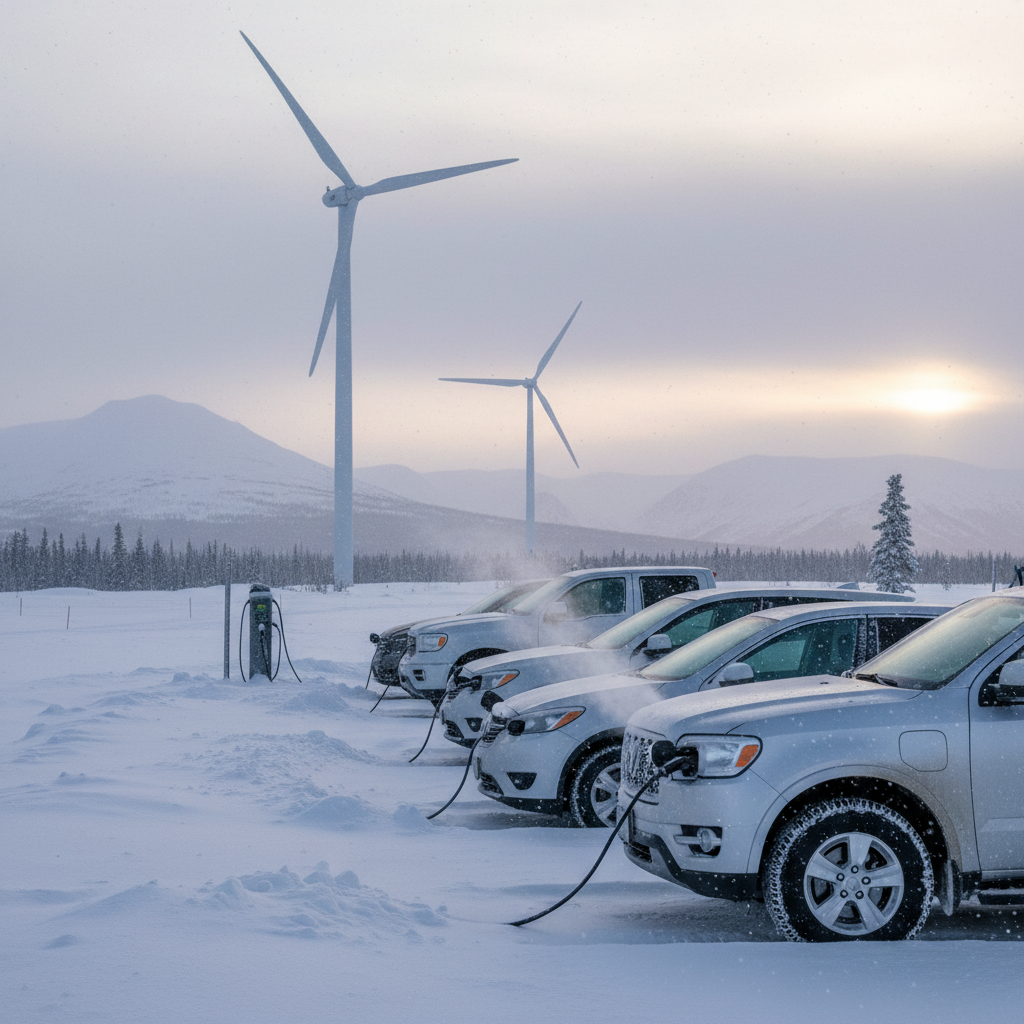
A rise in the popularity of EVs may lead to investment in charging stations—a primary solution to overcoming the long-distance driving challenges in distant and rural areas.
Expansion of Clean Energy
As more EVs hit the regional market, there will be an increased need for clean electricity that will initiate projects for the development of clean energy such as wind, solar, and hydro.
Challenges to EV Adoption in Northern Canada
Northern Canada still faces substantial challenges in EV adoption even with the promise:
Inadequate Charging Infrastructure
Many communities have not even laid out basic charging facilities. Without massive investment, EV use may remain impractical outside urban areas.
Harsh Climate Conditions
Winter in Northern Canada sees some of the lowest temperatures on the planet. Low temperatures reduce battery efficiency and range, and specialized vehicles and technology are required.
High Upfront Costs
Although the increasing stock price of Tesla is a sign of market confidence, EVs still have a high cost of acquisition. Even with incentives, this is something that most families find difficult to afford.
Long Distances of Travel
Having vast, remote areas with extended distances between population points, motorists generally cover longer distances. Getting automobiles to work within range and reliability under tough conditions is essential to embrace.
These barriers need to be overcome alongside Tesla’s growth for the North to get fully involved in the clean transport revolution.
Policy Support: Clearing the Path for EV Growth
Regional and national governments have begun laying the groundwork for EV adoption through various programs. But the Tesla stock bubble—and its potential to fuel broader market growth—means additional policy action might be needed:
Constructing Charging Networks
More funding and planning are required to enable even the remotest communities to reap the benefit of rapid and convenient charging facilities.
Increased Rebates and Financial Incentives
Government incentive programs specific to the North could reduce the cost of EVs for low- and middle-income households.
Research & Development for Cold-Climate EVs
Public-private collaborations could stimulate innovation in battery life, thermal insulation, and other aspects paramount for Northern conditions.
Support for Clean Energy Projects
To support an expanding fleet of EVs sustainably, investment in renewables needs to expand in tandem—moving the region away from diesel fuel and other fossil fuels.
The Road Ahead: Tesla’s Impact on Northern Canada’s Transformation
Tesla’s success is more than a stock market story—it’s a foretaste of where the global automotive industry is headed. For Northern Canada, this offers a window of opportunity to revolutionize transportation, make investments in clean energy, and diversify local economies.
If Tesla’s momentum continues, it has the potential to drive bigger changes in how residents move around, how neighborhoods are energized, and how regional governments envision the future. Strategic public-private alliances will be essential to translating Tesla’s market success into concrete regional development.
Conclusion
Tesla’s rocketing stock, driven by tariff speculation and global EV demand, is ringing out shockwaves far beyond Wall Street. For Northern Canada, it is an opportunity and challenge. While cold weather, restricted infrastructure, and high cost are real barriers, the benefits of clean transportation and renewable energy have become increasingly attainable. With the right investments and policies, Northern Canada can harness Tesla’s momentum to fuel long-term regional transformation and be part of the electric revolution that is rewriting the future of mobility.