- calendar_today August 10, 2025
Northern Canada’s Housing Market Enters Deep Freeze in 2025
Northern Canada is no stranger to extreme weather, remote geography, and infrastructure hurdles—but in 2025, it faces a different kind of freeze. The housing market across the Yukon, Northwest Territories, and Nunavut has slowed to a virtual standstill.
Though each territory has its own market structure and demographic composition, a set of shared issues—interest rate pressure, sky-high construction costs, and limited private sector activity—has brought new listings, sales, and even development to a crawl.
While headlines in southern cities focus on volatile home prices and urban exodus, Northern communities are facing their own version of stagnation—one shaped by distance, infrastructure gaps, and a growing mismatch between supply and demand.
Rising mortgage costs are a national story in 2025, but their effects are magnified in the North. Higher baseline costs of living, limited wage growth, and constrained financing options make rate fluctuations especially painful for prospective homeowners.
The average fixed mortgage rate in the Yukon and NWT now ranges between 6.8% and 7.4%, while access to competitive lenders remains limited in Nunavut, where federally backed programs dominate the landscape.
“We’re not just dealing with interest rate hikes—we’re dealing with systemic inaccessibility,” said Lena Tassi, a Yellowknife-based mortgage broker. “Many Northern buyers don’t even qualify under the same terms southern Canadians enjoy.”
Construction Stalls Amid Surging Costs
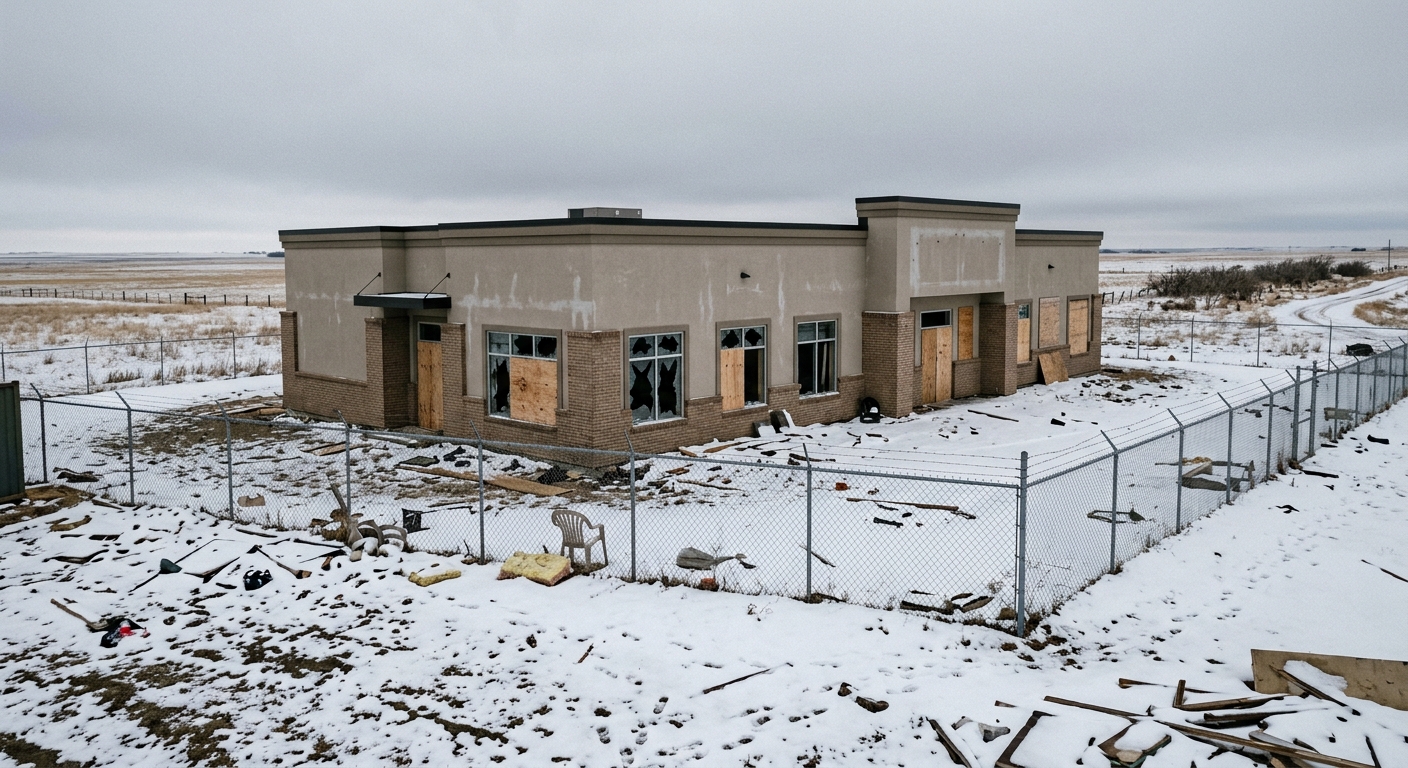
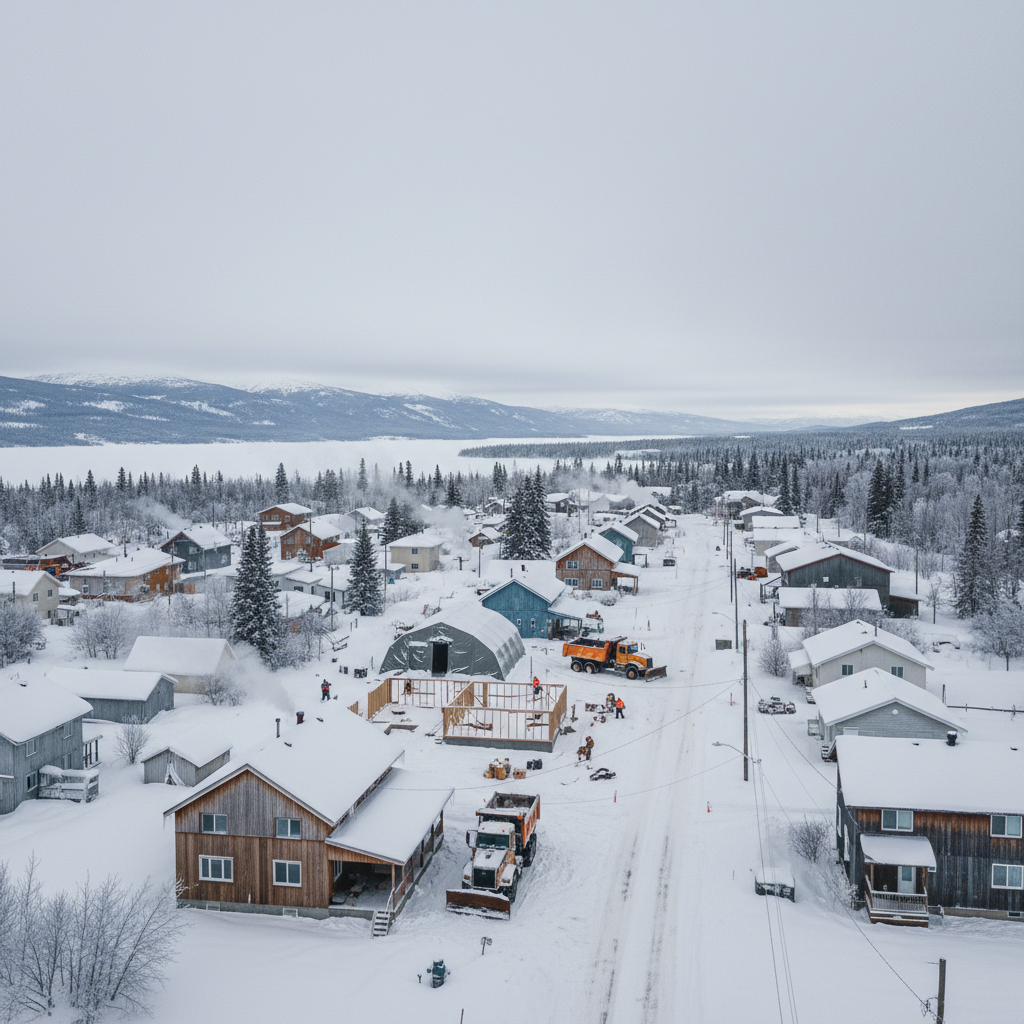
One of the most pronounced impacts of the freeze is on new development. Building a home in Whitehorse or Yellowknife was already expensive before the rate environment changed. In 2025, construction costs—especially for materials flown in or trucked over seasonal roads—have pushed many projects into limbo.
According to the Canada Mortgage and Housing Corporation (CMHC), housing starts in the Yukon are down 27% compared to last year. In NWT, starts have dropped nearly 32%, while Nunavut remains reliant almost entirely on government-commissioned housing, which has also slowed due to budget constraints.
“Every two-by-four, every sheet of drywall has to travel a thousand kilometers,” said Iqaluit-based contractor Jerry Nauyaq. “It’s not just money—it’s time, weather, and risk.”
Indigenous Communities Face Deepening Housing Challenges
The freeze has disproportionately affected Indigenous communities, many of which already faced chronic housing shortages. The Indigenous Housing Gap remains stark, with multiple families often sharing overcrowded homes in remote communities.
In Nunavut, nearly 57% of the population lives in public housing, and demand continues to outstrip supply. With construction slowing, many Inuit households are stuck on waitlists or in deteriorating units.
“Federal promises haven’t translated into shovels in the ground,” said Mary Atagotaaluk, a housing advocate in Rankin Inlet. “The freeze isn’t just economic—it’s human.”
In the Yukon and NWT, similar concerns are mounting. While some First Nations are pursuing self-directed housing projects, financing and land access remain formidable barriers.
Whitehorse: Cooling but Still Tight
In Whitehorse, Yukon’s capital, the housing market has cooled in 2025—but not collapsed. The average home price sits around $640,000, virtually unchanged from last year. What has shifted is the volume of transactions: listings are down 20%, and buyers are increasingly hesitant to compete.
“There’s a psychological freeze as much as an economic one,” said realtor Tyler Morgan. “Sellers want last year’s prices, buyers want next year’s interest rates. So no one moves.”
Rental supply remains tight in Whitehorse, with vacancy rates below 1.5%. This is putting pressure on young families, seasonal workers, and newcomers arriving through regional immigration programs.
Yellowknife: Affordability Traps and Economic Headwinds
In Yellowknife, the Northwest Territories’ housing market has stagnated alongside growing economic uncertainty. The city, which once relied heavily on mining sector wages to support the housing economy, has seen job losses in 2024-25 due to mining downsizing and slow tourism recovery.
Home prices have remained relatively flat, averaging around $480,000, but transactions have declined significantly. Realtors report homes sitting on the market for 90+ days—a rarity just a few years ago.
“What’s different in 2025 is the lack of urgency,” said local real estate agent Ava Beaulieu. “There’s no rush to buy, and no incentive to sell.”
Nunavut: Policy-Dependent and Strained
Nunavut’s housing market operates under a fundamentally different model. The overwhelming majority of housing stock is publicly owned and managed, with few private sales and even fewer developers operating independently.
This has insulated the region somewhat from mortgage-rate volatility, but the slowdown in federal and territorial housing construction budgets has had a chilling effect on housing availability.
With Iqaluit experiencing a population growth of nearly 2.3% in 2024, the pressure on housing is increasing—while actual units delivered in 2025 are expected to be among the lowest in a decade.
“We have the need, we have the land, but not the tools to build at scale,” said Pangnirtung mayor Steven Kiguktak. “That’s the real freeze.”
What’s Keeping the Market Frozen?
Several overlapping factors are locking Northern Canada’s housing market in place:
- Extreme cost structures for materials, labor, and logistics.
- Limited access to competitive financing options for private buyers.
- Minimal private sector development, especially in Nunavut.
- Public housing bottlenecks, including permitting, procurement, and policy lags.
- Uncertainty around federal and territorial investments, particularly in infrastructure and Indigenous housing programs.
Could Relief Be on the Horizon?
A full-scale thaw may be slow to arrive, but experts see potential flashpoints for improvement:
- Targeted Infrastructure Investment: Road, broadband, and port projects could lower construction costs and attract developers.
- Flexible Financing Models: Regional banks or Indigenous-led financial institutions could help bridge credit access gaps.
- Rate Relief: If the Bank of Canada continues to ease rates in late 2025 or 2026, it could spark modest buyer activity in more accessible urban centers like Whitehorse and Yellowknife.
- Federal Commitments: If Ottawa follows through on its 2025 Indigenous Housing Acceleration Fund, Nunavut could benefit directly.
The North Needs More Than Time
Northern Canada’s housing freeze isn’t just about interest rates—it’s a reflection of long-standing structural barriers. Without a multi-layered response involving governments, Indigenous leadership, private capital, and infrastructure, the thaw may be temporary or uneven.
For now, the market remains in limbo. People still need homes. Builders still face obstacles. And the dream of stable, affordable housing across the North remains delayed—if not out of reach.
“Winter is something we’ve always endured,” said Whitehorse resident Carol Judson. “But this housing freeze? That’s not seasonal. That’s systemic.”