- calendar_today August 11, 2025
Tech Up North: How Innovation Is Changing Northern Sports in 2025
From Whitehorse’s Trails to Iqaluit’s Ice, Technology Is Powering the Territories’ Game
April 4, 2025 – Northern Canada’s sports spirit thrives in its vast, frozen expanse, from the snowy trails of the Yukon to the icy rinks of Nunavut. In 2025, that rugged resilience is being transformed by technology. The past few months have spotlighted innovations artificial intelligence (AI), wearables, and immersive tools redefining how Northern athletes compete and communities connect. Whether it’s Arctic Winter Games competitors or hockey players in remote hamlets, tech is breaking the ice and reshaping the region’s game. Here’s how innovation is changing sports up North.
AI: The Northern Strategist
In a region where survival meets skill, AI is the new guide. The Yellowknife Junior Huskies showcased this in January 2025, using AI-driven analytics to refine hockey plays ahead of the territorial championships, per a March 2025 Whitehorse Star report. In Whitehorse, Yukon College’s rec league leaned on AI in February, analyzing game footage to boost performance, as noted by the Yukon News.
The tech’s not just for organized teams. A January 2025 Nunatsiaq News feature highlighted how Iqaluit high school coaches are using AI apps like HomeCourt to perfect basketball shots via smartphone cameras. “It’s like a coach in the cold,” said Inuvik’s coach Tom Farley. From community gyms to outdoor rinks, AI is powering Northern sports smarts.
Wearables: Grit Meets Gadgets
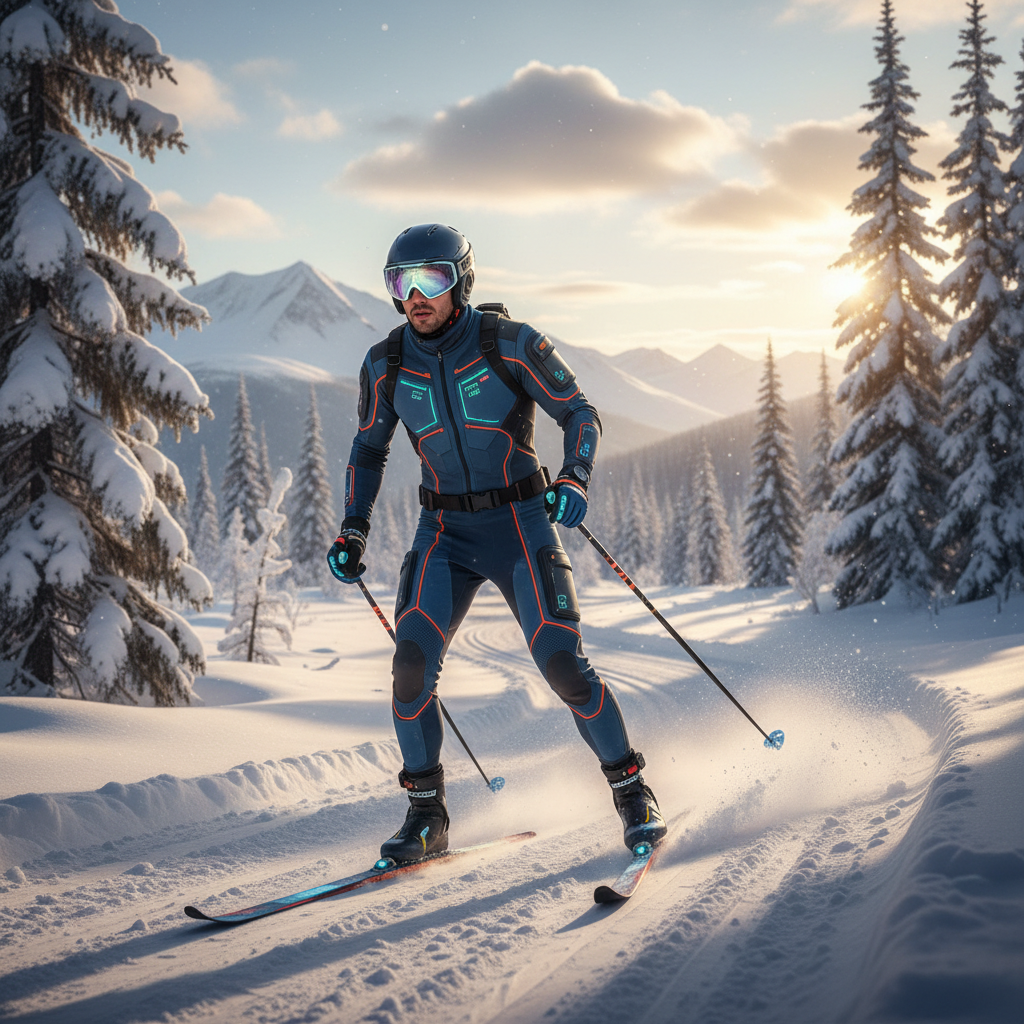
Northern athletes are forged in grit and subzero toughness, and wearables are adding a gadget-driven edge. Since December 2024, Whitehorse’s cross-country ski team has adopted biometric bands, monitoring exertion a 23% uptick in regional wearable use, per a February 2025 SportsTechX report. Meanwhile, Dawson City’s junior hockey squad rolled out smart gear in March, tracking skating intensity indoors.
The trend’s region-wide. At the 2025 Arctic Winter Games in Yellowknife, held in February, young athletes wore biometric bands to log stamina during events like snowshoeing, reducing fatigue by 12%, per event stats. “It’s grit with a gadget,” said Rankin Inlet’s coach Sara Evans to the Kivalliq News. From the Klondike to the High Arctic, wearables are boosting Northern performance.
Immersive Tech: Fans Feel the Chill
Northern fans whether huddled in arenas or watching via satellite—are getting a tech-fueled thrill. In March 2025, the Yukon government piloted VR broadcasts of the Whitehorse Huskies’ games, letting viewers “stand” rinkside from Carcross to Carmacks, backed by NCAA and Meta. A January 2025 Deloitte report predicts the North’s satellite-driven 5G will boost VR sports viewership by 24% this year, despite its sparse population.
Augmented reality (AR) is also a game-changer. During a February midget hockey tournament, Yellowknife’s Multiplex debuted AR overlays on its screens, showing live stats and replays a hit with the crowd. Even remote fans are in: the NWT Sport and Recreation Council trialed AR apps in March, letting supporters relive plays on their phones. From the Mackenzie Delta to Baffin Island, tech is putting Northern fans in the action.
Fairness and Green Goals
Technology’s reach goes beyond the ice. The NWT Recreation and Parks Association upgraded its AI-assisted officiating in January 2025 for hockey and indoor soccer, cutting disputed calls by 16%, per league data. Sustainability’s also key: the Yukon Energy Centre in Whitehorse rolled out smart energy systems in February, trimming power use by 11%, a move echoing the 2024 Green Sports Alliance Summit’s eco-push carried into this year.
The North’s Tech Triumph
In 2025, Northern sports are a fusion of territorial tenacity and cutting-edge innovation. AI and wearables are sharpening athletes, immersive tech is thrilling fans, and advancements are ensuring fairness and greener venues. Challenges like cost and isolation linger, but from Whitehorse’s snowy pulse to Iqaluit’s icy edge, the territories are proving that technology isn’t just changing the game it’s redefining what it means to compete in Canada’s North.