- calendar_today June 8, 2026
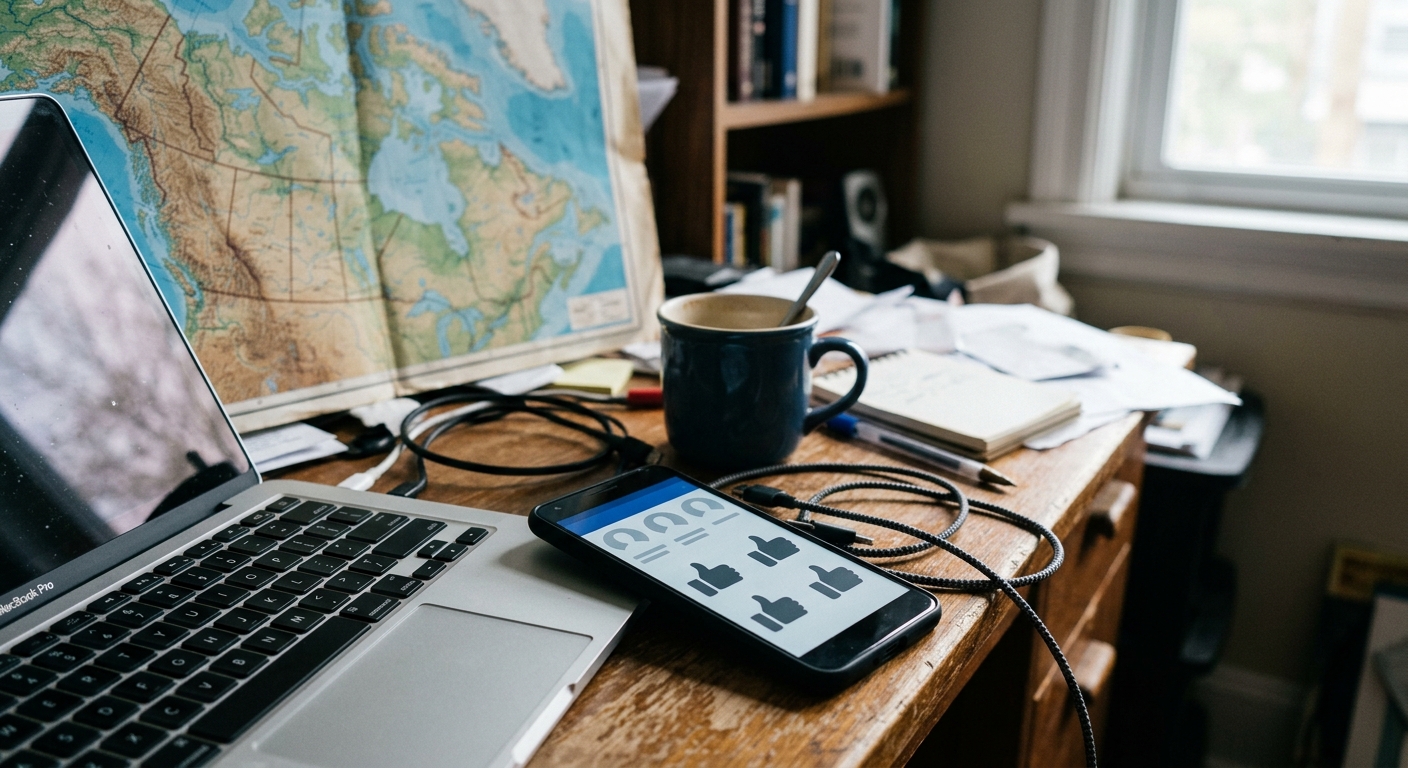
TORONTO METRO — The issue of alberta separatism has taken an unexpected turn as a recent investigation exposed how foreign operators are exploiting local debates through Facebook, raising new concerns for Toronto Metro residents observing regional and national discourse. An analysis by CBC identified multiple overseas-run accounts, including some by Indonesian entrepreneurs, which impersonate Albertans and bolster online discussions about Alberta’s potential secession. The growing involvement of these inauthentic voices has cast doubt on the authenticity of digital conversations concerning alberta separatism and its relevance to legitimate Alberta independence sentiment.
Outsiders Drive Debate in Local Facebook Groups
Investigators discovered that accounts based in countries such as Indonesia, Pakistan, India, and the United States are now among the most active contributors within leading facebook groups dedicated to Alberta independence. These foreign administrators, including one profile linked to an Indonesian noodle merchant, were observed posting divisive content, often copied from genuine Alberta residents. Such activity blurs the line between grassroots activism and deceptive engagement fueled by economic incentives like facebook monetization.
Monetization Incentives Fuel Inauthentic Activity
The financial appeal of facebook monetization underpins much of this trend. By harvesting engagement through controversial posts—without genuine ties to Alberta—foreign actors leverage the platform’s algorithms for personal gain. The accounts frequently engage in content theft by stealing photos, names, and posts from real Albertans, further muddying the digital landscape for those in Toronto Metro and across Canada trying to discern real political discourse. Experts caution that such political exploitation has long-term impacts on regional trust and the integrity of online dialogue.
Networks Coordinate Disinformation Efforts
The investigation highlighted that coordinated networks, particularly those linked to Pakistan, actively engage in political disinformation and social media manipulation. These networks distribute misleading or inflammatory messages intended to spark controversy and deepen divides among members of Facebook groups. Experts on foreign interference warn that such campaigns undermine democratic processes not only in Alberta but potentially in major metropolitan areas such as Toronto Metro, where misinformation can quickly reach broad audiences.
User Reactions and Local Impact
For local users and members of Facebook groups, the realization that their conversations around alberta independence are influenced by offshore actors has been unsettling. Many community members have found themselves victim to online deception and report feeling violated by the unauthorized use of their identities and content. The persistence of these inauthentic accounts is viewed by both authorities and group administrators as a fundamental threat to meaningful civic debate. This reality resonates within Toronto Metro, where digital integrity and accurate public discourse remain top concerns for the region’s diverse communities.
Tech Company Response and Ongoing Challenges
In response to reports of foreign interference and manipulation, Facebook has removed some of the most egregious inauthentic accounts. Despite those efforts, incentives for political exploitation persist, allowing the cycle of controversial content and engagement-driven profit to continue. The platform’s measures have proven only partially effective, leaving regional administrators and users with the ongoing challenge of distinguishing authentic discussion from orchestrated disinformation.
Safeguarding Authentic Discourse in Toronto Metro
The findings underscore persistent difficulties in maintaining authentic, good-faith dialogue on social platforms amid rising political and social tensions. As alberta separatism continues to be debated, the Toronto Metro region and the greater Canadian public face a critical need for vigilance, digital literacy, and robust safeguards against content theft and online deception. The story demonstrates that efforts to protect public discourse require ongoing collaboration between social media companies, authorities, and everyday users across Canada.