- calendar_today June 7, 2026
The recent sale of a longstanding family farm in Cails Mills, New Brunswick, has captured the attention of communities in Toronto Metro and beyond. The cail farm, a cornerstone of local agriculture for nearly 150 years, represents a wider trend impacting rural Canada—one where generational farming traditions confront economic and social change.
Generational Farming Legacy Ends
The Cail family’s deep roots in New Brunswick agriculture date back to the late 1800s. For three generations, the farm was a beacon of resilient Canadian farm heritage, with the land passing from parents to children. After taking the reins at just 17 following his father’s death, Leslie Cail guided the cail farm through decades of triumphs and challenges.
Challenges of Modern Farm Operation
Like many of his peers in the agricultural sector, Cail faced persistent hurdles. “Farming is never easy,” he recalled during the farm sale. From unpredictable weather to equipment breakdowns, each season brought new trials. The volatility of beef farming and livestock prices added further uncertainty, and rising operational costs in recent years made sustaining the business increasingly difficult. At its height, the farm ranked as New Brunswick’s fifth-largest beef operation, supporting cattle, hogs, and sheep.
Farm Auction Draws Final Curtain
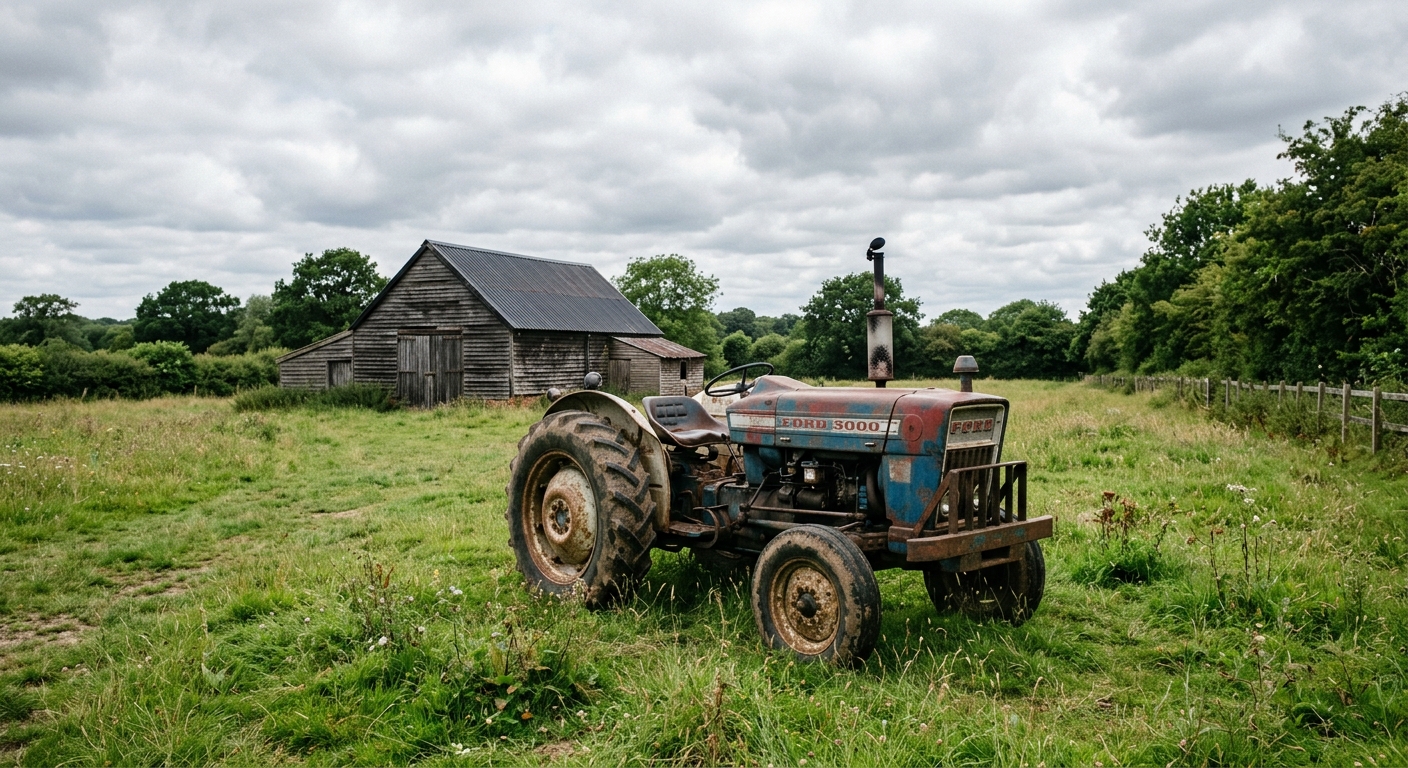
The emotional chapter concluded with a farm auction, where the community gathered to bid on both equipment and antique furniture accumulated over generations. These tangible links to the past reminisced about the farm’s long presence in the region and reinforced the significance of generational farming practices that have grown rarer over time.
Succession Challenges and Changing Demographics
Despite the farm’s storied background, Cail confirmed that no family member would continue the legacy. Like many agricultural land stewards across the country, he was met with the realities of farm succession: younger generations either lacked interest or were discouraged by the increasing financial demands and dwindling returns. This local story mirrors a broader national trend, as Statistics Canada reports a 44 percent decrease in the number of farms—from 1976 to 2021—highlighting a shifting landscape for Canadian agriculture and generational farming.
A New Chapter: Farming Future Secured
While bidding farewell to his birthright carries emotional weight, Cail expressed comfort in knowing the agricultural land would remain in productive use. The property’s new stewards are five Amish families, renowned for their sustainable, community-oriented farming approaches. Their arrival ensures the land’s ongoing role in regional food production, supporting New Brunswick farm communities and Toronto Metro’s broader interest in rural sustainability.
Preserving Farm Heritage in a Changing Economy
The story of the cail farm underscores essential challenges facing farm operation today, not only in New Brunswick but also within farm-focused circles in the Toronto Metro area. As more farms confront obstacles related to succession, fluctuating market forces, and rising input costs, communities and policymakers may seek new strategies to preserve agricultural heritage and promote generational continuity. For now, the legacy of three generations culminates in a transition that respects the area’s farming roots while looking ahead to new possibilities.