- calendar_today April 15, 2026
Unveiling the Artemis II Photos: A Toronto Metro Connection
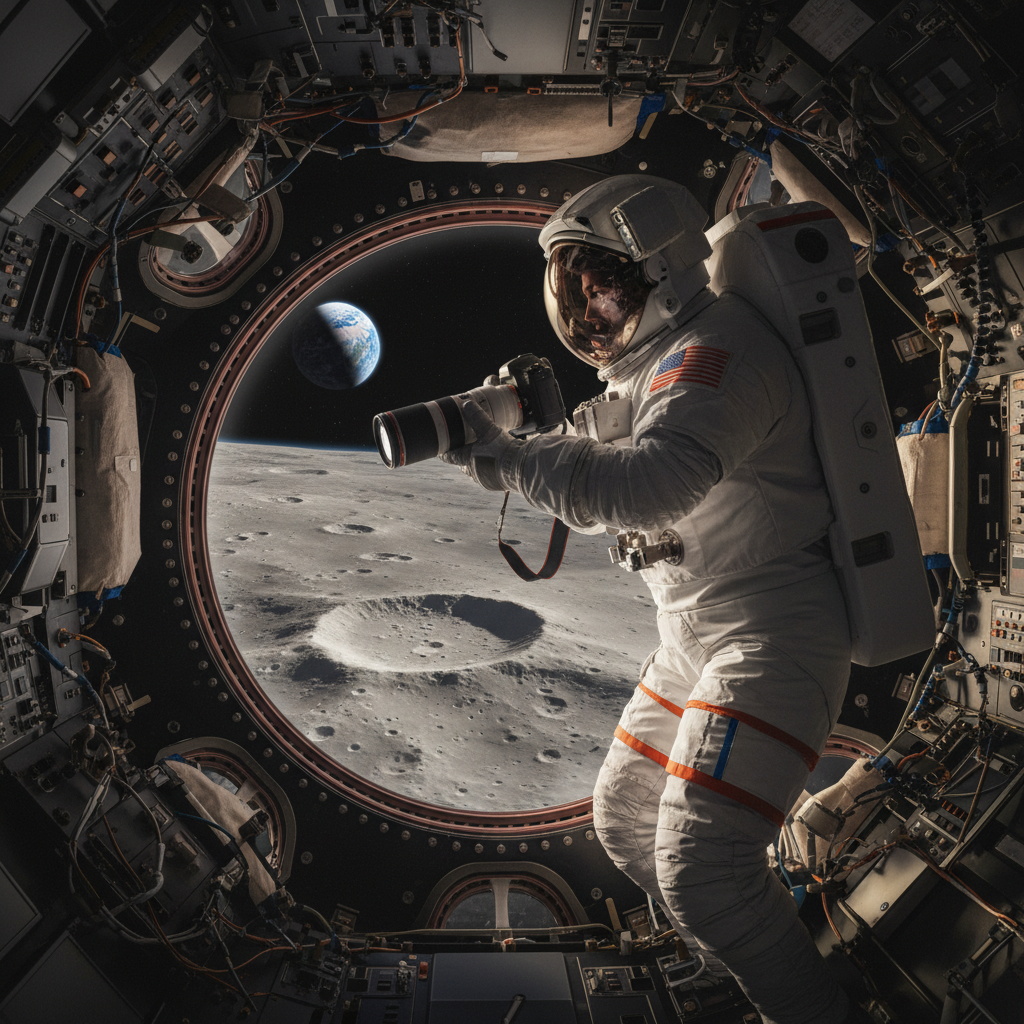
The recent unveiling of Artemis II photos has generated significant excitement across Toronto Metro and beyond, as the astronauts returned with unprecedented lunar mission images and captivating shots of a total solar eclipse. The release marks a milestone in modern space photography, offering vivid snapshots from deep space that are already influencing public interest and scientific exploration in the region.
NASA Photography Training: Behind the Success
The remarkable clarity and diversity of these Artemis II photos did not happen by chance. NASA photography specialists Paul Reichert and Katrina Willoughby were instrumental in preparing the crew. Their intensive photography training covered both technical skills and artistic approaches to capturing significant moments in space, ensuring the astronauts were equipped to handle demanding conditions aboard the Orion spacecraft.
Advanced Space Camera Equipment on Board
The Artemis II crew relied on a blend of advanced space camera equipment throughout their journey. The Nikon D5 camera emerged as the backbone of their toolkit, renowned for its proven resilience in the extreme environment of space, including high-radiation areas and the frequent shifts between shadow and sunlight on the lunar surface. This digital SLR camera handled low light scenarios exceptionally well, an essential feature for creating detailed eclipse and lunar mission images.
Nikon D5 and Beyond: Versatile Choices
Supplementing the core setup, astronauts also utilized the Nikon Z9 mirrorless camera, broadening their creative possibilities with multiple lenses tailored for varied perspectives. The deployment of these tools was a direct outcome of comprehensive photography training, focused on maximizing the strengths of each device under different space conditions.
Innovation Continues: iPhone Space Photos
In a departure from past missions, the Artemis II team employed Apple’s iPhone 17 Pro Max to capture spontaneous scenes inside the Orion module. While iPhone space photos offered the benefit of user-friendly interfaces and instant review, the large file sizes frequently tested the data transmission infrastructure during the return of Orion spacecraft images to scientists and media teams across Toronto Metro.
From Film to Digital: The New Era of Space Photography
This mission marked a major leap beyond film-based processes. With digital imaging, astronauts and ground teams were able to review photos in real time. The shift amplified enthusiasm among mission controllers and NASA fans alike in Toronto Metro, as every transmission of lunar mission images invited close community engagement and discussion.
Low Light Camera Performance in Space
Careful selection of a low light camera made a tangible impact on the mission’s visual success. The Nikon D5 camera’s robustness in darkness and its radiation-resistant chassis cemented its place as a staple for future space photography operations.
Documenting the Lunar Frontier: Impacts for Toronto Metro
The Artemis II photos are already sparking conversation in Toronto Metro’s schools, universities, and scientific centers. Local experts highlight the value of authentic, high-definition images for both classroom learning and planetary research. As NASA amplifies the release of further nasa photography content, it is expected that public engagement will rise sharply, further inspiring the next generation of explorers in the region.
The Path Forward for Lunar Exploration
The Artemis II mission underscores the critical importance of specialized space camera equipment and ongoing photography training. With each new set of images, Toronto Metro and its residents grow closer to the story of human exploration, reminded that every photo not only documents the unknown, but also brings the vision of space just a little closer to home.