- calendar_today September 1, 2025
Amazon.com Inc. (NASDAQ: AMZN) is investing heavily in Northern Canada, a region where geography, climate, and infrastructure demand innovative logistics. Stretching across Yukon, Northwest Territories, and Nunavut, this expansion blends artificial intelligence, renewable energy, and cultural partnerships to deliver products — and opportunities — to some of Canada’s most remote communities.
This push is as much about connecting the North to global markets as it is about ensuring northern residents have equitable access to goods that southerners take for granted.
Yukon: Highway Links and Cross-Border Trade
In Yukon, Amazon is capitalizing on the Alaska Highway as a primary overland route for freight coming from both Canadian and U.S. suppliers. Whitehorse has emerged as a logistics coordination point, with AI-powered fleet management tracking weather shifts, road conditions, and freight loads in real time.
Partnerships with local carriers ensure that deliveries reach small towns like Dawson City and Watson Lake, where supply reliability is vital during winter months. Seasonal warehousing strategies — stocking up before heavy snowfall — help avoid costly delays.
Northwest Territories: River, Road, and Air Integration
The Northwest Territories presents a different challenge: vast distances with limited year-round road access. Amazon is piloting a multi-modal delivery system here, combining ice roads in winter, river barges in summer, and small aircraft for isolated communities.
Yellowknife now hosts a hybrid fulfillment hub that coordinates shipments from Edmonton via both air and truck. AI forecasting tools determine the optimal mix of transportation modes depending on weather data and community needs, ensuring shipments of essentials like medical supplies and hardware tools are prioritized.
Nunavut: Air-First Logistics and Ice Runway Operations
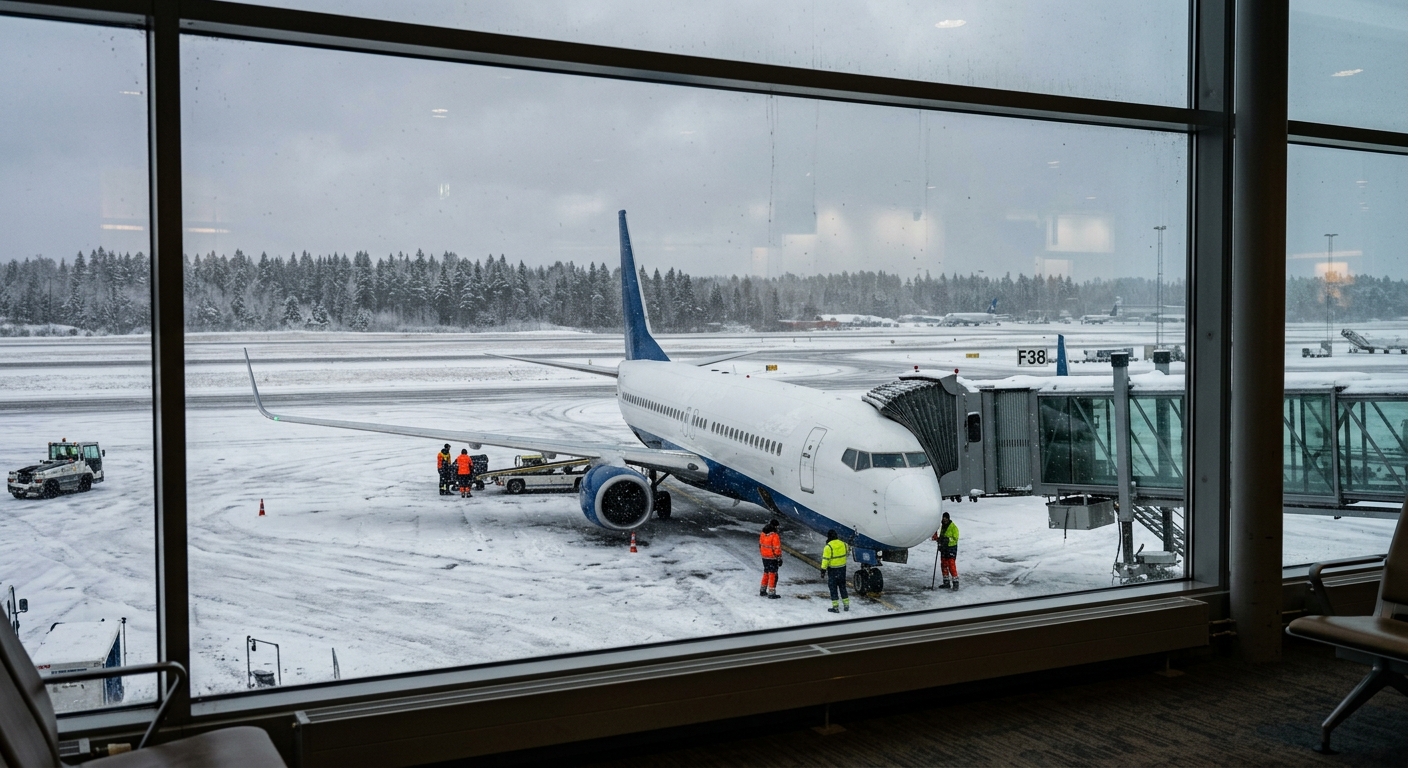
Nunavut’s scattered communities, accessible only by air or seasonal sealift, are where Amazon’s aviation partnerships are most critical. The company has introduced enhanced cargo tracking for flights into Iqaluit and Rankin Inlet, ensuring customers receive accurate delivery estimates despite unpredictable Arctic weather.
Seasonal “bulk delivery events” bring in large shipments of durable goods — such as appliances, snowmobiles, and construction materials — timed with sealift schedules. AI-powered demand analysis helps Amazon forecast which products will be needed most before the next shipping window closes.
Indigenous Partnerships and Economic Opportunities
Amazon’s northern strategy includes working with Indigenous-owned logistics firms, ensuring economic benefits remain within the communities served. In Yukon and Northwest Territories, training programs in supply chain technology and drone operations are being developed in collaboration with local governments and Indigenous organizations.
This approach not only creates skilled jobs but also fosters self-sufficiency in community-based delivery operations, allowing Amazon’s infrastructure investments to have long-term local impact.
AI-Driven Arctic Logistics
Operating in the North means adapting to an environment where missed shipments can mean weeks of delay. Amazon’s AI logistics software incorporates satellite imagery, historical weather patterns, and live sensor data to predict route disruptions before they happen.
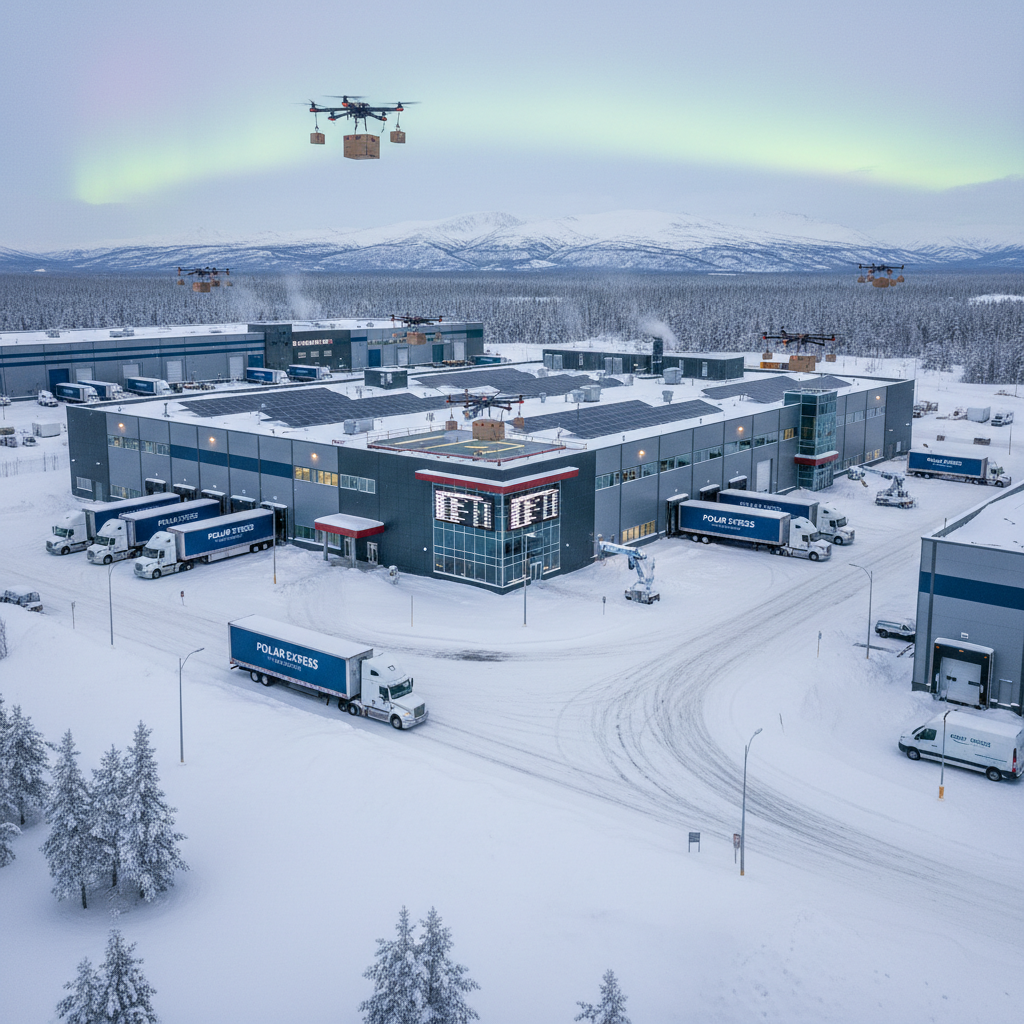
The company has also begun experimenting with autonomous snow-capable delivery drones in select Yukon and Northwest Territories communities, aiming to reduce dependency on costly air freight for small parcels.
Renewable Energy and Sustainability in the North
Sustainability is central to Amazon’s northern expansion. With diesel-generated electricity still common in many communities, the company is funding microgrid projects powered by wind and solar. These renewable energy hubs will supply Amazon’s regional warehouses and charging stations for future electric delivery vehicles.
In Iqaluit, a warehouse retrofit now includes energy-efficient heating systems capable of withstanding extreme subzero temperatures while reducing fuel consumption.
Expanding Marketplace Access for Northern Sellers
Local northern businesses — from Indigenous artisans to Arctic fishing co-ops — are gaining greater access to national and international markets via Amazon’s seller programs. To support them, Amazon offers packaging solutions that protect goods during long-distance shipping and ensures listings are optimized for global visibility.
Handcrafted Inuit art, wild-harvested muskox wool products, and northern berry preserves are among the items seeing increased demand on Amazon’s global platform.
Northern Canada’s Place in Amazon’s National Network
While small in population, Northern Canada plays an outsized role in Amazon’s Canadian strategy. It represents both a testing ground for extreme-environment logistics and a vital bridge for bringing economic opportunity to communities far from southern trade hubs.
By blending AI-driven operations, Indigenous partnerships, and renewable energy projects, Amazon is building a model of e-commerce integration that could be replicated in remote regions around the world.