- calendar_today August 27, 2025
Northern Canada’s Workforce Is Bracing for Transformation Due to AI by 2030
Artificial Intelligence (AI) is revolutionizing workplaces across the globe, and Northern Canada is no different. By the year 2030, up to 50% of Northern Canada’s jobs are estimated to be affected by AI and automation. Although this may seem scary, it also presents an opportunity for employees, communities, and companies to get ready and prepare for a shifting future.
Northern Canada, including such regions as Yukon, Northwest Territories, and Nunavut, has its own economy and labor market shaped by natural resources, Indigenous communities, and remoteness. Understanding how AI will affect this region is key to getting workers ready for the opportunities and challenges that are coming.
Why AI Is Growing in Northern Canada
While Northern Canada is remote and sparse, AI and automation are increasingly penetrating industries like mining, transport, healthcare, and public utilities. Governments and companies are looking to increase safety, reduce costs, and maximize productivity. AI technologies like drones, robots, and data analysis systems are already helping in:
- Monitoring of environmental conditions
- Management of extraction of natural resources in a safe manner
- Making healthcare accessible through telemedicine
- Improving communication and transport
These advances are expected to gain momentum over the next decade.
Northern Canadian Industries Most Affected by AI
1. Mining and Resource Extraction
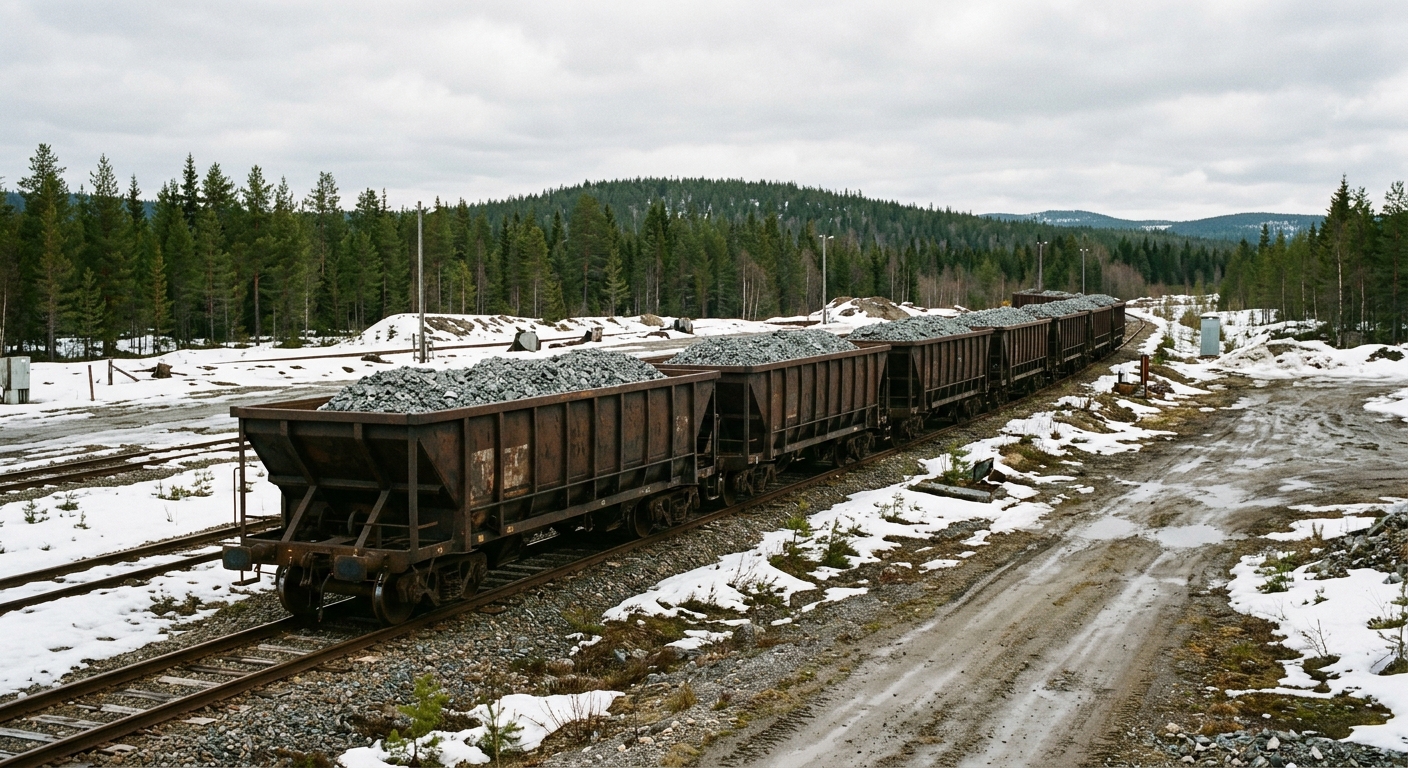
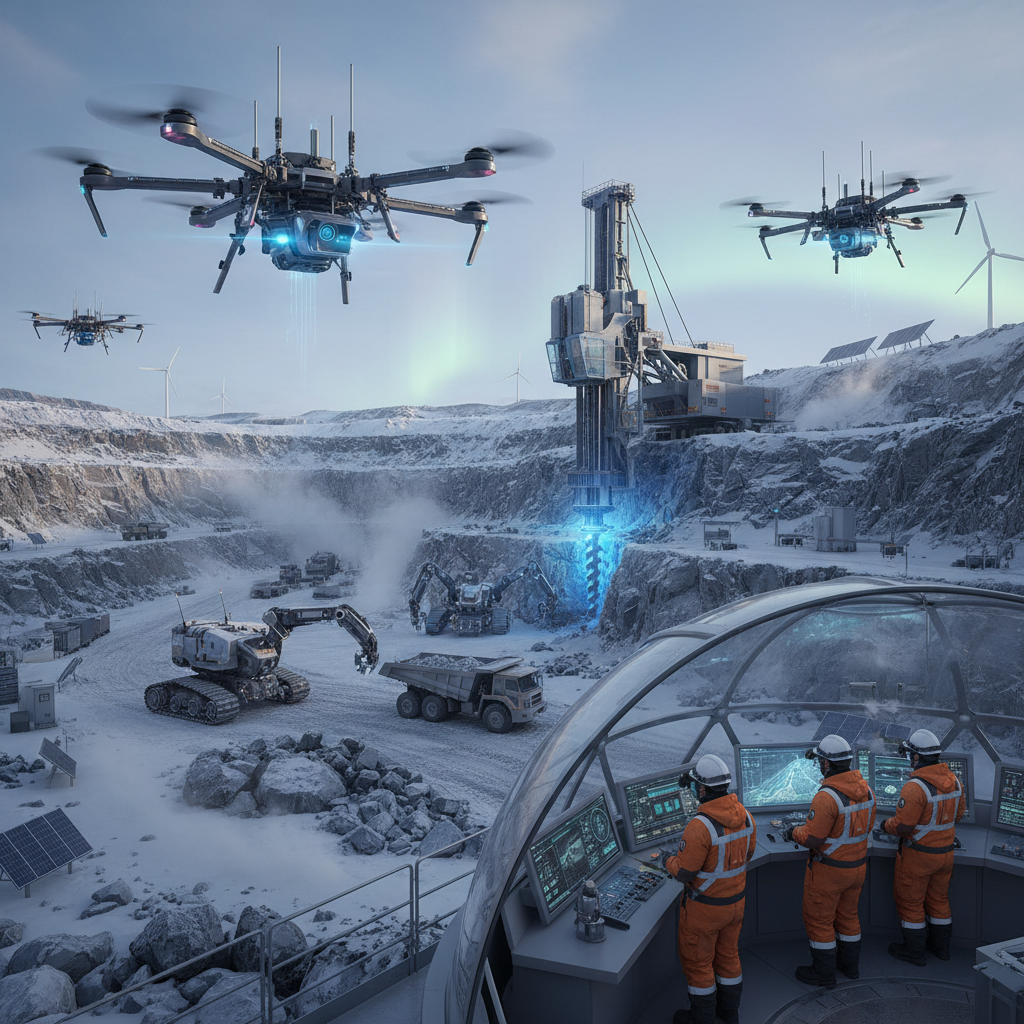
The Northern Canadian economy depends heavily on natural resources and mining. Machine learning-based systems and machines are used to:
Automatically drill and excavate
Monitor the health of equipment remotely
Process geologic data faster
Even though this will be safer and more effective operations, some manual and routine jobs will slow down. But new employment in AI system maintenance, data analysis, and remote monitoring will expand.
2. Transport and Logistics
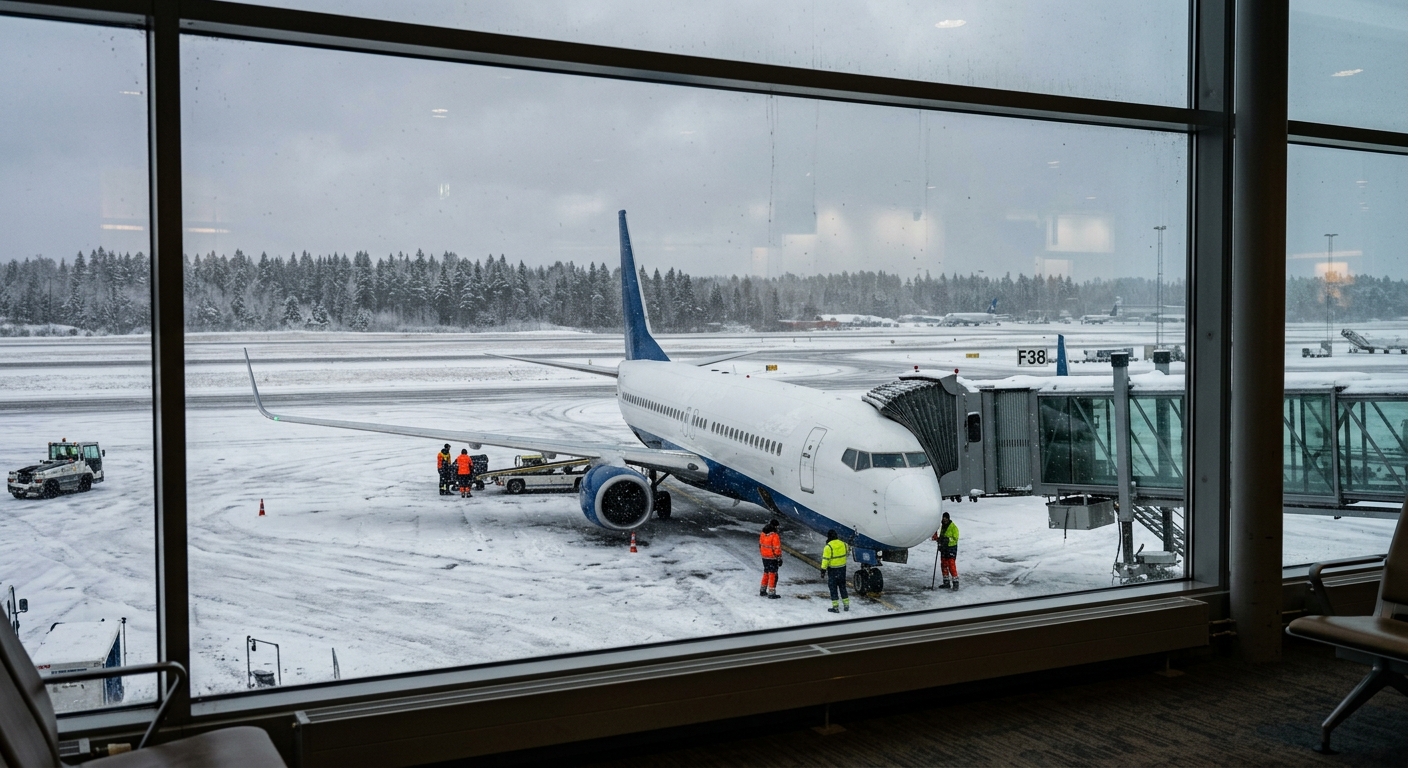
Transportation within Northern Canada is challenging due to harsh weather and massive distances. AI helps with:
- Maximizing delivery routes
- Fleets of trucks and aircraft
- Designing self-driving cars for hostile environments
These enhancements will revolutionize the work of truck drivers, pilots, and logistics personnel, transforming these jobs into a need for higher technological proficiency.
3. Healthcare
Healthcare access is dismal in many remote areas. Telemedicine and diagnostic capacity underpinned by AI are opening up opportunities for care. For example:
- Remote patient monitoring
- AI-powered diagnostic support
- Virtual consultations
This could end up eliminating some administrative roles but creating a higher level of demand for healthcare workers skilled at utilizing AI technologies and delivering virtual care.
4. Public Services and Government
The government will be improved through services by:
- Processing mundane paperwork
- Enhancing communication with remote communities
- Predictions based on data for infrastructure requirements
This will revolutionize outreach and administrative work, yielding new positions in digital services.
Northern Canadian Jobs More Likely to Expand
While AI will alter many jobs, it will also generate new ones in the fields of:
- AI maintenance and programming
- Remote health assistance and telemedicine
- Environmental monitoring and conservation technology
- Renewable energy and sustainable development
- Education and preservation of culture using technology
The two roles require a combination of traditional skills and new technical knowledge.
How Northern Canada’s Workers Can Prepare
1. Embrace Lifelong Learning
Technology is changing fast. In order to compete, constant learning of new skills is required. Main areas:
- Computer literacy and digital skills
- Problem-solving and critical thinking
- Communication and teamwork
- Understanding AI basics and how it affects your field
2. Take Advantage of Local Training Programs
Northern Canada governments and institutions offer worker programs to reskill. Online learning, community-based workshops, and partnerships with colleges allow flexibility even in remote areas.
3. Develop Human-Centered Skills
AI can automate, but it cannot replace human empathy, imagination, and leadership. Jobs that involve care, teaching, and community organizing will continue to need strong human skills.
4. Identify Tech-Related Careers
For technology buffs, a degree in AI, data analytics, IT support, or renewable energy can lead to new careers. These fields are expected to grow significantly.
What Businesses and Governments Can Do
To assist Northern Canada in transitioning to AI, policymakers and employers must:
- Increase internet and digital resources
- Invest in training and education of remote communities
- Invest in Indigenous engagement in the tech industry
- Create programs for inclusive and fair workforce transition
Encourage the application of AI in environmentally friendly and culturally appropriate manners
Conclusion
By 2030, AI will transform the labor force of Northern Canada. While nearly half of all occupations will be affected, the transition offers a chance to craft a more efficient, secure, and networked future. Workers who prepare by acquiring new competencies, being receptive to changes, and prioritizing uniquely human abilities will thrive.
Governments, communities, and corporations must work together to make sure that AI is positive, not negative. Northern Canada can use AI to preserve its natural resources, improve the quality of life, and create new, quality jobs for everyone, with the right strategy.