- calendar_today August 22, 2025
How Lululemon’s Sales Struggles Are Shaping Consumer Behavior in Northern Canada
The latest market fluctuations of Lululemon have introduced a change in consumer behavior in Northern Canada. Find out how consumers are adapting to the brand fluctuations and how they affect local consumer behavior.
Introduction
Lululemon, another leading brand in the sportswear sector, has also been severely affected recently, with its sales estimate decreased due to overall economic problems. As one of the leading sportswear brands, Lululemon’s experience is being felt severely among its clientele, even in more remote locations like Northern Canada. As economic instability impacts the performance of the brand, Northern Canadian consumers are slowly modifying their purchase behaviors. In this article, we’ll explore how these shifts are playing out in the region and what it means for both consumers and local retailers.
Why Lululemon’s Struggles Matter to Northern Canada
Lululemon dominates the active apparel market and its performance has larger-than-life implications that go beyond major cities to smaller, rural communities like Northern Canada. Here are the reasons why this brand’s struggle matters so much to local consumers:
1. Premium Product Expectations
Lululemon equates to upscale, high-quality sportswear. Consumers in Northern Canada, especially the active ones who engage in sporting activities outdoors like skiing, hiking, and fitness, regard the company as a first option when it comes to great clothes. Consumers will resist purchasing products at top prices during economic recessions, impacting demand for Lululemon’s products in this market.
2. Consumer Expenditure Shifts
In Northern Canada, consumers are likely to be more sensitive to price increases or perceived value as economic conditions shift. With Lululemon’s sales projections declining, there is a possibility that there is a mass movement away from pricier activewear, and Northern Canadian consumers might turn to challenge their budgets and discover alternatives.
3. Effect on Local Retailers
Whereas Lululemon is found in major cities, its merchandise also has distribution through smaller outlets in Northern Canada. Retailers with Lululemon merchandise might be experiencing declining sales, and this will push them to look for alternative activewear to fill the gap. This may also contribute to product line adjustments as shops attempt to meet evolving customer needs.
Reasons Behind Lululemon’s Challenges
The downfall of Lululemon is a result of the following main reasons, which have brought about uncertainty in the market:
1. Economic Challenges
Northern Canada, as with the rest of the globe, has been witnessing the impact of inflation, increased living expenses, and overall economic uncertainty. Such an environment makes individuals more frugal in spending their hard-earned money, particularly on discretionary items like high-end activewear.
2. Increased Competition
The activewear industry has become increasingly competitive in recent years. New companies with similar quality but lower prices have begun to gain grounds and grab market share, competing against established players such as Lululemon. Northern Canadian consumers, for whom price is typically a significant factor, can be swept up by these new companies.
3. Evolving Consumer Preferences
There is even a shift towards ethical production methods and sustainability from consumers. Consumers are criticizing Lululemon for its environment, and some of them are looking for other products that match their values. This has taken a toll on the popularity of Lululemon as well.
How Northern Canada Consumers Are Adjusting
As Lululemon falters, Northern Canadian consumers are altering their shopping habits in numerous manners. These are some of the ways they are reacting to the volatility of the brand within the market:
1. Seeking More Affordable Activewear Alternatives
Some Northern Canadian consumers are turning to more budget-friendly alternatives. When the cost of living rises, consumers start looking for brands that offer the same quality at a lower price. These brands need not pay the high price of Lululemon but hit a spot between price and quality to which consumers looking to save money lean.
2. Picking Local and Sustainable Ones
Sustainability is also becoming increasingly a driving force behind consumer choice. With Lululemon being attacked for its production methods, Northern Canadian consumers are in search of brands who place investment in sustainable material, ethical labor and production at home. This change in ethic is causing consumers to choose smaller, independent brands whose ethics and environmental stand are aligned with theirs.
3. The Acceptance of Practical Over Premium
In markets such as Northern Canada, where weather is extreme and activity is outdoor, customers are starting to value functionality over prestige. While customers appreciate the performance of Lululemon’s premium products, customers are becoming more concerned with the functional features of sportswear, including durability, comfort, and value. This has created an increase in demand for function, practical options.
What Does This Imply for Northern Canadian Merchants?
As consumer shopping habits change, Northern Canadian retailers are responding to stay current in the new market. Some of the following are important responses:
1. Broadening Product Lines
In order to address changing consumer preferences, shops are expanding their athleisure lines. As most shops now stock more brands to cater to customers who want cheap, eco-friendly, or locally produced products, it fills the gap Lululemon’s issues left while offering local consumers variety.
2. Marketing Local and Sustainable Brands
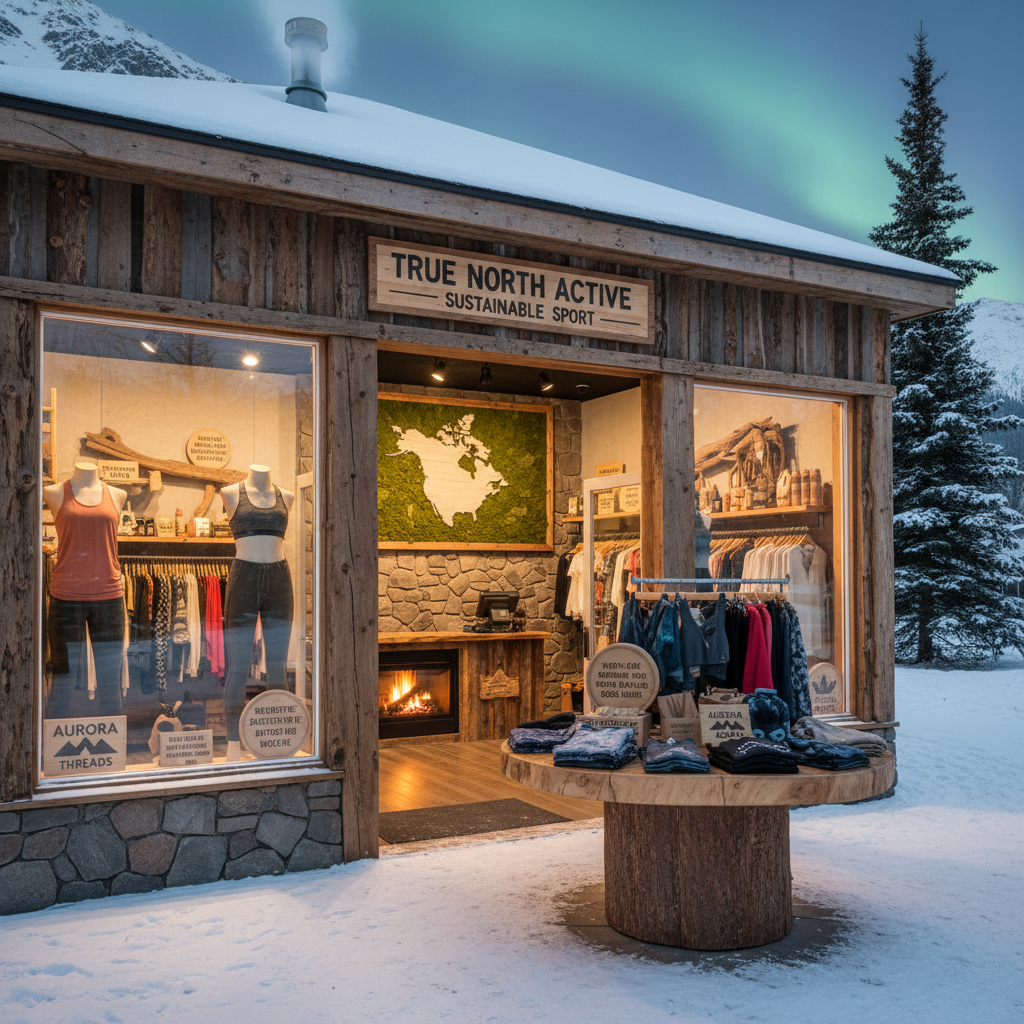
Several Northern Canadian retailers are boosting their focus on sustainable and regional activewear brands. By carrying products that solve consumers’ environmental and ethical concerns, such retailers establish a niche within an increasingly market-sensitive sustainable arena.
3. Embracing Trends in Consumer Expenditure
Merchants are also becoming increasingly attuned to shifting consumer budgets. Through the channels of discounts, loyalty programs, and cheaper product lines, Northern Canadian companies are attempting to hold onto customers that otherwise might be attracted to pricier products like those of Lululemon’s.
Conclusion
Lululemon’s market woes have actually made consumers and retailers in Northern Canada raise an eyebrow. However, the trend towards affordability, sustainability, and convenience offers a silver lining for local businesses to excel at meeting customers’ evolving needs. As consumers shift toward new realities, Northern Canada’s retail scene is poised to respond with innovative strategies that conform to changing needs to ensure long-term sustainability in an oversaturated market.