- calendar_today August 20, 2025
The Last of Us Season 2 Feels Like Something We’ve Lived Through Up Here in Northern Canada
The Last of Us Season 2 that hits especially hard when you’re watching from Northern Canada—where isolation, survival, and holding in what hurts are just part of the landscape.
Keywords: The Last of Us Season 2, watching in Northern Canada, HBO 2025 drama, Ellie and Abby story
This One Didn’t Scream—It Whispered Until I Couldn’t Ignore It
I wasn’t planning on feeling anything when I hit play. I mean, it’s a show about zombies, right? But I should’ve known better. Out here in Northern Canada, we know how to sit with silence. We know how to feel things we don’t always talk about. And this show—this second season especially—it knew exactly where to aim.
It didn’t hit me all at once. It just kept… tugging. Like those long nights in mid-January, when the wind won’t stop moaning and the cold wraps around your bones and reminds you you’re alive—but barely.
Abby Walks In Like a Storm You Thought Had Passed
The first time Abby shows up, I didn’t want to like her. She’s got this weight to her. Not just physical—emotional. You can see it in her eyes, in the way she walks like she’s expecting a fight. But Kaitlyn Dever doesn’t beg for sympathy. She plays her real. Like someone who’s been hurt bad and is trying not to hurt anyone else—but doesn’t always succeed.
And yeah, it reminded me of someone I knew growing up in Inuvik. Strong. Tough. Didn’t say much. But they’d show up to help you move a truck out of a snowbank without being asked. That’s Abby. You don’t get her at first, but by the end, she feels like someone you’ve known all your life.
Ellie’s Still Here—But She’s Not the Same Girl We Knew
The Last of Us doesn’t let Ellie stay soft. Not after everything. And this season? She’s colder. Numb. Still fierce, but in that way people are when they’ve been hurt and don’t know how to trust joy anymore.
Bella Ramsey brings something painful to the screen. It’s not loud. It’s not dramatic. It’s just… honest. Like watching someone you love stop laughing the way they used to and pretend nothing’s wrong.
You ever seen someone shovel the same patch of snow twice just to avoid going inside? That’s Ellie now. Holding it all in. Trying not to collapse.
Up Here, We Know What It Means to Keep Going Without Talking About It
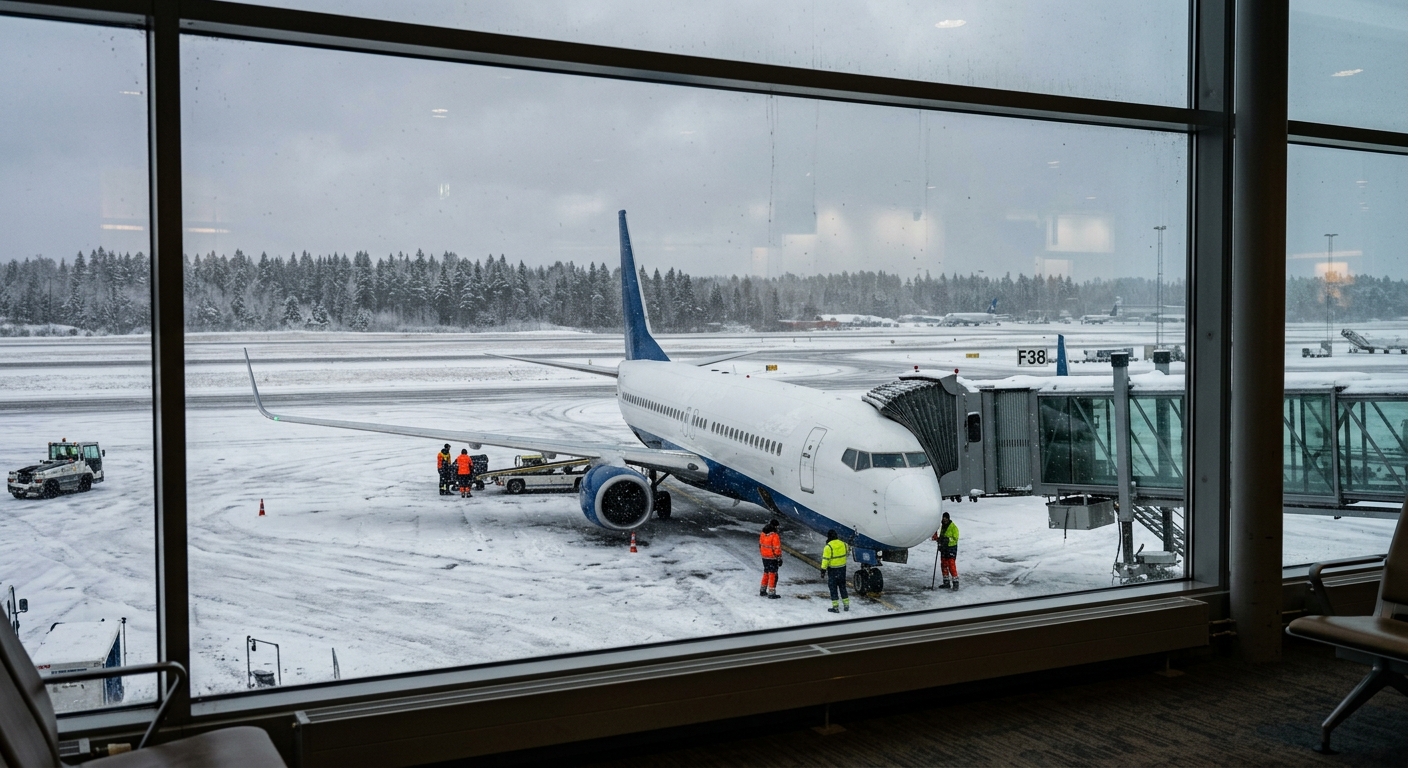
Life in the north doesn’t stop for feelings. Pipes freeze. Generators fail. The road’s long and dark, and sometimes you don’t see another soul for miles. But we keep moving. We have to.
And this show? It gets that. It doesn’t explain everything. It doesn’t rush. It just lets the quiet speak. The ache. The resilience.
Here’s what Season 2 gave me:
- 9 episodes that unfold like a northern winter—slow, stark, and strangely beautiful
- 3 unforgettable characters you’ll argue about over coffee
- 1 decision that’ll break your heart whether you want it to or not
- A hundred moments where no one says a word—but you know exactly what they mean
The Show Isn’t Set Here—but It Might As Well Be
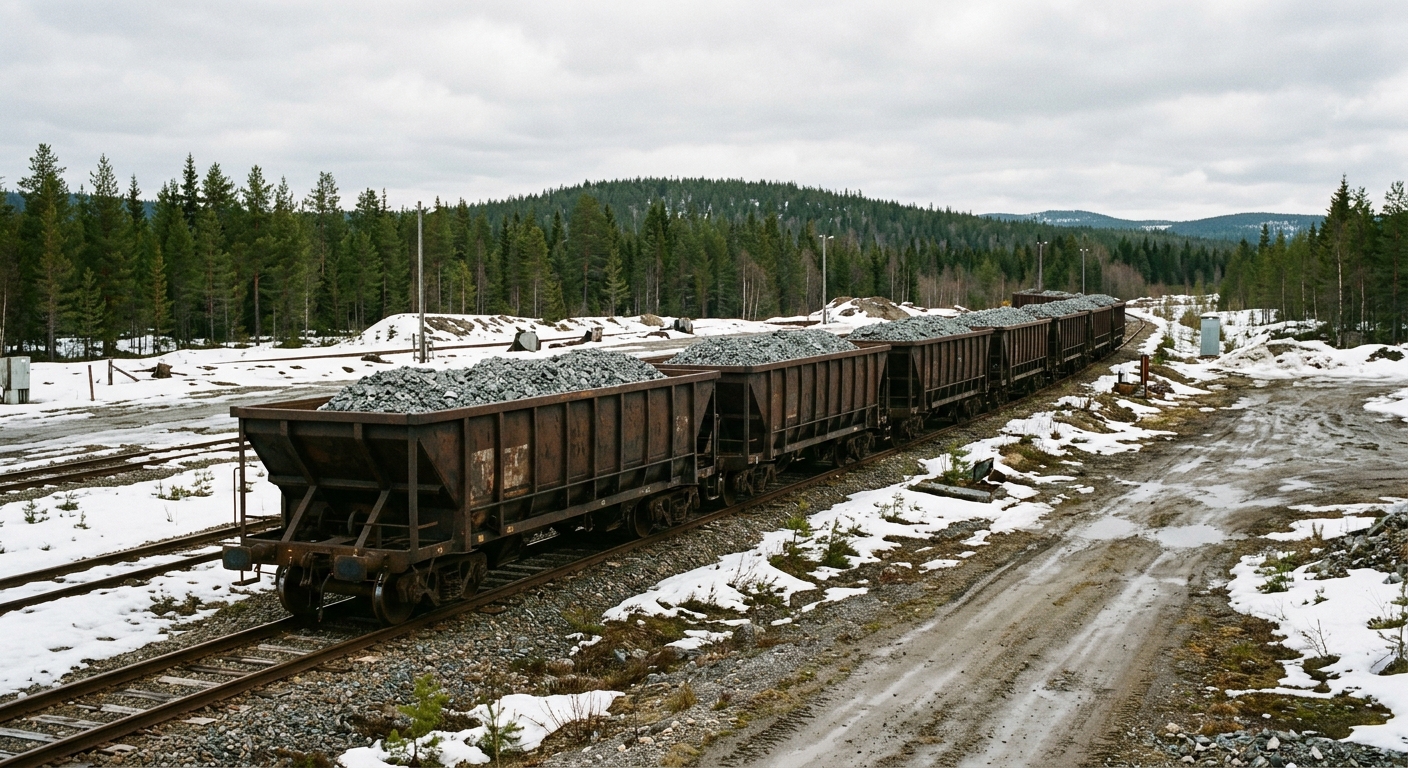
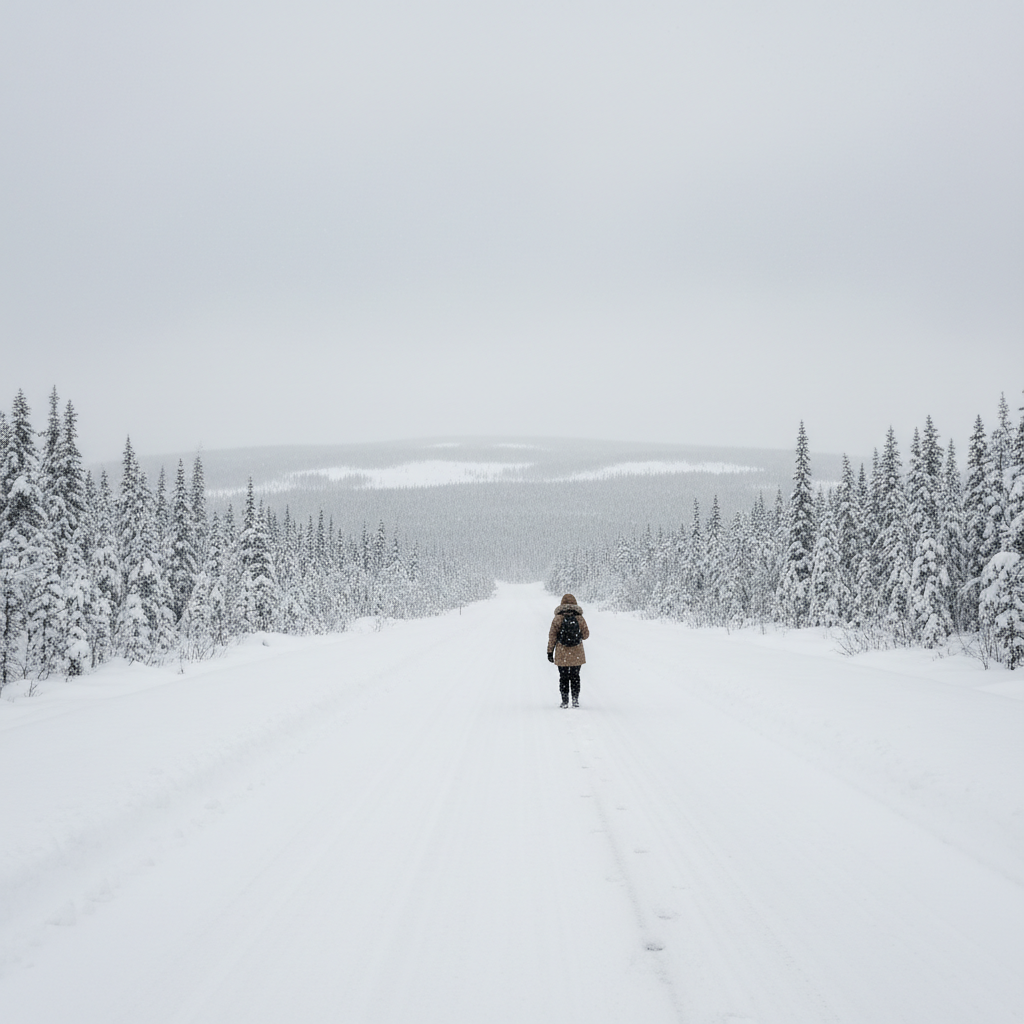
There were scenes that looked like home. Frozen rivers. Sunlight bouncing off snowbanks. Long, empty highways. You could almost feel the crunch of ice underfoot, hear the creak of cabin walls adjusting to the cold.
It’s not technically the north, but it feels like it. That loneliness. That hush. That haunting kind of beauty that only people who live with -40 mornings and weeks of darkness understand.
Forget the Monsters—The Real Pain Comes From the People
Look, yeah, the infected are there. Creepy, sure. But what sticks with you? The grief. The choices people make. The regrets they carry. The moments they could’ve said something—but didn’t.
That’s what broke me. And healed me, in a weird way.
We get that here. We know what it means to keep going anyway.
So, Should You Watch It?
Yes. But don’t throw it on while scrolling your phone. Watch it when the northern lights are low and the only sound outside is the wind. When you’ve got space to feel whatever it brings up.
Because The Last of Us Season 2 doesn’t just tell a story. It holds a mirror to all the parts of us we’ve tucked away. And up here in Northern Canada, where silence isn’t empty and survival is personal, it feels like it’s been waiting for us all along.