- calendar_today August 16, 2025
Crypto Regulation in Northern Canada (2025): Key Shifts
Northern Canada’s cryptocurrency sector is evolving under new 2025 regulations designed for the Arctic’s unique context. Territorial governments in Yukon, Northwest Territories, and Nunavut are implementing frameworks that balance innovation with consumer protection while accounting for remote communities and Indigenous economic development.
Unlike southern provinces, northern securities regulators have adopted extended compliance timelines, recognizing implementation challenges. The Yukon Securities Office recently confirmed existing securities laws apply to crypto assets while providing additional guidance for remote businesses. Outreach sessions in Whitehorse, Yellowknife, and Iqaluit help local operators understand evolving requirements under these adapted frameworks.
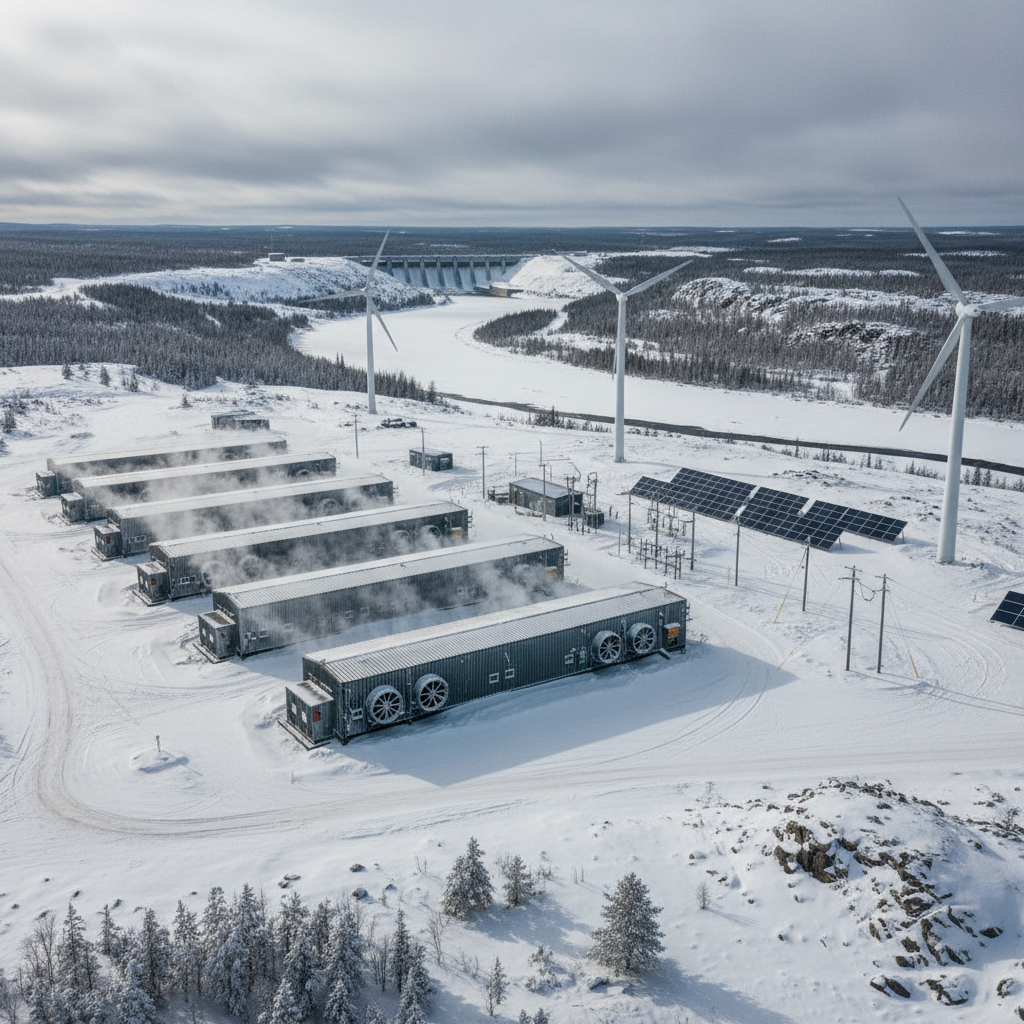
Northern cryptocurrency mining operations, drawn by cold climates and renewable energy potential, now navigate updated territorial regulations. Yukon has implemented energy usage reporting requirements, while the Northwest Territories mandates community impact assessments for new mining projects. Nunavut has introduced noise and land use restrictions affecting mining facility locations.
A Dawson City operation became Yukon’s first certified mining facility under the new guidelines in March 2025. Territorial officials report working closely with mining companies to ensure compliance while maintaining the sector’s economic benefits for northern communities.
Indigenous Projects Seek Guidance
Several Indigenous communities exploring blockchain applications for land claims management and impact benefit agreements have requested territorial regulatory clarity. The Nunavut Securities Office is developing culturally appropriate educational materials, including resources in Inuktitut, to explain cryptocurrency regulations and compliance requirements.
These initiatives aim to support Indigenous economic self-determination while ensuring adequate consumer protections. Northern regulators emphasize the importance of community consultation when developing policies affecting Indigenous cryptocurrency projects and financial services.
Remote Communities Face Challenges
Northern Canada’s regulatory implementation faces distinct obstacles not present in southern jurisdictions. Limited traditional banking infrastructure increases reliance on cryptocurrency in some communities, while high internet costs complicate compliance monitoring and reporting. The shortage of local legal experts specializing in cryptocurrency law creates additional hurdles for businesses and regulators alike.
The Northwest Territories recently allocated funding to improve digital asset financial literacy in small communities. This initiative includes training local facilitators who can explain cryptocurrency concepts and risks in culturally relevant ways.
Stablecoin Rules Adapted North
While federal stablecoin regulations will apply across Canada, territorial officials are developing northern-specific implementation approaches. These may include extended compliance timelines for remote businesses and special provisions for Indigenous financial institutions operating in the territories.
A Yellowknife-based credit union has launched a pilot stablecoin education program tailored to northern business needs. The initiative helps merchants and service providers understand how to use regulated stablecoins while maintaining compliance with territorial and federal requirements.
Protecting Northern Investors
Regulators are implementing safeguards designed for Arctic communities, including enhanced fraud monitoring for vulnerable populations and community liaison officers stationed in regional centers. Multilingual resources, including materials in Indigenous languages, help ensure all northern residents can access information about cryptocurrency risks and regulations.
These measures complement existing investor protections while addressing northern Canada’s unique demographic and geographic realities. Territorial securities offices report collaborating closely with local organizations to deliver financial education through trusted community channels.
Future Regulatory Developments
As 2025 progresses, northern territories will finalize cryptocurrency mining regulations and develop Indigenous-focused guidance for blockchain projects. Improving remote community access to compliant digital asset services remains a priority, with territorial governments exploring technological solutions to connectivity challenges.
The coming months will test these adapted regulatory approaches as Northern Canada seeks to participate meaningfully in the digital asset economy. Territorial governments aim to create frameworks that support innovation while protecting northern residents and respecting Indigenous economic priorities. The success of these efforts may provide models for other remote regions navigating cryptocurrency regulation.
Northern Canada’s distinct environment presents both challenges and opportunities for cryptocurrency integration. By developing regulations that account for Arctic realities while maintaining alignment with national standards, the territories could establish themselves as thoughtful participants in Canada’s evolving digital asset landscape. The focus remains on creating frameworks that serve northern communities without compromising consumer protections or economic development goals.