- calendar_today August 14, 2025
Northern Canada’s real estate landscape in 2025 presents a unique mix of opportunity and challenge. As interest rates stabilize nationally, investors in the territories—Yukon, Northwest Territories, and Nunavut—are taking a strategic look at long-term potential tied to population needs, resource industries, and government-backed development.
With harsh climates, remote geographies, and infrastructure hurdles, Northern Canada isn’t typically top of mind for mainstream investors. But within the right sectors and communities, demand is growing steadily. Investors are focusing less on quick returns and more on sustainable, location-sensitive opportunities aligned with regional demographics and long-term government planning.
So what real estate types are showing strength across the North? Seven asset classes are drawing renewed interest, adapting to the realities of northern development and demographic change.
Multifamily Housing: A Practical Necessity
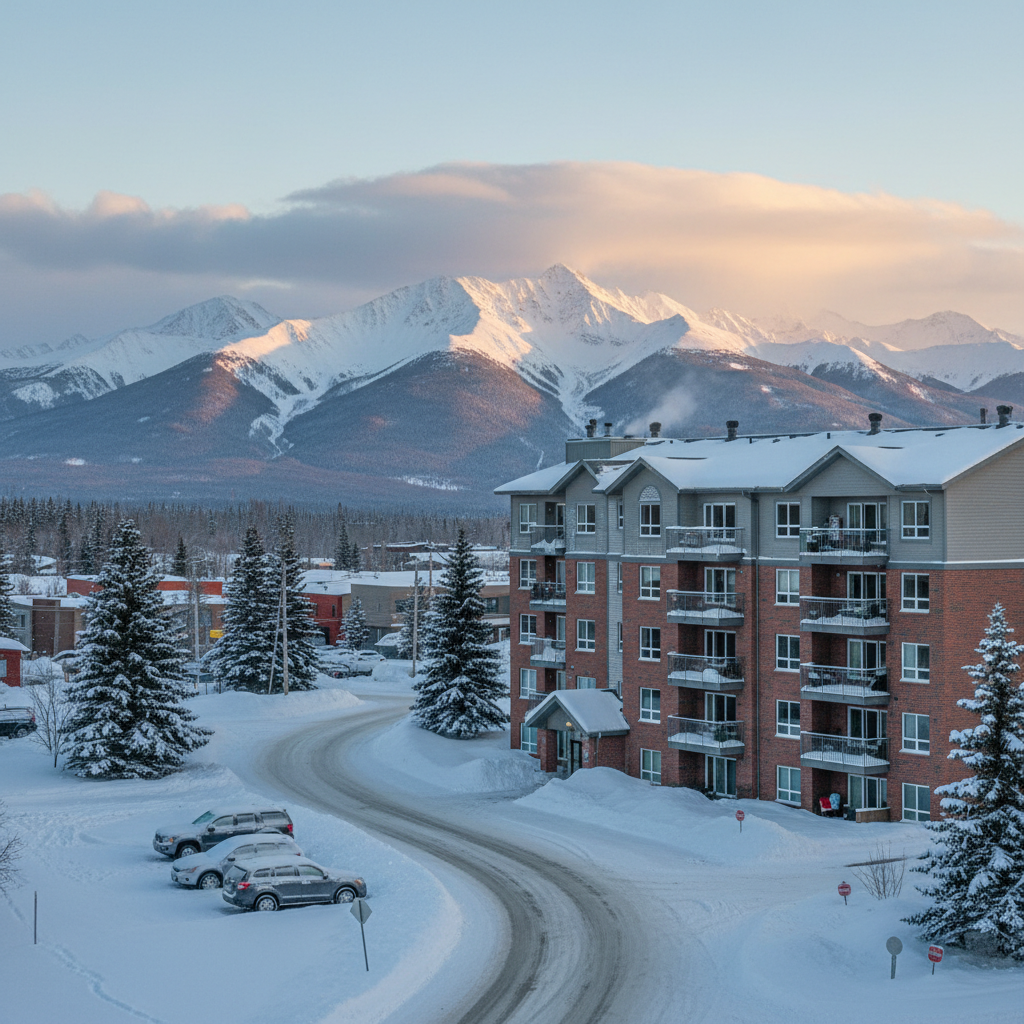
Multifamily properties are crucial across Northern Canada’s population centers such as Whitehorse, Yellowknife, and Iqaluit. The ongoing housing shortage, coupled with a rise in regional population due to government staffing, infrastructure work, and resource projects, has intensified demand for quality rental units.
Older housing stock and limited new development make mid-rise apartments especially attractive. In Whitehorse, for example, vacancy rates have stayed below 2.5% according to regional housing boards, and rental growth continues at 4–5% annually. Developers focusing on energy-efficient designs and culturally sensitive planning are finding reliable tenants and long-term viability.
Industrial Properties: Resource-Driven Demand
While Northern Canada doesn’t boast large-scale logistics hubs, industrial real estate remains essential—especially near mining operations, transportation corridors, and energy projects. From warehouse facilities in Hay River to support structures around Nunavut’s coastal supply points, demand for functional industrial space is strong.
Investors targeting northern industrial assets are aligning with major infrastructure and energy programs, including hydroelectric and mineral exploration initiatives. With limited land availability and climate-driven construction challenges, industrial buildings that are modern, insulated, and purpose-built are seeing increased interest from both public and private sector tenants.
Single-Family Rentals in Government and Resource Hubs
Single-family rentals (SFRs) in Northern Canada are often in short supply but high demand. In cities like Yellowknife and Whitehorse, many public sector employees and workers from fly-in/fly-out operations prefer the comfort and privacy of detached homes with flexible lease terms.
These homes often command above-average rents due to housing scarcity. According to CMHC data, Northern capital cities have among the highest rental rates per square foot in Canada. For investors, the challenge lies in upfront development costs and logistics—but the reward is stable occupancy and low vacancy in areas with consistent government presence and essential service demand.
Migration & Growth: Regional Development, Not Urban Flight
While Canada’s southern provinces see migration between cities and suburbs, Northern Canada’s movement is often tied to policy shifts, Indigenous self-governance, and economic development zones. Federal and territorial infrastructure spending—especially on healthcare, education, and broadband—continues to drive population growth in regional centers.
Communities such as Inuvik, Rankin Inlet, and Dawson City are benefiting from targeted economic activity. Investors following these development corridors are aligning with long-term population growth, particularly in areas with improving services and access.
Mixed-Use Developments in Growing Towns
Though less common than in urban centers, mixed-use projects are gaining traction in Northern towns. Developments that combine housing, retail, and community services—particularly in Whitehorse and Yellowknife—are attracting attention from developers looking to maximize land use while serving growing populations.
Municipal governments are increasingly supportive of these designs, which bring walkability and centralized services to communities often reliant on cars or long commutes. The success of these developments depends on community engagement, adaptability to climate, and careful project phasing to manage upfront costs.
Niche Assets on the Rise: Senior & Student Housing
Senior housing in the North is a growing priority as life expectancy increases and residents seek care options closer to home. Yukon and NWT have expanded support for independent and assisted living facilities, and private developers are beginning to fill the gaps. Projects in Whitehorse and Fort Smith have seen strong early interest.
Student housing is also quietly rising in demand, with institutions like Yukon University and Aurora College attracting students from across the territories and beyond. Purpose-built accommodations with reliable internet, shared amenities, and winter-resilient construction offer growth potential in niche markets.
Risk Factors and Investment Cautions
Real estate investment in Northern Canada carries unique risks. Construction costs are significantly higher due to remote access, labor shortages, and limited material availability. Insurance premiums are rising in areas vulnerable to permafrost shifts, extreme cold, or wildfires.
Land use regulations, particularly in areas governed by Indigenous self-government agreements, require respectful engagement and often complex approvals. However, partnerships with First Nations and Inuit communities can lead to sustainable, mutually beneficial developments when done collaboratively.
Interest rates, while steadying, still pose financing challenges in smaller markets. Developers and investors must adopt long timelines and flexible underwriting assumptions to succeed in the North.
Expert Insight: What the Analysts Say
“Real estate in Northern Canada is about aligning with long-term needs, not short-term speculation,” says Lauren Bellingham, a senior economist with CBRE. “Sectors like government housing, industrial support, and community-centered projects are where we see stability.”
Redfin’s 2025 Housing Trends report reinforces this idea, noting that the territories are driven by policy, infrastructure, and essential service expansion rather than traditional market cycles. The report emphasizes the importance of localized partnerships and demographic awareness in navigating northern markets.
Strategic Diversification is Key in 2025
The smartest investors in Northern Canada are focusing on sustainable, service-driven assets across a few key locations. Multifamily remains a necessary backbone. Industrial real estate supports core industries. SFRs are popular among professionals and public workers. Mixed-use and niche housing types—including senior and student living—are gaining strength where demand aligns with infrastructure and funding.
Precision, patience, and respect for regional context are essential for success. With tailored strategies and long-term vision, Northern Canada’s real estate sector offers resilient opportunities in an often-overlooked corner of the national market.