- calendar_today August 13, 2025
In 2025, the commercial real estate (CRE) sector in Northern Canada—spanning Yukon, Northwest Territories (NWT), and Nunavut—is undergoing a slow but significant transformation. While the region is geographically vast and sparsely populated, its resource-driven economy, indigenous partnerships, and increasing federal investment in infrastructure have opened new possibilities for CRE investors.
Unlike the urban hubs in southern provinces, Northern Canada’s market is shaped by climate conditions, transportation limitations, and fluctuating economic activity linked to mining, energy, and public sector funding. Still, a cautiously optimistic recovery is underway following the stagnation during the pandemic years.
Key Drivers of CRE Activity
Commercial real estate activity in Canada’s northern territories is closely tied to a handful of strategic economic drivers. Unlike larger urban markets, CRE demand here is largely fueled by resource extraction, essential public infrastructure, and specialized sectors such as tourism and indigenous enterprise. These foundational industries not only anchor local economies but also shape the unique characteristics and opportunities within northern commercial real estate in 2025.
1. Mining and Resource Extraction
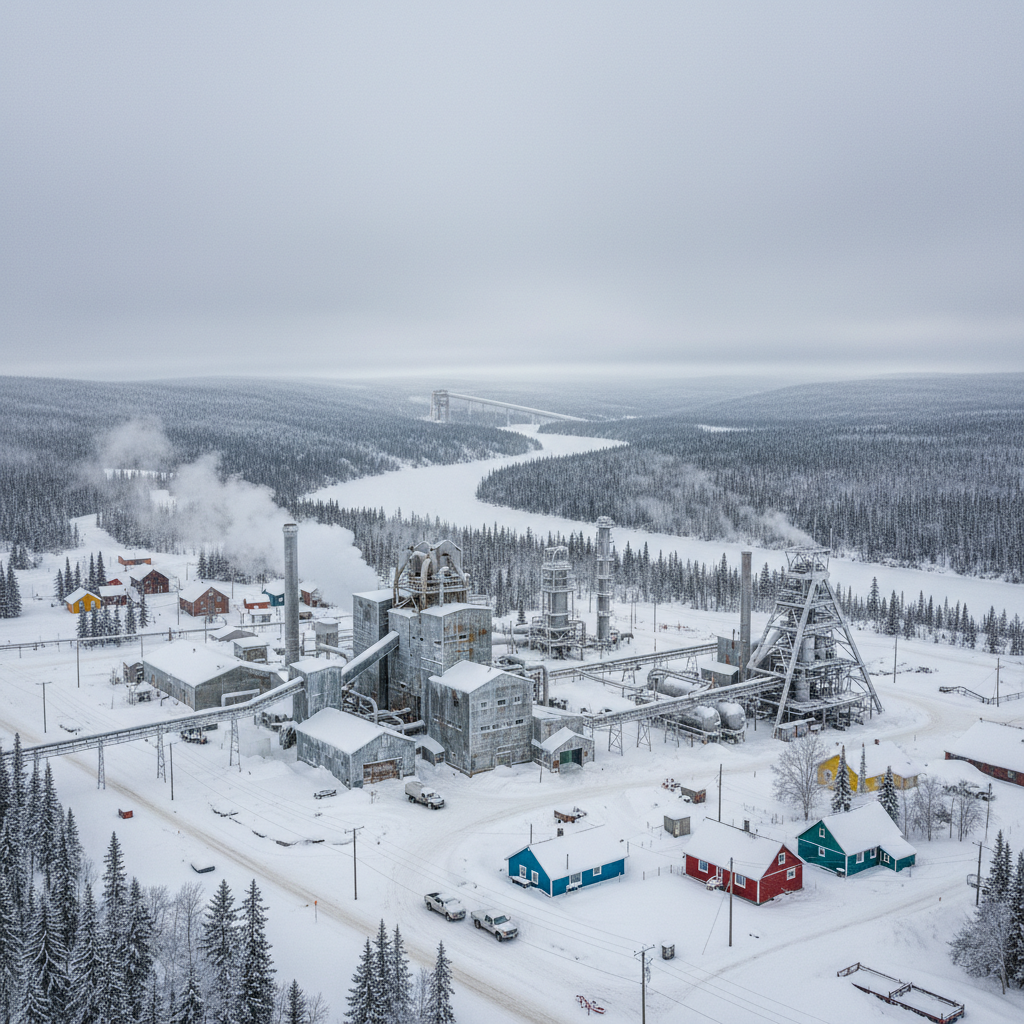
Mining continues to dominate the economic narrative in the North. New exploration projects in Nunavut and the Yukon—particularly for gold, zinc, and rare earth minerals—have increased demand for industrial and logistical properties. Warehouse space, equipment storage, and proximity to mining roads are driving new developments in remote areas.
In 2025, the Yukon’s mineral exploration sector is expected to exceed $150 million, buoyed by government incentives and global demand for metals. This has made service-related commercial properties in towns like Whitehorse more attractive for investors.
2. Public Infrastructure Investment
The Canadian federal government has prioritized the North in its 2025 Infrastructure Strategy. Major projects include the Iqaluit Deep Sea Port, improvements to the Dempster Highway, and broadband expansion across remote regions. These initiatives create indirect demand for commercial spaces—government offices, retail outlets, and construction logistics hubs.
In Inuvik, NWT, the Canada Infrastructure Bank’s involvement in modular housing and healthcare facilities has pushed demand for mixed-use and light industrial developments.
3. Tourism Rebound and Hospitality Real Estate
With eased travel restrictions and renewed interest in Arctic tourism, the hospitality sector is seeing a modest recovery. Cruise lines and eco-tour operators are returning to communities like Pond Inlet and Dawson City, spurring interest in boutique hotels and seasonal lodging. The demand, while niche, is strong in peak months and may lead to more public-private collaboration in hospitality-focused development.
Regional Breakdown: Yukon, NWT, and Nunavut
The northern territories of Canada—Yukon, Northwest Territories, and Nunavut—present a distinct commercial real estate environment shaped by vast geography, sparse populations, and harsh climatic conditions. Economic activity centers largely around government services, natural resource development, and indigenous-led initiatives. While these regions face challenges such as limited infrastructure and high construction costs, targeted investments and community-driven projects are fostering gradual CRE growth in key urban hubs. Understanding each territory’s unique dynamics is essential for investors and developers looking to engage with these emerging northern markets.
Yukon
Whitehorse remains the epicenter of CRE activity in the Yukon, accounting for over 70% of regional transactions. The city is seeing increased development in government service buildings, healthcare facilities, and mixed-use retail spaces. Land availability remains constrained, leading to higher interest in retrofitting older properties.
Northwest Territories
In Yellowknife and Inuvik, industrial real estate tied to logistics and energy remains the most active segment. Office leasing has stabilized post-pandemic, driven largely by government and indigenous organizations. Energy retrofit initiatives are helping reduce the operational costs of aging commercial structures, making them more attractive to small business owners.
Nunavut
CRE in Nunavut remains limited due to extreme remoteness and building challenges. However, Iqaluit is benefiting from strategic infrastructure investments such as the deep-sea port and hospital upgrades. Most commercial developments in 2025 are either government-led or involve indigenous development corporations focused on community needs.
Challenges Facing CRE Recovery
While urban hubs like Fargo and Sioux Falls enjoy modern infrastructure, many rural and small-town areas across the Dakotas still face digital connectivity issues. Limited broadband access and outdated utilities can deter technology-reliant businesses from entering the market. This digital divide not only restricts tenant types but also adds cost to property upgrades, making commercial development less viable in underserved areas.
- Logistics and Transport: High construction and supply chain costs due to limited transport routes remain a major bottleneck.
- Climate Adaptability: Harsh weather conditions increase the cost of construction and maintenance, making property development riskier.
- Population Density: Sparse populations mean lower consumer demand, restricting large-scale commercial investments.
- Financing Gaps: Conventional CRE lenders remain wary of Northern projects, often requiring public-private partnerships or government backing.
Indigenous Partnerships and Sustainable Growth
A noteworthy trend in 2025 is the growth of Indigenous-led development corporations actively shaping the commercial landscape. These groups bring deep knowledge of the land, local partnerships, and long-term vision to CRE projects, particularly in renewable energy, healthcare, and education.
Examples include the Gwich’in Development Corporation and the Nunavut Tunngavik Inc., which are increasingly collaborating on sustainable housing and mixed-use property initiatives.
Outlook for Investors in 2025 and Beyond
The commercial real estate outlook in Northern Canada for 2025 is cautiously optimistic. While challenges persist, especially in logistics and financing, the rise of mining, infrastructure investment, and Indigenous development initiatives presents strategic opportunities.
Long-term investors willing to engage in regional partnerships and adapt to environmental and cultural dynamics may find Northern Canada an untapped, high-potential frontier. As climate change also makes certain routes and resources more accessible, the North may see an unprecedented wave of sustainable development in the coming decade.