- calendar_today August 8, 2025
Northern Canada—including Yukon, Northwest Territories, and Nunavut—operates under distinct real estate conditions shaped by geography, culture, and sovereignty. Housing is often custom-built, climate-adapted, and significantly influenced by Indigenous land policies. While volume of transactions is lower than in southern provinces, each sale represents complex local dynamics. In 2025, market movement will be modest but meaningful—driven largely by government projects, resource-sector activity, and community-level demand rather than speculation.
Infrastructure investment is key to housing development in the North. Government and resource-sector initiatives are improving transportation corridors, energy access, and broadband connectivity—especially in regional hubs like Whitehorse, Iqaluit, and Yellowknife. These improvements are enabling modest new construction and refurbishment of aging housing stock. With better access comes greater demand from seasonal workers, healthcare professionals, and long-term residents. As a result, resale pricing in these communities is expected to firm up slightly in 2025, though affordability remains tied to public-sector and stabilization incomes.
Housing Supply Remains Seasonal and Specialized
Unlike southern markets, housing supply in the North is highly dependent on seasonal construction windows and availability of materials. Builders work during limited warm months, delaying many project timelines. In 2025, supply remains tight, with low vacancy across most communities. Even newly completed units are quickly claimed by local applicants or relocated workers. Demand is highest for family-sized units in towns tied to regional administration, mining operations, or health services. This supply-demand imbalance keeps turnover low but elevates the value of functional, ready-to-occupy properties.
Migration Patterns Driven by Work and Cultural Ties
Population shifts within Northern Canada focus more on local mobility than large-scale inward migration. In 2025, many residents are moving between communities for education, healthcare, and employment—especially in regulated sectors such as maritime services, healthcare, and mining. Retention of young adults remains a challenge in smaller settlements, while hubs like Yellowknife and Whitehorse continue to attract professionals. Cultural connections and local governance structures greatly influence where people live and compete for limited housing, reinforcing tight local markets with limited downward price flexibility.
Affordability Framed Through Subsidy and Rent Assistance
In Northern Canada, affordability measures are closely connected to government subsidy programs and rent assistance initiatives. Many households receive housing and energy support tied to cost-of-living in remote zones. As prices gradually rise in select markets, these programs play a critical role in maintaining equity. In 2025, any increase in housing costs has a direct human impact, as approximately half of households in remote communities rely on subsidy frameworks or employer-provided housing.
Design Priorities Center on Resilience and Practicality
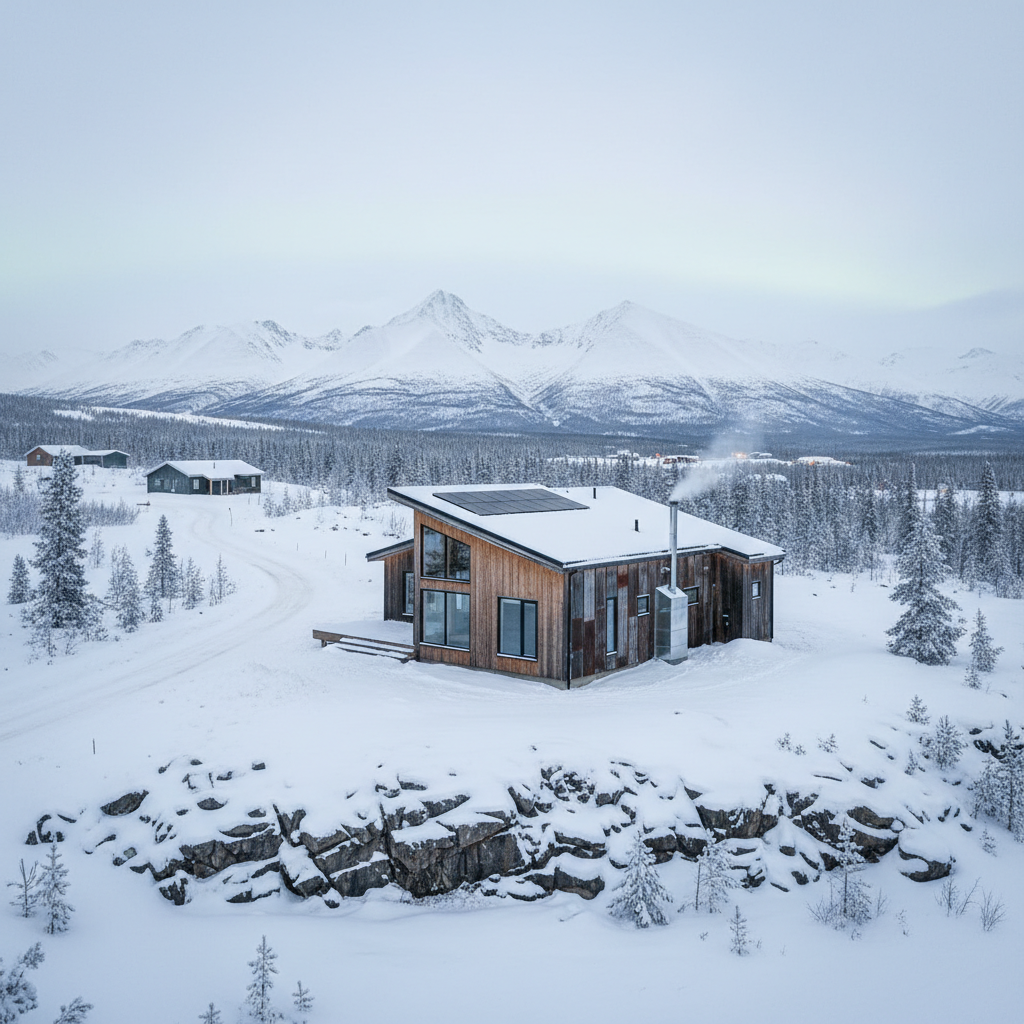
New builds and renovations across the North in 2025 prioritize energy efficiency, storm resiliency, and climate preparedness. Buyers seek homes with heat recovery ventilation systems, triple-glazed windows, elevated foundations, and geothermal or solar integration where feasible. Developers and government agencies increasingly certify builds according to high insulation standards, recognizing both cost savings and environmental necessity. For sellers, homes with these upgrades command higher interest and move faster in scarce inventory settings.
Rental Market Grounded in Workforce Housing
Rental demand in Northern Canada is generally tied to government or corporate workforce housing—for teachers, nurses, technicians, and public servants. Turnover is seasonal and dependent on contract durations. Vacancy rates are typically low throughout the year. In 2025, some communities will pilot cooperative rental models for long-term residents, aiming to reduce reliance on temporary workforce housing. As a result, purpose-built rental units and shared-housing structures are emerging—not for speculative investors but as locally governed housing solutions.
Indigenous Housing Development Advances Local Ownership
A defining trend in Northern Canada is the growth of Indigenous-led housing initiatives. In 2025, First Nations and Inuit governments continue to develop community housing projects that respect cultural norms, land rights, and communal living structures. These developments often blend modern energy-efficient design with traditional community planning. Developer agreements are increasingly structured to prioritize local ownership and management, adding a social sustainability dimension to real estate growth.
Remote Work Is Creating Micro-Demand Niches
Although digital infrastructure remains limited, remote work opportunities—particularly in research, environmental monitoring, and creative industries—are drawing niche groups into Northern communities. In select towns with improved connectivity, telecommuters are purchasing retrofit-ready homes. These micro-demands often revolve around lakeside or mountain access, blending lifestyle with professional flexibility. While volumes remain small, these buyers underscore a shifting narrative: that Northern living can blend remote productivity with natural serenity.
Investment Remains Conservative and Purpose-Driven
Investment activity in Northern Canada remains minimal and highly cautious. Appreciation potential is secondary to functionality. Institutional buyers are scarce. Instead, interest centers on workforce and community housing projects supported by public funding. Individual buyers often prioritize sustainable homeownership over speculative gain. Smart investment in cooperative models or energy-efficient infill housing is slowly growing. In 2025, investors seeking yield will focus on project-based partnerships promoting long-term residency and community resilience.