- calendar_today September 3, 2025
Northern Canada may seem distant from Frankfurt’s financial district, but in 2025, the economic ties between the two are more meaningful than ever. Germany’s DAX 40 Index—representing the 40 largest publicly listed companies in Europe’s industrial powerhouse—serves as a bellwether for global demand in sectors that are essential to Northern Canada’s economy.
The North’s strengths in mining, energy, infrastructure, and Indigenous-owned enterprises increasingly intersect with global shifts in clean technology, rare earth demand, and international investment. For governments, businesses, and individuals across Yukon, Northwest Territories, and Nunavut, tracking the DAX is becoming a strategic financial consideration.
Mining and Metals: Global Demand Starts in Germany
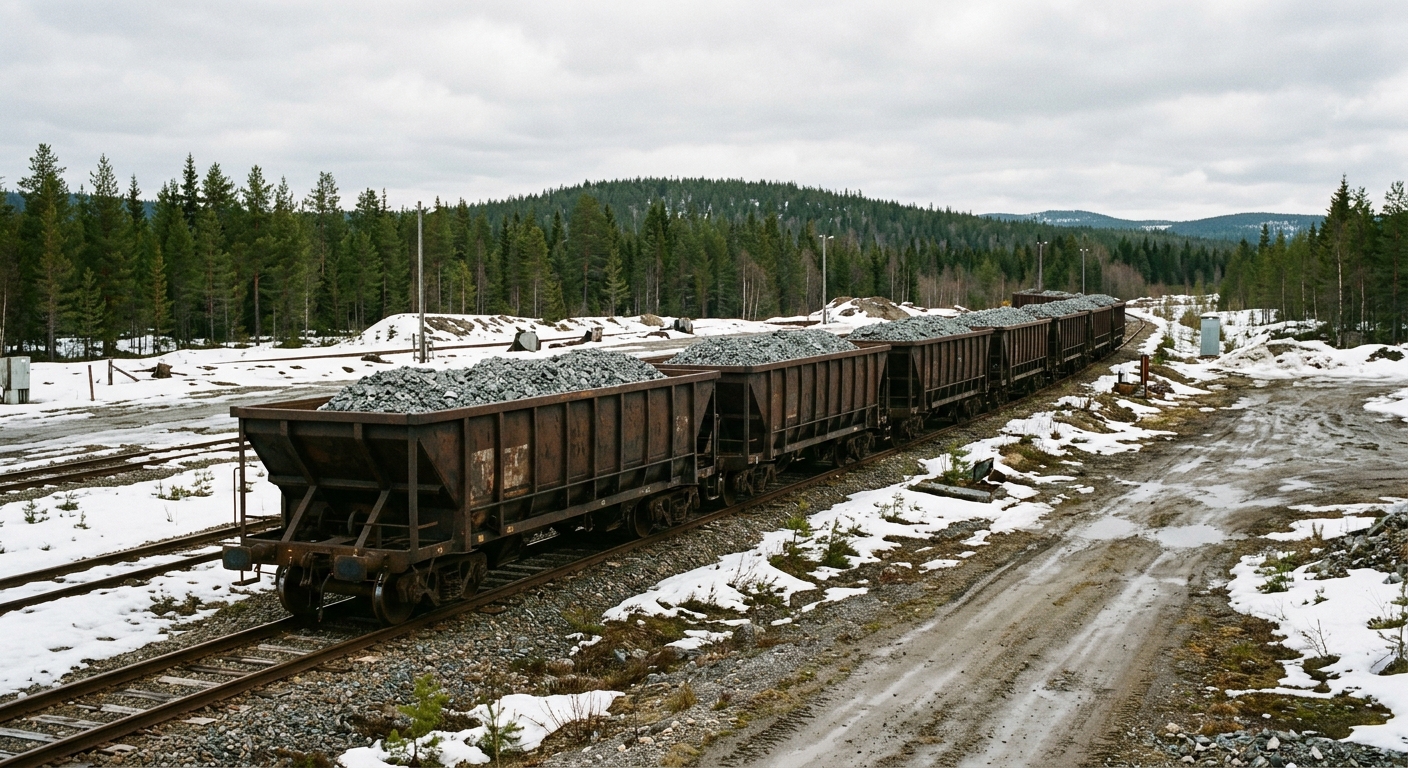
Northern Canada is home to significant deposits of gold, diamonds, rare earth elements, and critical minerals such as zinc and tungsten. Germany, facing supply chain risks and moving toward green manufacturing, is ramping up imports of critical minerals from politically stable partners like Canada.
DAX-listed companies such as BASF and Siemens are central players in Europe’s electric vehicle and clean tech buildout. Their procurement decisions influence which materials see price spikes or long-term investment.
In 2025, rising German demand for battery-grade lithium or rare earths could drive exploration partnerships and new export contracts in Yukon and NWT. The DAX, as a forward-looking market indicator, offers clues on these demand trends well before contracts are signed.
Infrastructure and Arctic Access: The Global North Emerges
With the Arctic becoming more navigable due to climate change, Germany and the EU have increased interest in new shipping lanes, environmental research, and data infrastructure in the North.
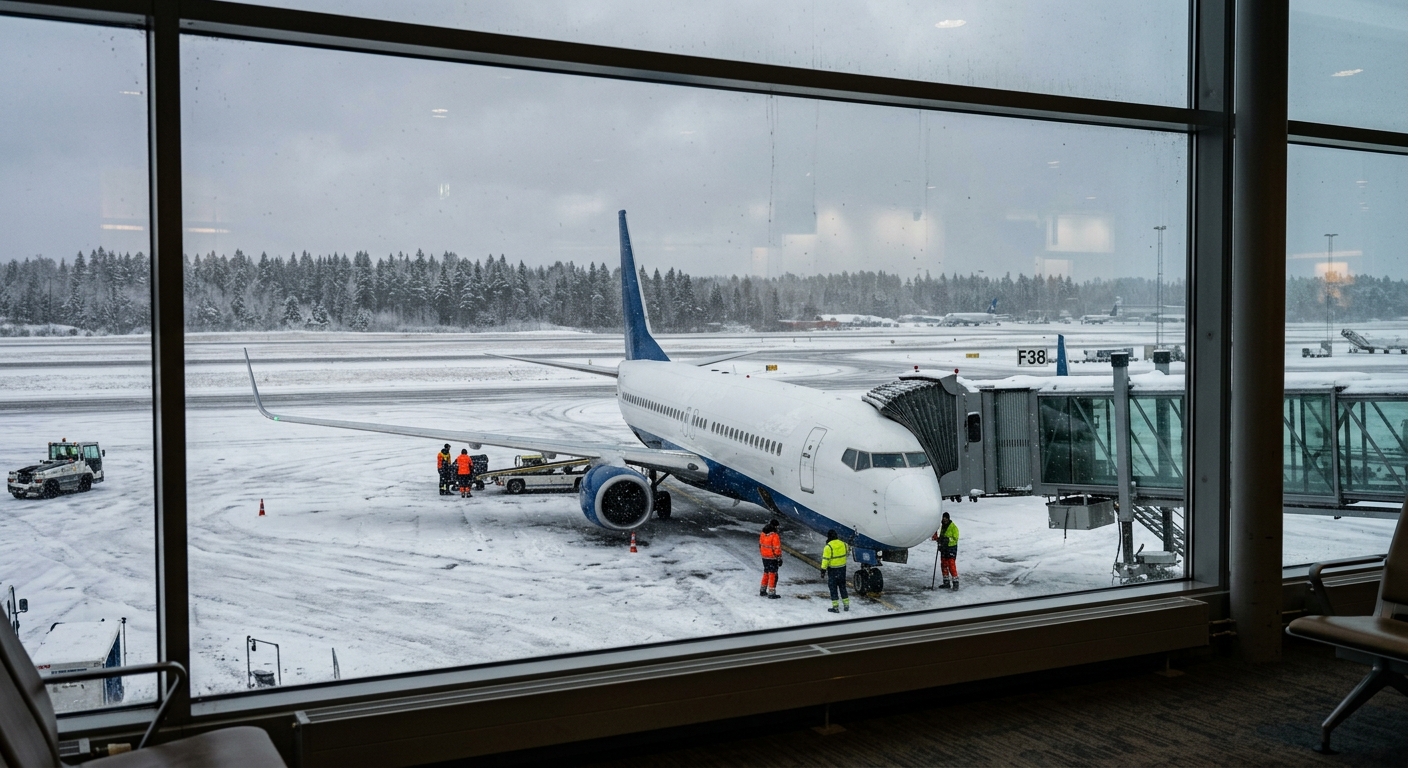
DAX companies like Deutsche Telekom and Infineon Technologies are involved in global communications infrastructure, which includes remote sensing, satellites, and Arctic telecommunications. Meanwhile, construction and engineering firms tied to the index have expressed interest in logistics hubs, airport upgrades, and energy grids in remote areas.
For Indigenous governments and territorial agencies pursuing infrastructure funding and investment, the DAX provides signals about which global firms are expanding their footprint in northern logistics and engineering.
Clean Energy: Northern Canada’s Role in the Global Transition
Germany’s aggressive clean energy transition includes reduced reliance on Russian natural gas and expanded investment in hydrogen, wind, and grid modernization. DAX firms such as RWE, Siemens Energy, and E.ON are on the front lines of this shift.
For Northern Canada, which is actively seeking alternatives to diesel in off-grid communities, these developments matter. Green hydrogen pilot programs in Yukon and Nunavut are already underway, and German firms have shown interest in Arctic renewable projects.
Tracking the DAX allows community energy planners and public utilities to anticipate where funding, partnerships, or technology transfer opportunities may emerge from Europe’s energy industry.
Indigenous Investment Funds and Global Markets
Several Indigenous communities across the North operate investment arms that manage revenues from resource royalties and development partnerships. In 2025, more of these funds are seeking diversification through global equities—especially in sustainable industries.
The DAX offers a relatively stable and ESG-conscious set of companies in sectors such as pharmaceuticals, automation, and renewable energy. Investing in DAX-linked ETFs or international mutual funds provides a way for Northern portfolios to grow while managing exposure to local economic cycles and resource volatility.
In fact, some Indigenous trusts are beginning to view international indices like the DAX as strategic complements to traditional holdings in Canadian real estate and energy stocks.
Climate Science, Policy, and Germany’s Environmental Influence
Germany is a global leader in climate policy, and its environmental standards influence everything from international mining regulations to emissions targets and biodiversity benchmarks.
DAX firms like Bayer (agri-science) and SAP (data infrastructure) are deeply involved in ESG frameworks and corporate accountability, which increasingly affect mining, forestry, and transportation standards in Canada’s North.
By watching how these companies perform and adjust their business models, Northern regulators, Indigenous land stewards, and environmental researchers can better anticipate shifts in global standards that will eventually filter into northern permitting, impact assessments, and development timelines.
Trade, Shipping, and Geopolitical Alignments
The geopolitical landscape in 2025 is highly dynamic. Germany and the EU are looking for reliable partners for raw materials, Arctic passage, and scientific collaboration. The DAX responds quickly to these macro-level movements, reflecting business confidence and trade strategy shifts.
The growing strategic importance of the Northwest Passage and Canada’s Arctic sovereignty ambitions mean that international trade routes could pass closer to Northern Canada than ever before.
Port authorities in Churchill (Manitoba) and exploration firms in Nunavut are paying close attention to how Germany’s trade posture affects investment in northern ports, fuel storage, and cold-weather logistics.
How Northern Investors Can Gain DAX Exposure
Investors in Yellowknife, Iqaluit, and Whitehorse have growing access to European markets through Canadian brokerages. Here are some avenues:
- Global ETFs: Options like the iShares MSCI Germany ETF offer exposure to top DAX companies in a diversified format.
- International Mutual Funds: Major banks like RBC and TD offer European equity funds that include DAX constituents.
- Foreign Stocks and ADRs: For experienced investors, U.S.-listed ADRs such as SAP, Allianz, and Volkswagen are accessible through most Canadian trading platforms.
These tools allow both institutional investors and individuals in the North to participate in global market growth.
Frankfurt’s Relevance to the Canadian Arctic
Germany’s stock market may seem far removed from the mining towns, remote hamlets, and ice roads of the North—but in today’s interconnected economy, the DAX is increasingly relevant.
From global clean tech investments to raw material demand, from Arctic logistics to Indigenous-led investing, the economic pulse of Germany offers valuable foresight for Northern Canada.
In 2025, watching the DAX isn’t just about foreign markets—it’s about anticipating which sectors in the North are poised to thrive.