- calendar_today August 28, 2025
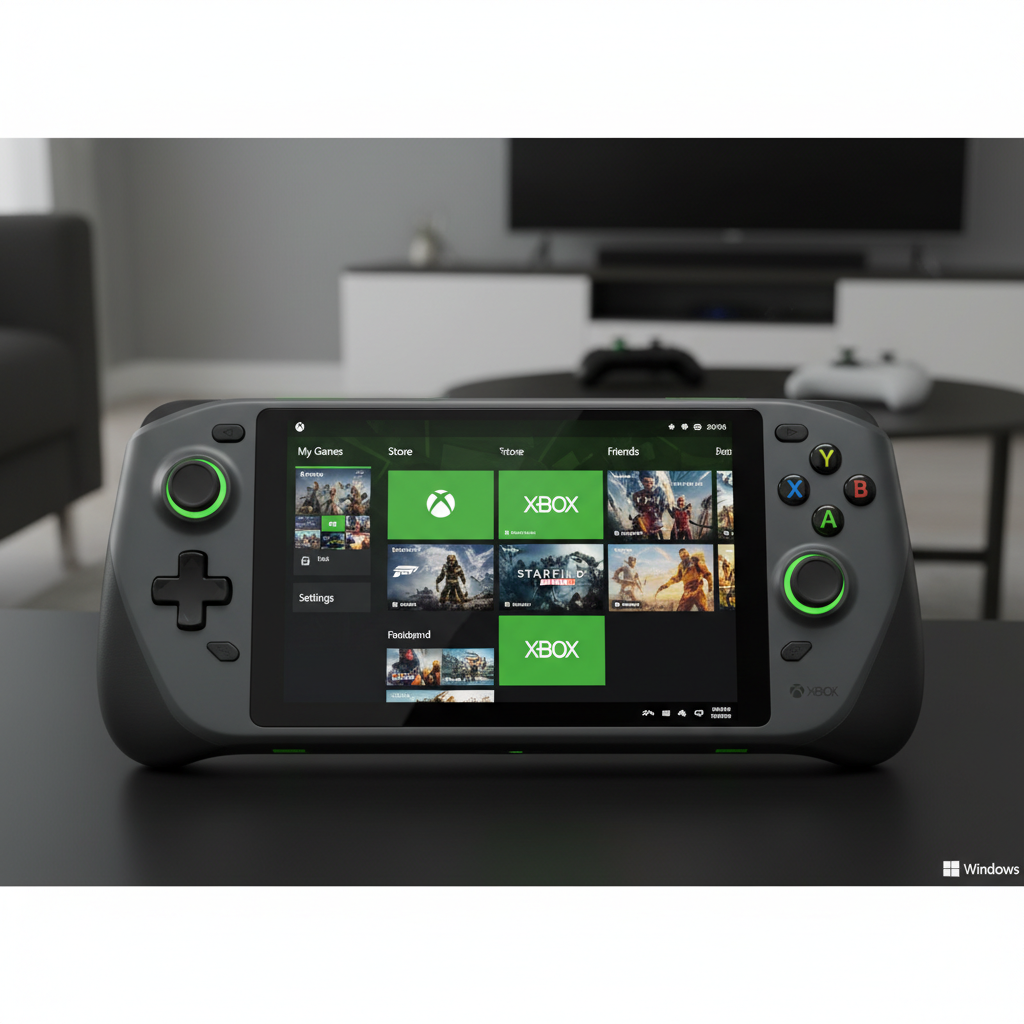
The handheld gaming arena will see new Microsoft presence through an Xbox-branded user interface purpose-built for Windows-based portable gaming devices. The new interface developed jointly by Microsoft and Asus will initially appear on the ROG Xbox Ally which is a special edition of the ROG Ally gaming handheld. Users will experience a full-screen, tile-based interface that replaces the traditional Windows desktop-and-taskbar setup to better suit touchscreens and game controllers for a streamlined console-like operation.
This action represents a direct reply to Valve’s Steam Deck triumph since it operates on SteamOS which is built on a Linux-based system. SteamOS enables gamers to play numerous Windows titles with Proton that functions as an improved compatibility layer. Proton utilizes the Wine project foundation to enable Windows games to function on Linux systems without needing a full Windows installation. SteamOS cannot run all titles and does not fully replace Windows yet it has attracted many gamers who desire a dedicated gaming system with minimal resource consumption.
Microsoft’s latest Xbox UI initiative intends to connect Windows extensive game support capabilities with straightforward console gaming interface design. ROG Xbox Ally will initially receive the new UI and other ROG Ally handhelds will follow shortly. Other Windows handhelds should gain access to this experience beginning next year. We aim to provide users with a gaming interface that fits compact devices yet keeps Windows’ extensive capabilities and adaptability.
Microsoft has spent considerable time developing a Windows mode optimized for handheld devices. Microsoft employees organized an internal hackathon in 2022 to work on improving Windows’ functionality on handheld devices. The team introduced “Windows Handheld Mode” which delivers improved touch interaction and controller support alongside enhanced visibility and usability. The new Xbox UI appears to share notable similarities with the prototype even though Microsoft hasn’t officially confirmed this connection.
The initiative prioritizes performance as its second major focus area. Microsoft explains that the new user interface replaces the traditional Windows design to improve RAM usage by saving several gigabytes and reduce energy consumption. Handheld devices benefit from these improvements because they enhance battery life and gameplay smoothness through increased efficiency. The original ROG Ally which functions as a traditional Windows handheld requires external software like Asus’ Armoury Crate to simulate console features leading to increased system overhead. The redesigned UI from Microsoft brings efficient functionality to users while eliminating unnecessary system overhead.
Users can access the complete Windows desktop environment but must initiate it through a manual launch. The hybrid method supplies gamers with the flexibility to switch between a basic interface designed for gaming and a complete desktop setup based on individual preference. It offers the best of both worlds: The system combines a streamlined gaming interface with the powerful capabilities of Windows when needed.
Microsoft entered the handheld gaming market at a crucial moment after being late because they prioritized artificial intelligence and cybersecurity for two years. The performance of Valve’s SteamOS and Proton keeps getting better while expanding to support not only the Steam Deck but also various gaming devices such as parts of Asus’ hardware. Linux received a significant yet moderate elevation in desktop market share which enabled it to exceed the 4% mark for the first time in the previous year.
Windows maintained its dominance over the PC market because most games and software functioned well with it. Through projects such as Proton and platforms like SteamOS the dominance of Windows in the market is starting to weaken. Users can play Windows games without needing to run the Windows operating system which will lessen Microsoft’s control over time. As these alternative platforms improve and Windows becomes more demanding of system resources, more users will likely choose to migrate.
Microsoft’s development of a specialized handheld interface demonstrates an effort to remain significant in gaming beyond just competing with Valve. Microsoft aims to maintain its market relevance because gamers now prioritize flexible performance options. The outcome of the Xbox UI development will influence whether Windows stays the preferred PC gaming platform for future years or if gamers seek improved handheld gaming experiences through different platforms.